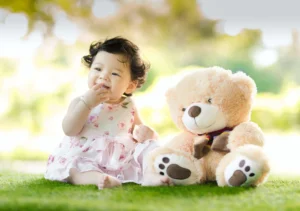


Custom plushies often carry higher price tags due to specialized materials, complex designs, and labor-intensive production processes. Understanding these cost drivers helps brands make smarter sourcing decisions.
The cost of custom plushie production depends on design complexity, material choice, minimum order quantities (MOQs), safety testing, and labor. Intricate designs require more time and skilled craftsmanship, while high-quality materials raise expenses. Safety certifications add testing costs, and small MOQs limit economies of scale. Balancing these factors ensures the best value for your investment.
Let’s explore the main reasons behind custom plushies’ higher costs in detail.
1. What Factors Influence The Cost Of Custom Plushie Production?
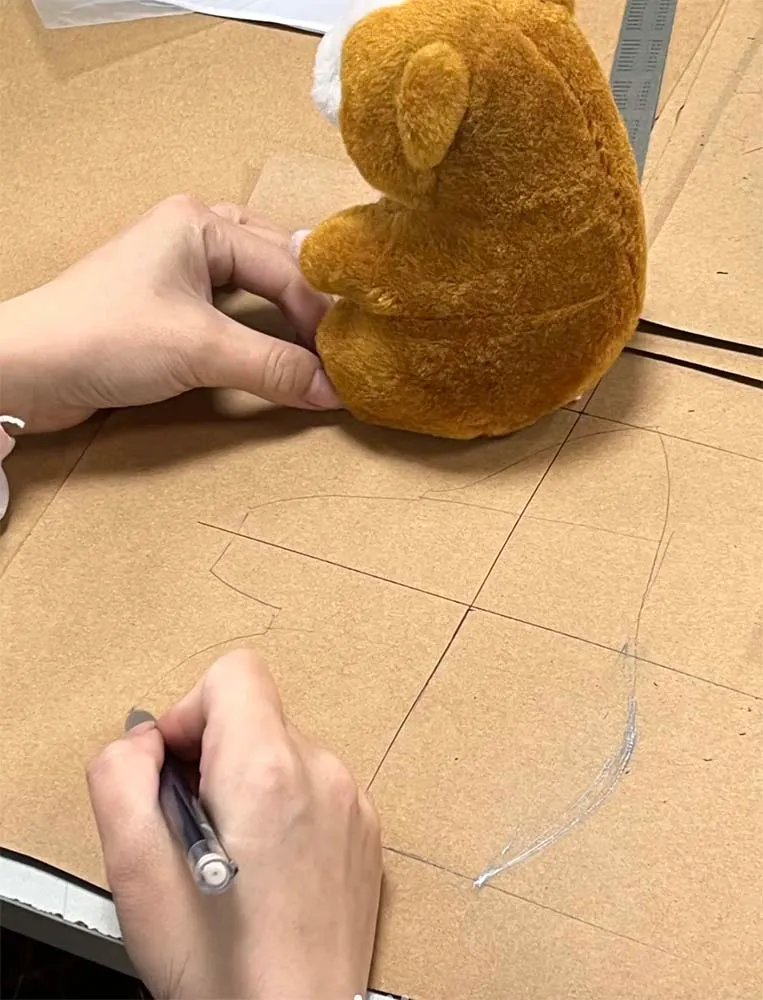
Several key elements affect custom plushie pricing:
- Design Complexity: More detailed shapes, embroidery, and attachments increase labor and tooling costs.
- Material Quality: Premium fabrics, stuffing, and accessories are pricier but enhance product value.
- Minimum Order Quantity (MOQ): Smaller orders reduce economies of scale, raising per-piece costs.
- Safety Testing & Certifications: Complying with standards requires additional lab tests and documentation.
- Labor Intensity: Skilled craftsmanship for custom features adds to production time and wages.
Each factor impacts your overall cost and product quality.
Design complexity, material quality, MOQs, safety certifications, and labor intensity all influence custom plushie costs.
Design complexity drives cost through prototype development, pattern making, and skilled sewing. Intricate designs may require specialized tools or manual embroidery, increasing setup and production time.
Materials vary from standard polyester to high-end faux fur or organic cotton. Higher-quality materials cost more but appeal to discerning markets, enhancing brand image.
MOQ affects pricing heavily. Larger orders allow cost spreading across units, lowering per-piece price. Smaller runs increase costs due to setup and resource allocation.
Safety testing is mandatory in many markets, including ASTM, EN71, and CPSIA. Testing involves fees and time but ensures product acceptance and consumer trust.
Labor costs reflect skilled work required for unique features like sound modules, detailed stitching, or jointed parts. Experienced workers command higher wages but deliver better quality.
| Cost Factor | Impact on Price | Why |
|---|---|---|
| Design Complexity | High | More labor and tooling needed |
| Material Quality | Medium to High | Premium inputs cost more |
| MOQ | High | Smaller orders lack scale |
| Safety Testing | Medium | Certification adds expenses |
| Labor Intensity | High | Skilled craftsmanship needed |
2. How Do Design Complexity And Materials Impact Pricing?
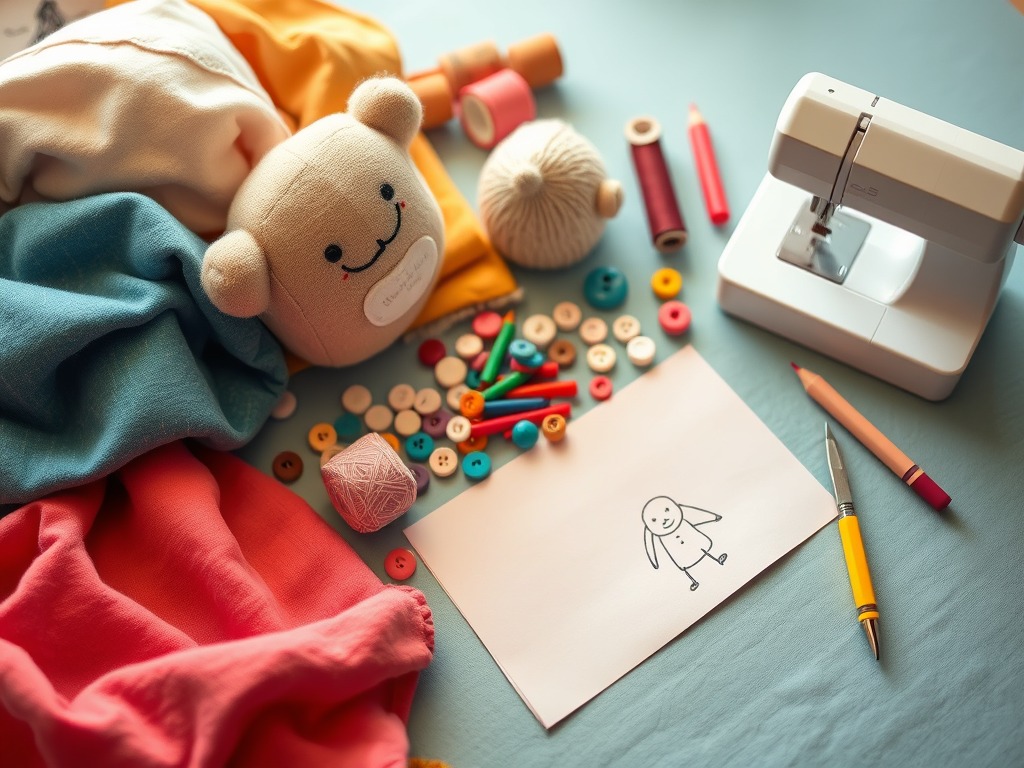
Complex designs and premium materials significantly raise production costs.
- Detailed shapes require more precise cutting and stitching.
- Additional features like embroidery, appliques, or electronics add time and cost.
- High-quality fabrics, hypoallergenic stuffing, and safe components are more expensive.
- Unique color matching and custom prints increase material sourcing expenses.
Balancing creativity and budget is essential for cost-effective custom plushies.
Intricate designs and premium materials increase labor and sourcing costs, directly affecting plushie pricing.
Design complexity translates into longer production time and more skilled labor. For example, custom embroidered eyes or noses require handwork, which is slower and costlier than simple sewn-on features.
Materials like high-grade faux fur or organic cotton enhance softness and safety but cost significantly more than basic polyester.
Custom color dyes and specialty fabrics require minimum purchase volumes, raising material costs for small batches.
Adding functional parts such as sound chips or magnets also drives costs due to sourcing and assembly challenges.
Manufacturers balance these demands by advising clients on feasible design choices within budget constraints.
| Design Aspect | Cost Impact | Reason |
|---|---|---|
| Intricate Stitching | High | Manual work required |
| Embellishments | Medium to High | Extra materials and labor |
| Premium Fabrics | High | Higher raw material costs |
| Functional Features | Medium to High | Extra parts and assembly |
3. What Role Does Minimum Order Quantity Play In Custom Plushie Costs?
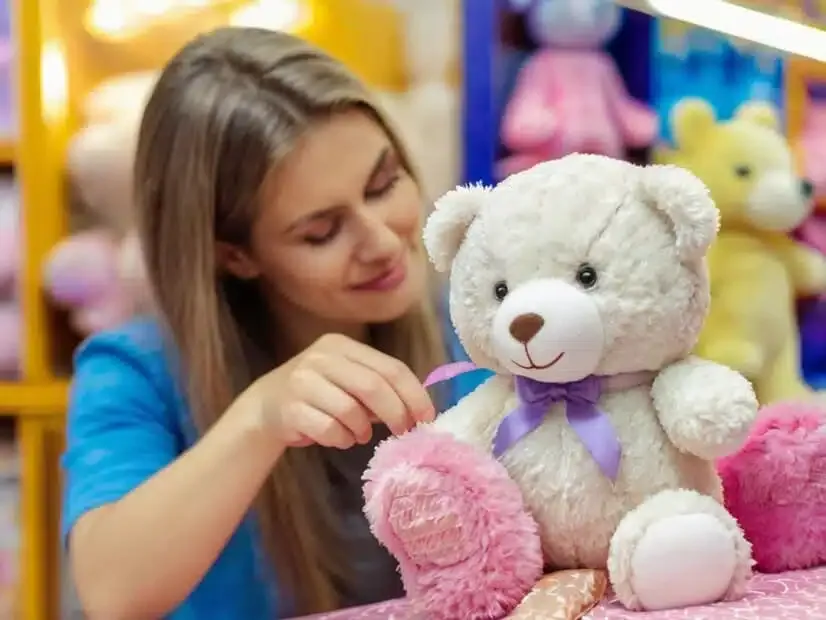
MOQ significantly affects the per-unit cost of custom plush toys.
- Larger MOQs allow manufacturers to amortize tooling, setup, and overhead expenses.
- Small orders increase unit costs due to fixed expenses spread over fewer pieces.
- Some factories charge premium pricing or tooling fees for low-volume orders.
- Negotiating MOQ based on client needs can optimize costs and inventory.
Understanding MOQ helps buyers plan budgets and timelines efficiently.
Minimum order quantities directly influence cost efficiency; larger orders lower unit prices by spreading fixed costs.
Factories invest in tooling like molds and patterns to start production. These costs remain constant regardless of order size.
Large orders dilute these costs, making each plushie cheaper. For example, a $10,000 tooling cost spread over 10,000 units adds $1 per unit, but over 1,000 units adds $10 per unit.
Smaller MOQs also increase labor cost per piece because setups and changeovers consume time.
Some manufacturers allow batch production, splitting large runs into smaller deliveries, balancing MOQ with buyer flexibility.
| MOQ Range | Unit Cost Effect | Notes |
|---|---|---|
| High (>10,000 pcs) | Low | Cost efficient |
| Medium (1,000-10,000 pcs) | Moderate | Balanced cost and volume |
| Low (<1,000 pcs) | High | Higher unit cost |
| Custom MOQ | Varies | Negotiable with suppliers |
4. How Do Safety Testing And Certifications Affect Overall Expenses?
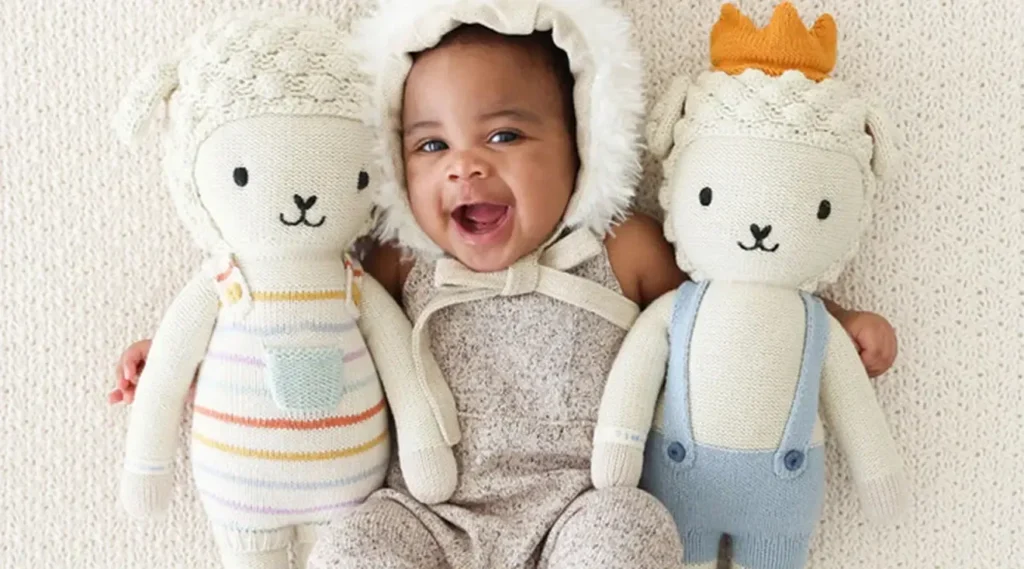
Compliance with safety standards adds to the cost but is vital for market access.
- Testing includes chemical, mechanical, flammability, and electrical safety assessments.
- Certification fees and retesting add to production timelines and expenses.
- Non-compliance risks product recalls, fines, and brand damage.
- Incorporating safety from design reduces costly redesigns and testing failures.
Investing in certifications ensures consumer trust and smooth market entry.
Safety certifications increase expenses but are essential for legal compliance and consumer confidence.
Testing labs analyze toy samples for harmful substances like lead or phthalates.
Mechanical tests verify parts cannot detach to avoid choking hazards.
Electrical safety applies to toys with batteries or electronics.
Certification documents are required by importers and retailers in key markets like the US and Europe.
Planning product design to meet standards reduces time-to-market and extra costs.
| Certification | Cost Impact | Importance |
|---|---|---|
| ASTM F963 | Medium to High | US safety standard |
| EN71 | Medium to High | European standard |
| CPSIA | Medium | US chemical compliance |
| Additional Tests | Varies | Depending on product features |
5. What Are The Labor And Manufacturing Challenges In Custom Plushie Making?
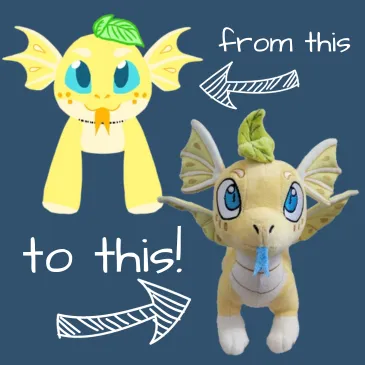
Custom plushies require skilled labor and precise manufacturing processes.
- Complex features demand experienced seamstresses and artisans.
- Integration of electronics or special materials increases production difficulty.
- Quality control must catch defects early to avoid costly rework.
- Balancing speed and precision is critical for profitability.
These challenges contribute to higher labor costs and longer lead times.
Skilled labor, precise assembly, and strict quality control increase production complexity and cost.
Hand-sewn details and embroidered logos need patience and skill.
Combining fabrics of different textures requires careful handling to avoid damage.
Electronic module installation must follow safety and durability protocols.
Regular inspections catch stitching errors or material flaws before shipment.
Training and retaining skilled workers is vital to maintain product standards.
| Manufacturing Step | Challenge | Effect on Cost |
|---|---|---|
| Detailed Sewing | Requires expertise | Increased labor hours |
| Material Handling | Mix of textiles and electronics | Potential for errors |
| Quality Control | Detecting defects early | Reduces returns |
| Workforce Training | Skilled labor needed | Higher wages |
6. How Can Buyers Balance Quality And Cost When Ordering Custom Plushies?
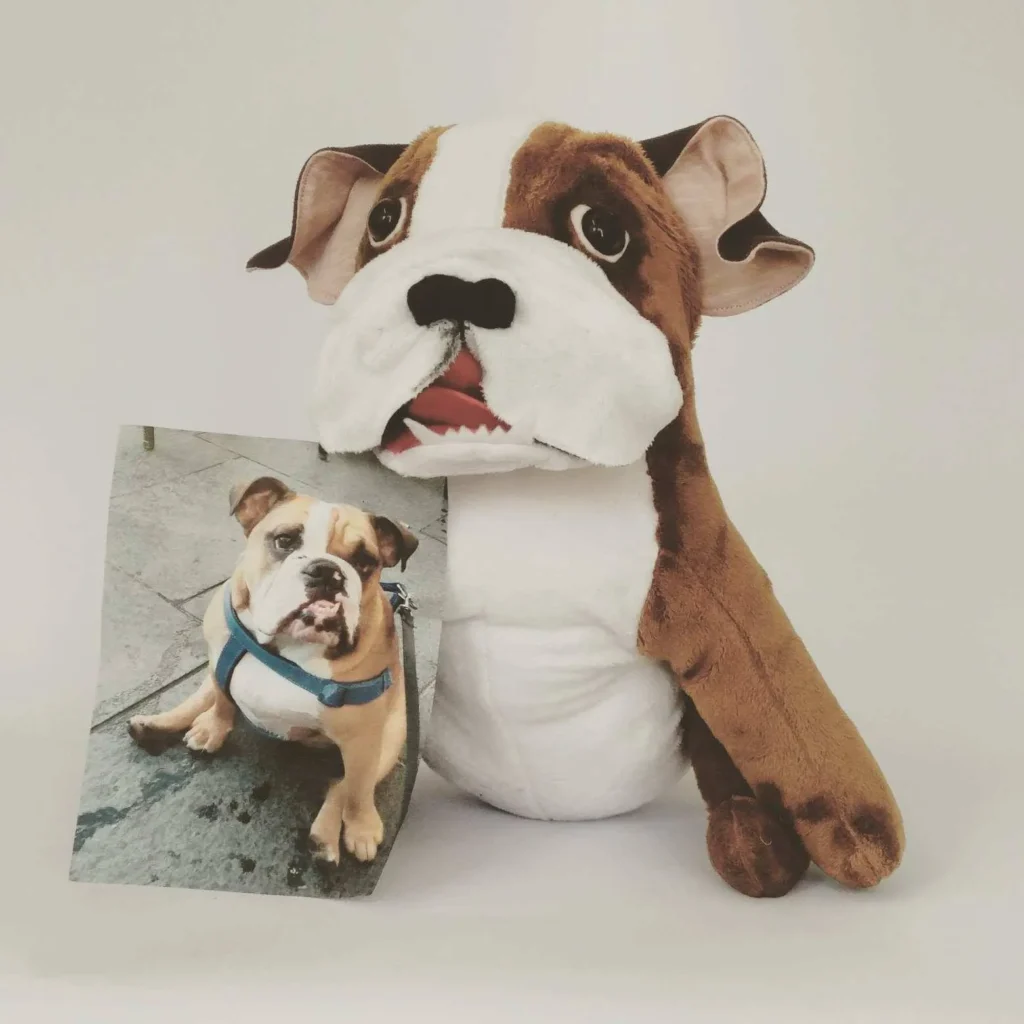
Finding the best value involves strategic decision-making.
- Prioritize essential features to avoid unnecessary expenses.
- Collaborate with manufacturers to select cost-effective materials.
- Increase order quantities to reduce unit price.
- Plan ahead to allow time for sampling and revisions.
- Consider long-term brand reputation over lowest upfront cost.
Smart choices result in quality plushies within budget.
Balancing features, materials, order size, and lead time helps buyers optimize cost without sacrificing quality.
Assess market needs carefully; overly complex designs may not increase sales proportionally.
Work closely with your manufacturer to source quality materials at best prices.
Order consolidation reduces freight and administrative expenses.
Allocate time for sample evaluation and adjustments before mass production.
Remember, investing in quality strengthens brand loyalty and reduces returns.
| Strategy | Benefit | Consideration |
|---|---|---|
| Feature Prioritization | Cost control | Avoid unnecessary complexity |
| Material Selection | Cost-quality balance | Quality affects brand image |
| Larger Orders | Lower unit price | Inventory management |
| Sampling & Planning | Reduced rework | Time investment |
Custom plushies’ higher prices reflect design, materials, safety, and labor complexity, balanced by smart sourcing.
For expert guidance and custom plush solutions, contact Amanda at [[email protected]] or visit [https://plushtoyinchina.com].