Stuffing material is the heart of a soft toy’s feel. The right filling creates a cuddly, durable, and safe product that delights customers and builds brand trust.
Polyester fiberfill is the most commonly used stuffing in soft toys worldwide due to its excellent softness, lightweight nature, hypoallergenic properties, and affordability. It helps manufacturers deliver consistent quality and comfort.
Let’s explore in detail the various stuffing materials and how they impact plush toy quality.
1. What Are The Most Popular Stuffing Materials For Soft Toys?
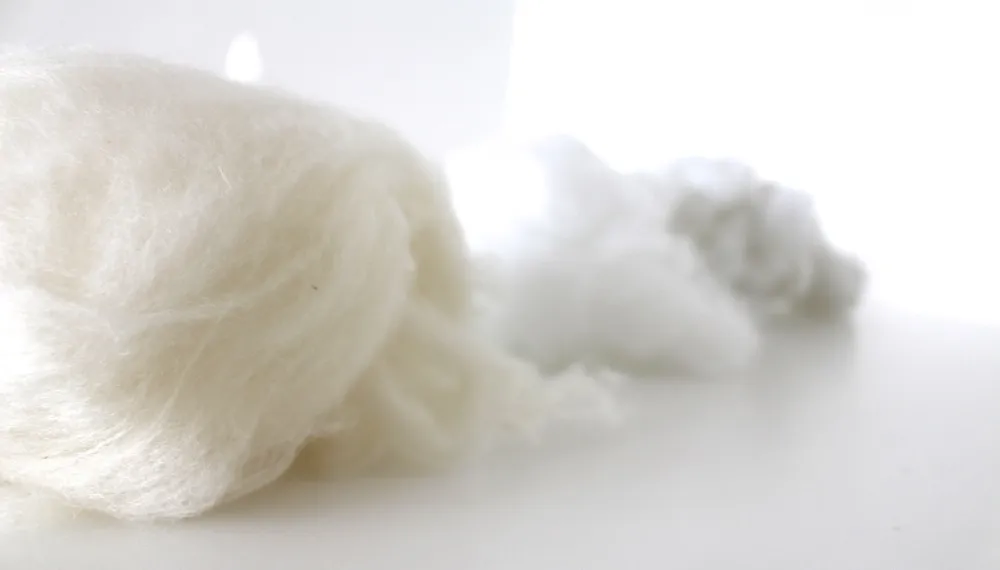
Stuffing materials define how a soft toy feels and performs. While many options exist, a few key materials are widely favored for their balance of softness, durability, and cost.
Polyester fiberfill leads as the preferred stuffing, while cotton, wool, and plastic beads serve specialized purposes in different plush toy designs.
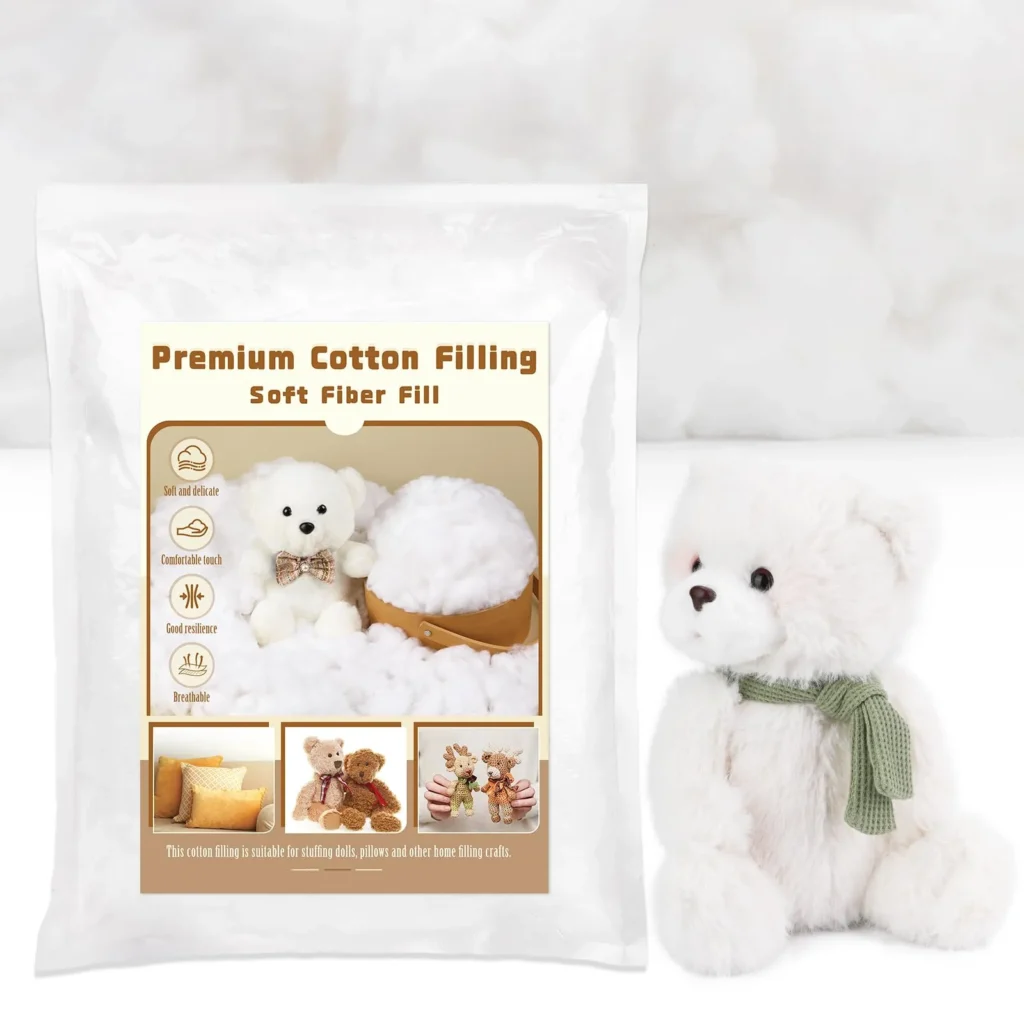
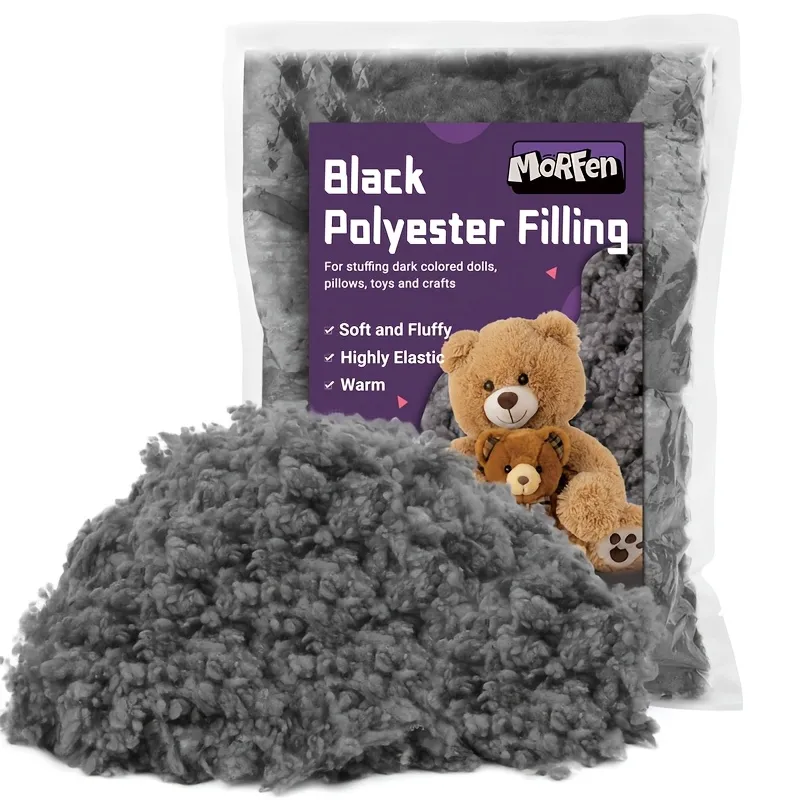
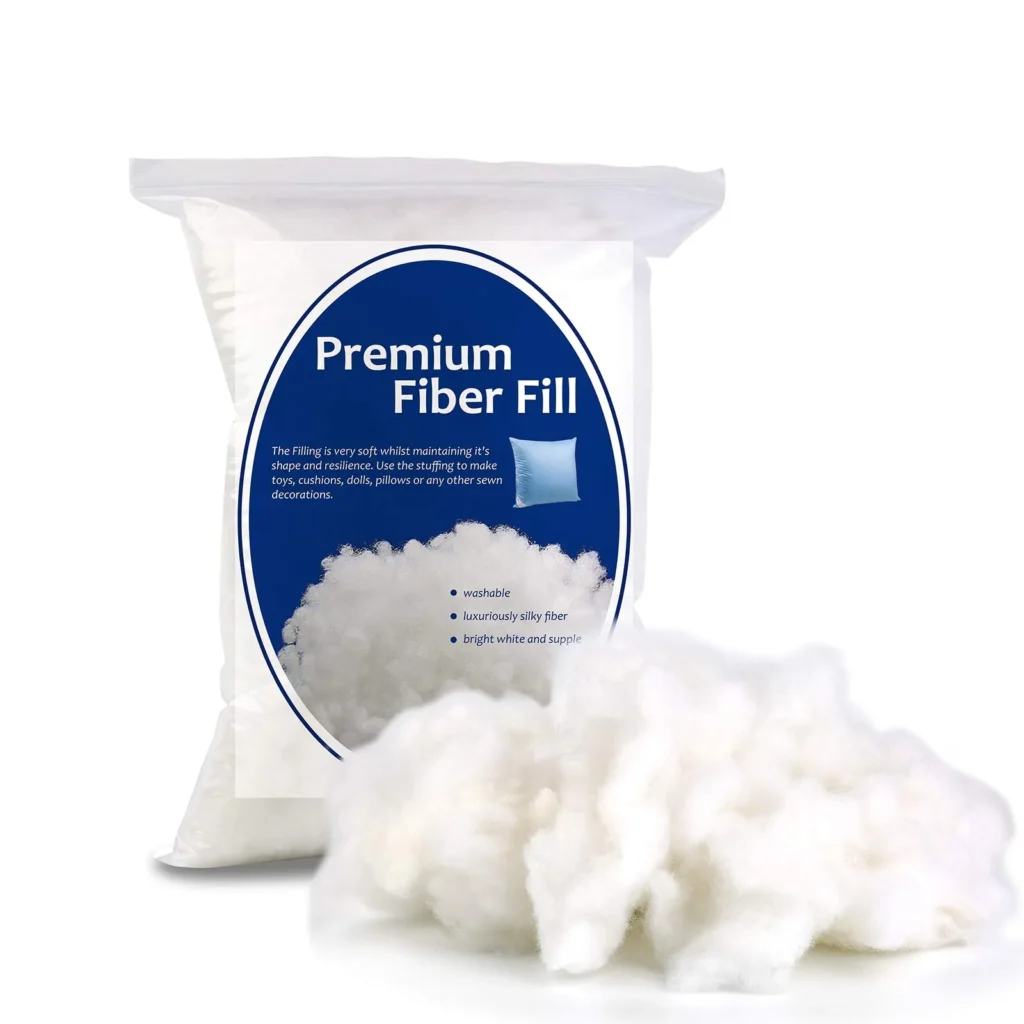
Polyester fiberfill consists of fine, soft polyester fibers that are siliconized to enhance fluffiness and resilience. This material is light, dries quickly, and is hypoallergenic, making it ideal for children’s toys and mass production.
Cotton stuffing offers a natural alternative, prized for its breathability and softness, but tends to be heavier and less durable than synthetics. Wool is dense and warm but requires special care and is often reserved for artisanal or premium plushies.
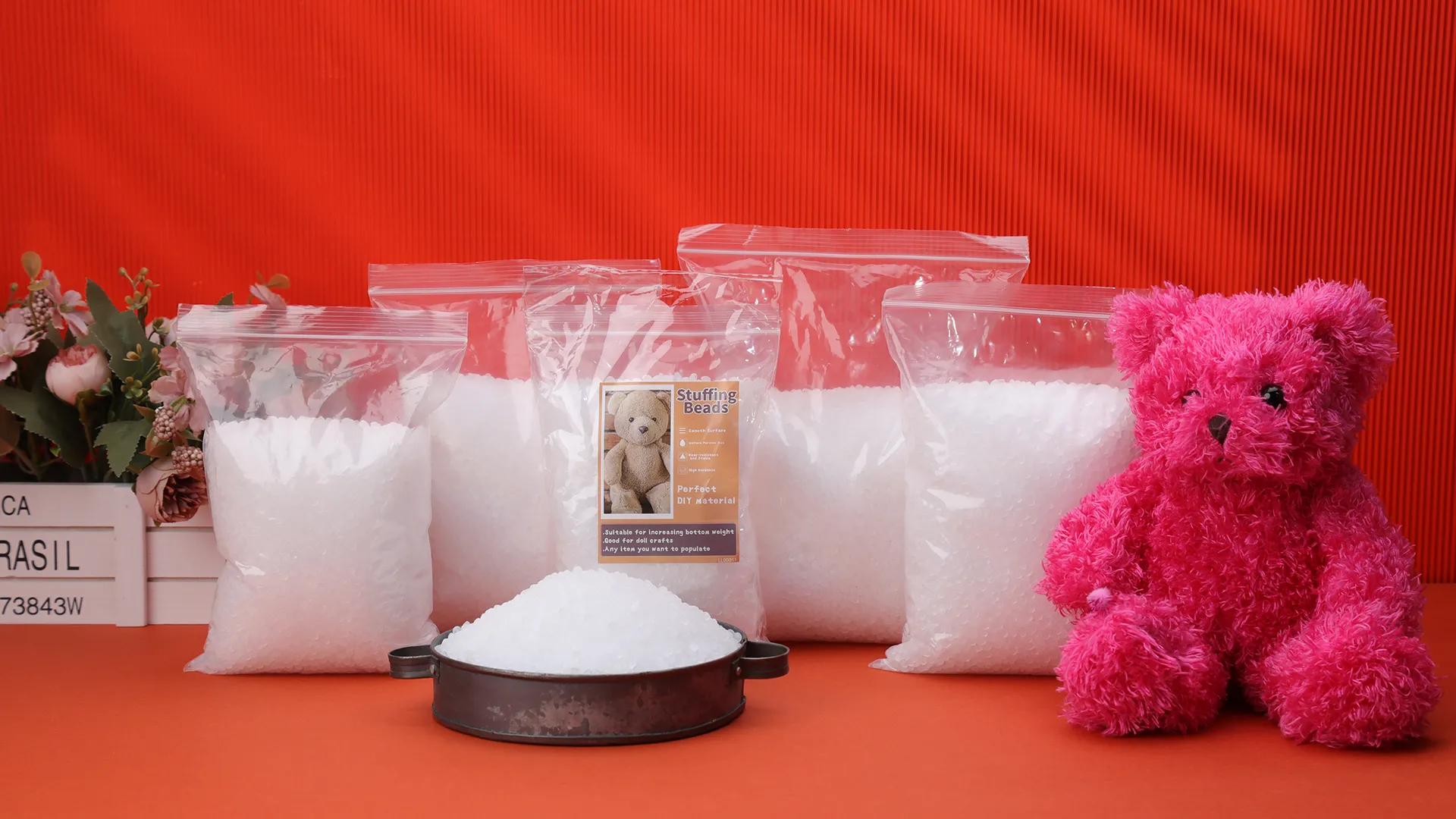
Plastic beads or pellets add weight and sensory input, used in weighted or therapy plush toys, but lack softness and cushioning.
| Stuffing Material | Softness | Weight | Durability | Typical Use |
|---|---|---|---|---|
| Polyester Fiberfill | Very soft | Lightweight | High | Standard plush toys |
| Cotton | Soft | Medium-Heavy | Medium | Natural fiber or organic toys |
| Wool | Dense, soft | Medium | Medium-High | Artisanal, warm plush toys |
| Plastic Beads/Pellets | Firm | Heavy | High | Weighted or sensory toys |
By understanding these options, manufacturers can select the right stuffing to meet diverse client and market demands.
2. How Does Polyester Fiberfill Compare To Alternative Stuffing Options?
Polyester fiberfill’s success stems from its superior balance of softness, resilience, and cost-efficiency compared to other materials.
When compared with cotton or wool, polyester fiberfill is lighter, more durable, hypoallergenic, and easier to process—perfect for large-scale plush toy manufacturing.
Cotton stuffing is denser and can absorb moisture, potentially leading to clumping or odor if not properly cared for. Wool provides warmth and a natural feel but is heavier and less flexible. Plastic beads add weight but do not contribute to softness or cushioning.
Polyester fiberfill’s siliconized treatment ensures the fibers remain fluffy and springy even after repeated use and washing. This maintains toy shape and tactile appeal over time.
| Feature | Polyester Fiberfill | Cotton | Wool | Plastic Beads |
|---|---|---|---|---|
| Softness | Very High | High | Medium-High | Low |
| Weight | Very Light | Medium-Heavy | Medium | Heavy |
| Durability | High | Medium | Medium | High |
| Allergy Risk | Low | Low | Medium | Very Low |
| Cost | Low-Medium | Medium | High | Medium |
This makes polyester fiberfill a staple for factories aiming to deliver reliable, comfortable products at scale.
3. What Are The Safety And Allergy Considerations For Different Stuffing Materials?
Safety and hypoallergenic properties are critical for stuffed toys, especially those designed for babies and young children.
Polyester fiberfill is widely certified non-toxic and hypoallergenic, whereas natural fibers like cotton and wool may pose allergy risks or require chemical treatment to ensure safety.
Cotton and wool fibers can harbor dust mites or allergens if not processed carefully. Additionally, some natural fibers require flame retardant treatments to meet safety standards, which may introduce chemical concerns.
Plastic beads must be securely enclosed to eliminate choking hazards. All stuffing materials should comply with global standards such as ASTM F963, EN71, and CPSIA.
| Safety Aspect | Polyester Fiberfill | Cotton | Wool | Plastic Beads |
|---|---|---|---|---|
| Non-toxicity | Certified | Certified | Certified | Certified |
| Hypoallergenic | Yes | Usually | Sometimes | Yes |
| Choking Hazard | Low (fibers enclosed) | Low | Low | High (if loose) |
| Fire Safety | Meets Standards | Meets Standards | Meets Standards | Meets Standards |
Strict adherence to safety and allergy regulations ensures consumer trust and smooth market entry.
4. How Does Stuffing Material Affect The Durability And Shape Retention Of Soft Toys?
The quality and type of stuffing have a direct impact on how well a soft toy keeps its shape and resists wear over time.
Polyester fiberfill’s resilience allows plush toys to maintain their fluffiness and shape longer than many natural fibers, which may compress or mat.
Cotton stuffing tends to settle and flatten, reducing toy volume and softness after extended use. Wool is dense but may felt or bunch under stress. Plastic beads maintain weight but do not cushion or add softness.
Proper stuffing density and high-quality fiber processing minimize lumping and loss of form. Factories like Kinwin implement strict quality control to guarantee even fill and lasting softness.
| Property | Polyester Fiberfill | Cotton | Wool | Plastic Beads |
|---|---|---|---|---|
| Shape Retention | High | Medium | Medium | N/A |
| Resistance to Clumping | High | Low | Medium | N/A |
| Washability | High | Medium | Low | High |
Durable stuffing means toys remain inviting and reduce returns or complaints.
5. What Are The Environmental Impacts Of Common Stuffing Materials?
Sustainability concerns influence many buyers’ and manufacturers’ material choices today.
While polyester fiberfill is petroleum-based and not biodegradable, recycled polyester fiberfill offers a greener option. Natural fibers are biodegradable but can have higher water and land use impacts.
Organic cotton reduces pesticide use but demands significant water resources. Wool is renewable and biodegradable but involves animal farming impacts.
Balancing ecological footprint with product performance and cost is key to responsible plush toy manufacturing.
| Environmental Factor | Polyester Fiberfill | Recycled Polyester | Cotton | Wool |
|---|---|---|---|---|
| Biodegradability | No | Partial | Yes | Yes |
| Resource Use | High | Lower | High (water) | Medium |
| Carbon Footprint | High | Lower | Medium | Medium |
| Recycling Potential | Limited | High | Limited | Limited |
Kinwin embraces recycled fiberfill to reduce environmental impact while maintaining product quality.
6. How Can Manufacturers Choose The Best Stuffing For Specific Soft Toy Designs?
Choosing stuffing involves balancing softness, durability, safety, cost, and environmental goals aligned with the toy’s purpose and market.
Manufacturers consider target age group, toy function, budget, and regulatory compliance to select the most suitable stuffing material and density.
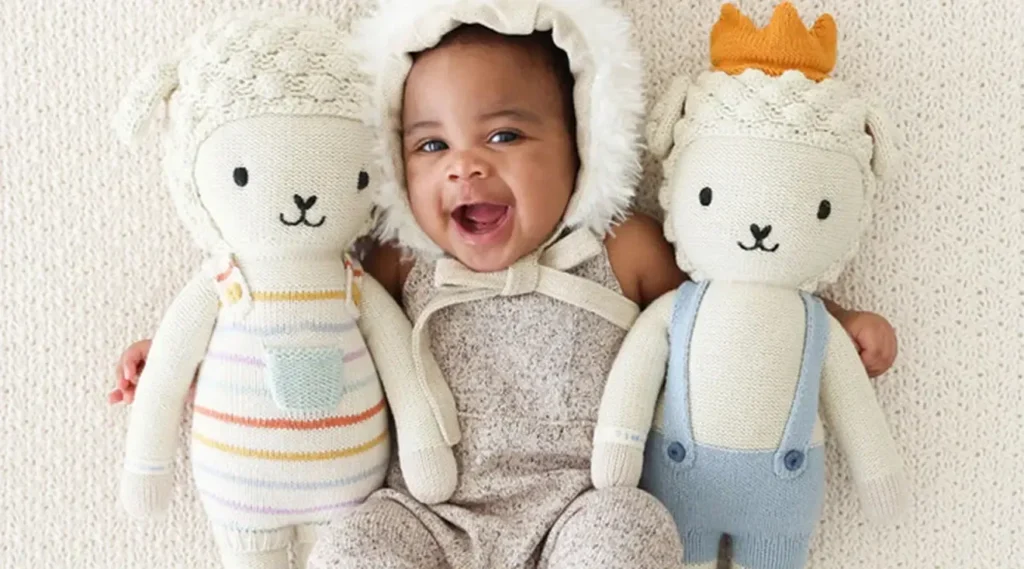
Baby toys demand hypoallergenic, soft fiberfill. Weighted toys require bead blends for sensory benefits. Premium or artisanal plushies may incorporate cotton or wool.
Collaboration during sampling ensures the stuffing meets client and market expectations, reducing revisions and delays.
| Decision Factor | Consideration | Impact on Choice |
|---|---|---|
| Target Audience | Age, allergies | Softness and safety priority |
| Toy Function | Cuddly, weighted, decorative | Stuffing type and mix |
| Budget | Cost per unit | Material selection |
| Environmental Goals | Sustainability commitments | Fiberfill vs natural fibers |
| Certification Needs | ASTM, CE, CPSIA compliance | Approved stuffing materials |
Kinwin’s expertise helps brands like Jessica Williams create plush toys with optimal stuffing for lasting customer satisfaction.
Selecting the right stuffing defines a soft toy’s softness, safety, durability, and sustainability.
For trusted plush toy production and customization, contact Amanda at [[email protected]] or visit [https://plushtoyinchina.com].