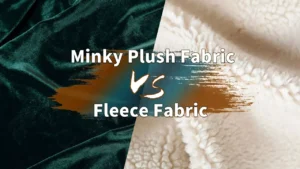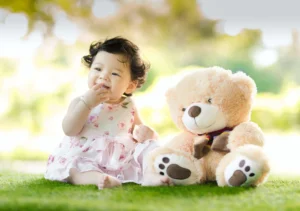

The choice of fabric is crucial in creating stuffed toys that are soft, safe, and visually appealing. The material impacts the toy’s tactile experience, durability, and overall quality.
The most commonly used fabrics for stuffed toy production include plush, minky, velboa, and fleece. Each fabric brings unique textures, strengths, and aesthetic qualities that influence the toy’s safety, comfort, and longevity.
Let’s take a closer look at these fabrics and understand their roles in the stuffed toy industry.
1. What Are The Most Common Fabrics Used In Stuffed Toy Production?
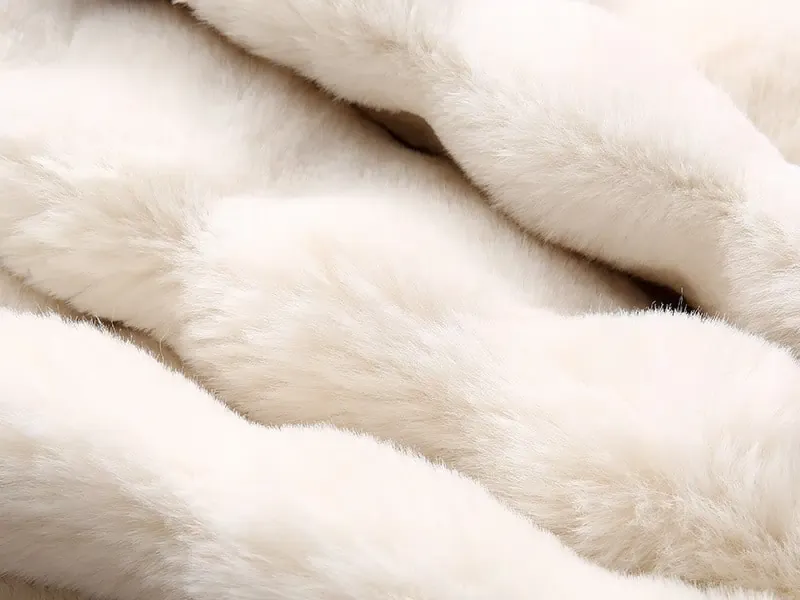
Several fabrics dominate the stuffed toy manufacturing world due to their excellent balance of softness, durability, and cost-efficiency.
Plush, minky, velboa, and fleece are the most frequently used fabrics in stuffed toy production, each offering distinctive tactile sensations and visual appeal that cater to various product needs.
Plush fabric is known for its medium to long pile, providing a classic fuzzy feel loved by many. Minky, with its short and dense pile, is ultra-soft and particularly favored for baby toys because of its gentle touch and silky smooth surface. Velboa offers a short, velvet-like nap that is robust and easy to maintain, ideal for toys that face frequent handling and play. Fleece is thicker and fuzzier, used mostly in larger plush toys and blankets for its warmth and resilience, though it’s less common for highly detailed plush designs.
Manufacturers often choose fabric types based on the target market, product application, and desired texture to strike the right balance between softness, durability, and price.
| Fabric Type | Texture | Typical Uses | Cost Range |
|---|---|---|---|
| Plush | Soft, medium pile | Classic stuffed animals | Medium |
| Minky | Ultra-soft, short pile | Baby toys, premium plush | Medium-High |
| Velboa | Short, velvet-like | Durable, everyday play toys | Low-Medium |
| Fleece | Thick, fuzzy | Blankets, large plush toys | Low |
This wide array enables manufacturers to tailor plush toys to specific customer expectations and market trends.
2. How Do Fabric Properties Affect The Quality And Safety Of Stuffed Toys?
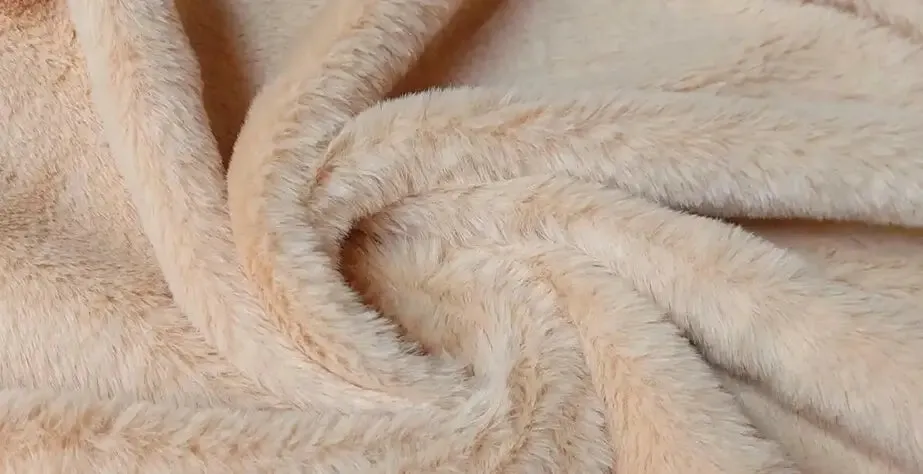
Fabric characteristics deeply influence not only the feel but also the safety and longevity of stuffed toys.
Safe and high-quality fabrics are non-toxic, flame-resistant, hypoallergenic, and robust enough to endure everyday use, helping ensure that stuffed toys meet global safety standards.
The weave tightness of the fabric affects how well it resists fiber shedding, which is crucial because loose fibers could present choking hazards. Softness must be balanced with strength to withstand pulling, rough play, and repeated washing without losing form or texture.
At Kinwin, fabric selections are carefully vetted to comply with ASTM, CE, and CPSIA safety standards. This diligence guarantees that our clients—like Jessica Williams in the USA—receive plush toys that meet stringent safety and quality requirements, building customer trust and satisfaction.
| Property | Importance | Industry Standard Example |
|---|---|---|
| Non-toxicity | Prevent harmful exposure | OEKO-TEX, CPSIA |
| Flammability | Reduce fire risks | ASTM F963, EN71 |
| Durability | Maintain shape and integrity | ISO durability tests |
| Hypoallergenic | Safe for sensitive children | Allergy certifications |
These fabric properties are essential to deliver a plush toy that is both enjoyable and safe for children.
3. What Are The Advantages Of Using Materials Like Plush, Minky, And Velboa?
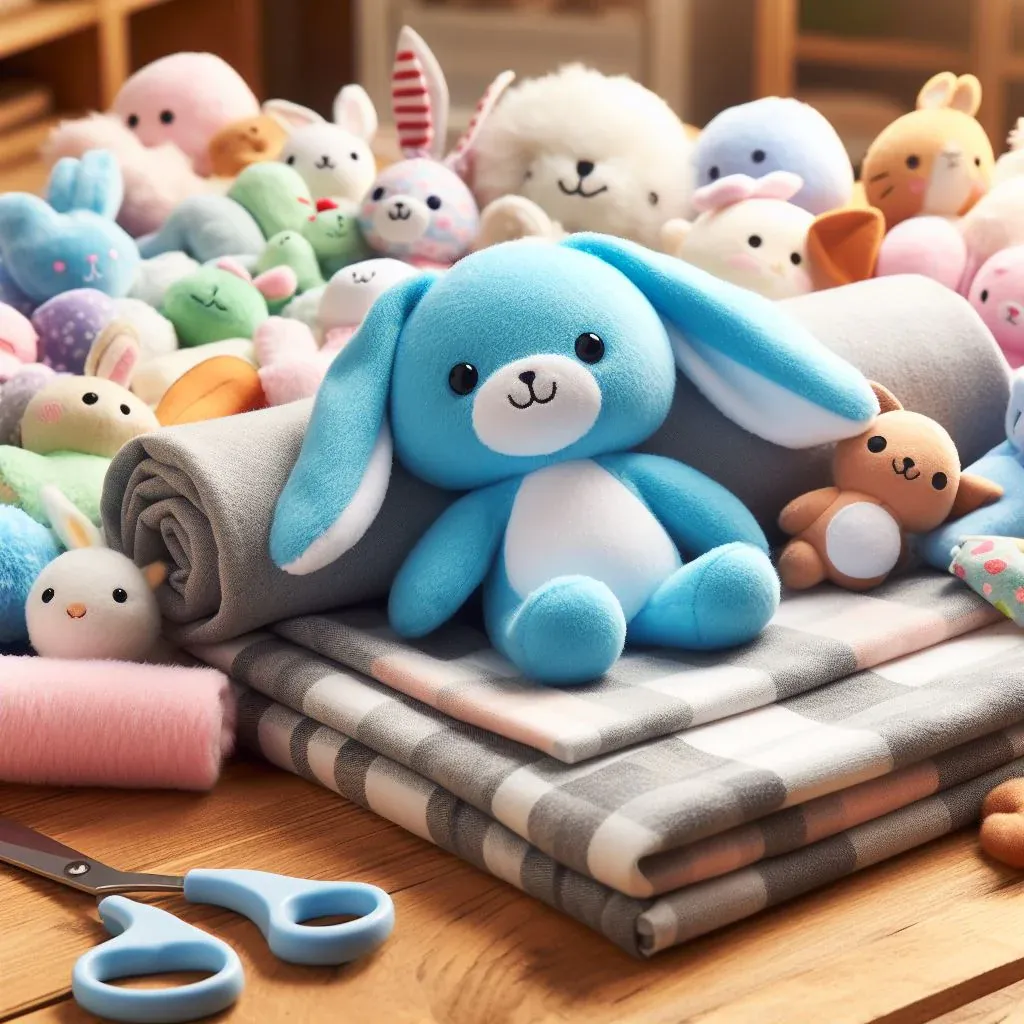
Each fabric type offers distinct advantages, addressing different customer preferences and product purposes.
Plush delivers a timeless fuzzy texture; minky provides exceptional softness perfect for delicate skin; velboa combines durability with a smooth finish suited for active play.
Plush fabric’s longer pile offers warmth and a comforting feel that resonates with the traditional stuffed animal look and feel. Minky’s silky, ultra-soft surface makes it a preferred choice in the baby toy market and premium gift segments. Velboa’s short nap provides durability, resisting wear and tear, which makes it especially suited for toys that will be handled frequently or even outdoors.
Choosing the right fabric among these allows manufacturers to meet diverse market demands effectively.
| Fabric | Key Benefit | Ideal Application |
|---|---|---|
| Plush | Classic fuzzy texture | Traditional stuffed animals |
| Minky | Silky softness | Baby and premium plush toys |
| Velboa | Durable velvet-like feel | Everyday play, rugged toys |
Smart combinations of these fabrics can lead to innovative product designs that satisfy both aesthetic and functional needs.
4. How Does Fabric Selection Influence The Durability And Appearance Of Stuffed Toys?
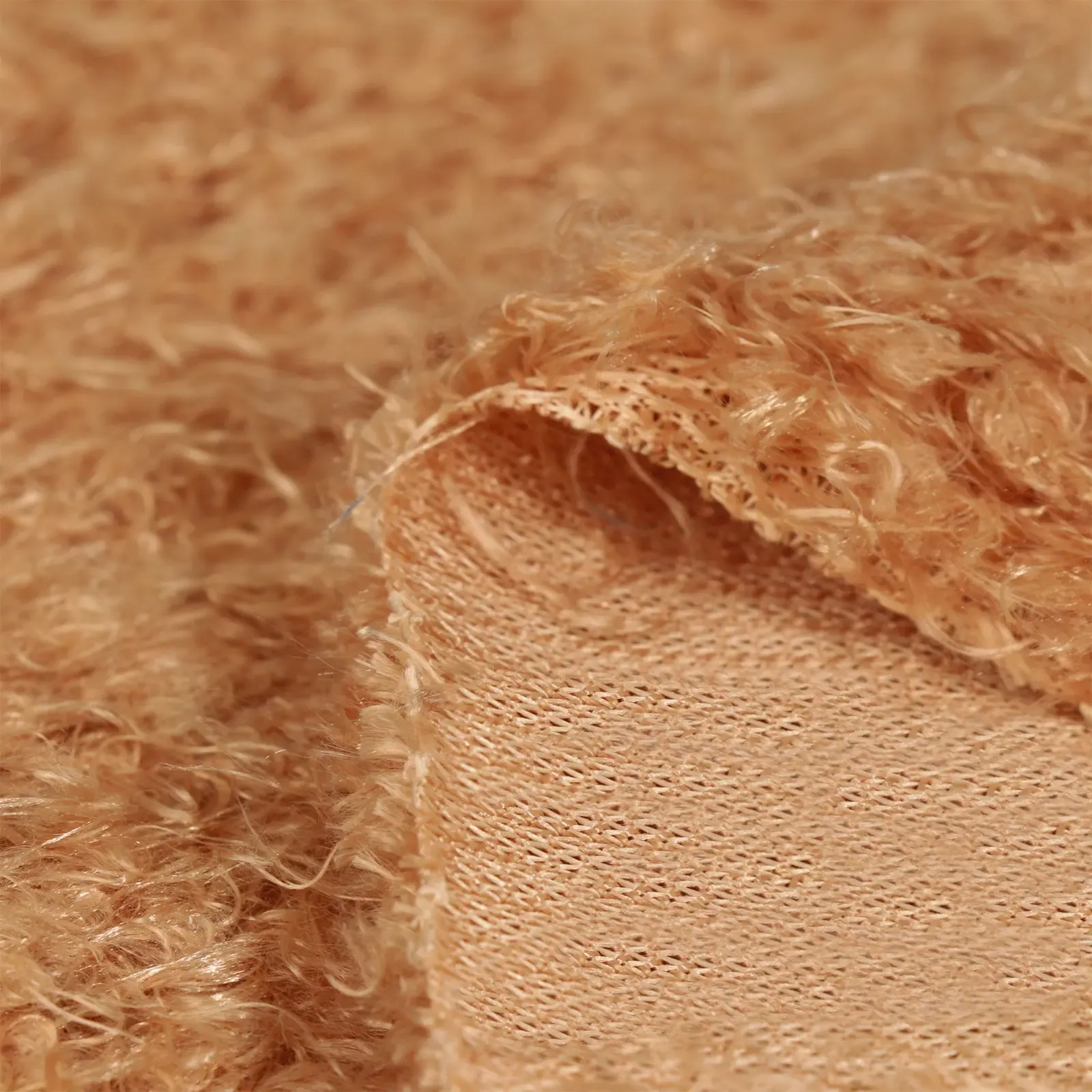
Fabric choice plays a pivotal role in how well a stuffed toy maintains its appearance and softness after prolonged use.
Durable fabrics such as velboa retain their texture and color longer under frequent handling and washing, while softer fabrics like minky may require special care to maintain their plushness.
Fabrics with tighter weaves and protective finishing treatments better resist pilling and fading. Manufacturers must weigh how fabric aging affects product appeal and customer satisfaction because a worn-out plush can harm brand reputation and reduce repeat purchases.
At Kinwin, we utilize stringent quality control protocols and recommend fabric blends or finishing treatments to enhance wear resistance while preserving softness and comfort.
| Factor | Effect on Durability | Impact on Appearance |
|---|---|---|
| Weave Tightness | Higher = more durable | Maintains texture |
| Pile Length | Shorter piles last longer | Affects plushiness |
| Finishing | Treatments increase lifespan | Reduces pilling and fading |
Careful fabric choices ensure toys stay attractive and pleasant to touch through years of enjoyment.
5. What Are The Industry Standards And Certifications For Fabrics In Plush Toy Manufacturing?
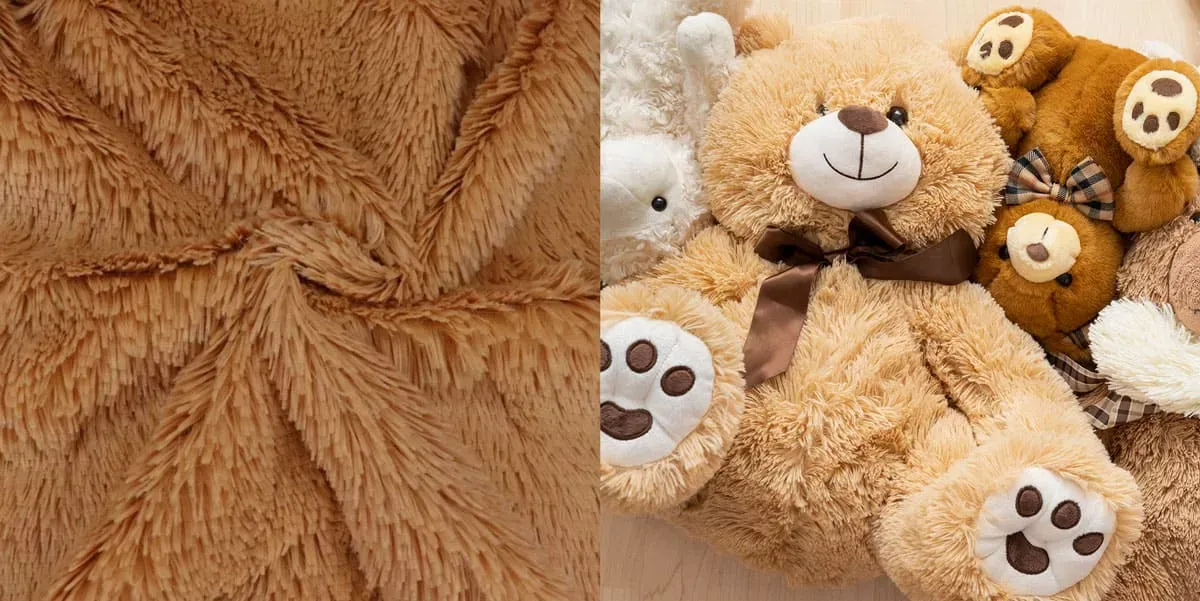
Adhering to global industry standards ensures fabrics used in plush toys are safe, reliable, and suitable for children.
Certifications such as ASTM F963, EN71, CPSIA, and OEKO-TEX guarantee that fabrics meet strict criteria for chemical safety, flammability, and allergenic potential.
Manufacturers must procure fabrics only from certified suppliers and maintain thorough compliance documentation to satisfy both regulators and retail customers.
Kinwin partners with trusted textile suppliers who provide verified, certified fabrics, enabling us to consistently deliver products that fulfill international quality and safety expectations.
| Certification | Focus Area | Relevance to Plush Fabrics |
|---|---|---|
| ASTM F963 | US toy safety | Non-toxicity, flame resistance |
| EN71 | European toy safety | Chemical and physical safety |
| CPSIA | US consumer product safety | Lead and phthalate limits |
| OEKO-TEX | Textile safety | Harmful substance testing |
Strict adherence to these certifications builds trust with buyers and end consumers alike.
6. How Are Eco-Friendly And Sustainable Fabrics Being Incorporated Into Stuffed Toy Production?
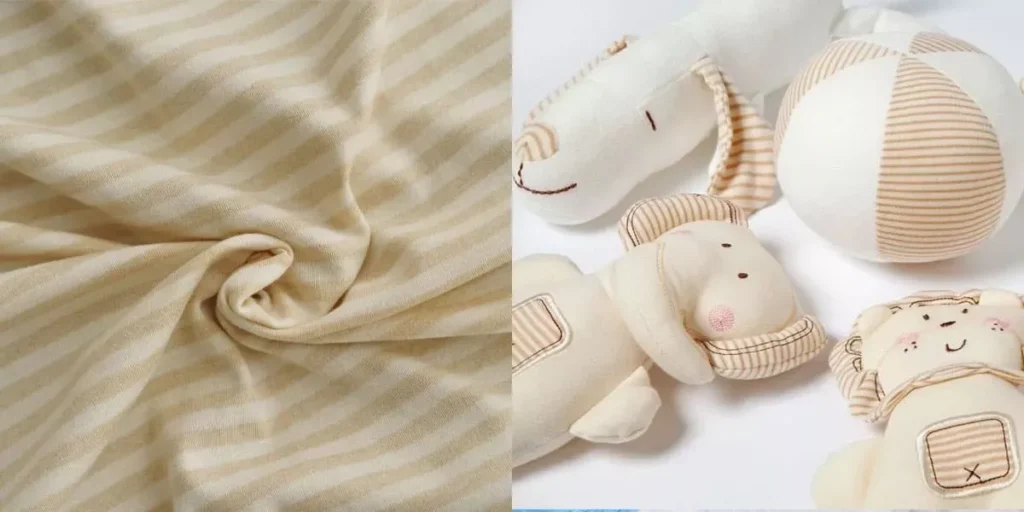
Sustainability is an evolving priority in the plush toy industry, prompting wider adoption of eco-friendly fabrics.
Materials such as organic cotton, recycled polyester, and bamboo blends are increasingly integrated to reduce environmental footprints while maintaining quality and safety.
Organic cotton offers a pesticide-free, biodegradable option, but tends to be more expensive and water-intensive. Recycled polyester reduces plastic waste and conserves resources but requires stringent quality control to maintain softness and durability. Bamboo fabrics bring natural antibacterial properties and rapid renewability, though their processing can be complex.
Kinwin actively explores and sources sustainable fabrics to help clients meet growing consumer demand for environmentally responsible products without compromising safety or tactile appeal.
| Eco-Friendly Fabric | Environmental Benefit | Challenges |
|---|---|---|
| Organic Cotton | Pesticide-free, biodegradable | Higher cost, water use |
| Recycled Polyester | Reduces plastic waste | Quality consistency |
| Bamboo Blends | Renewable, antibacterial | Processing complexity |
Integrating these materials aligns products with evolving market trends and supports brand sustainability goals.
Selecting the right fabric is essential for producing stuffed toys that are soft, safe, durable, and environmentally conscious.
For expert fabric sourcing and plush toy customization, contact Amanda at [[email protected]] or visit [https://plushtoyinchina.com].