When it comes to making stuffed animals, choosing the right stuffing material is crucial. The stuffing not only determines the toy’s texture and softness but also plays a major role in durability and safety. Let’s explore the most common stuffing materials and their impact on the final product.
Stuffed animals are commonly filled with materials like polyester fiberfill, cotton, and wool. Each material affects softness, durability, and safety in different ways. Polyester is popular for its softness and resilience, while natural materials like cotton and wool offer eco-friendly options. Choosing the right stuffing ensures a plush toy that is both safe and long-lasting.
Now, let’s take a deeper look at the most popular stuffing materials used in stuffed animals.
1. What Are The Most Popular Stuffing Materials For Stuffed Animals?
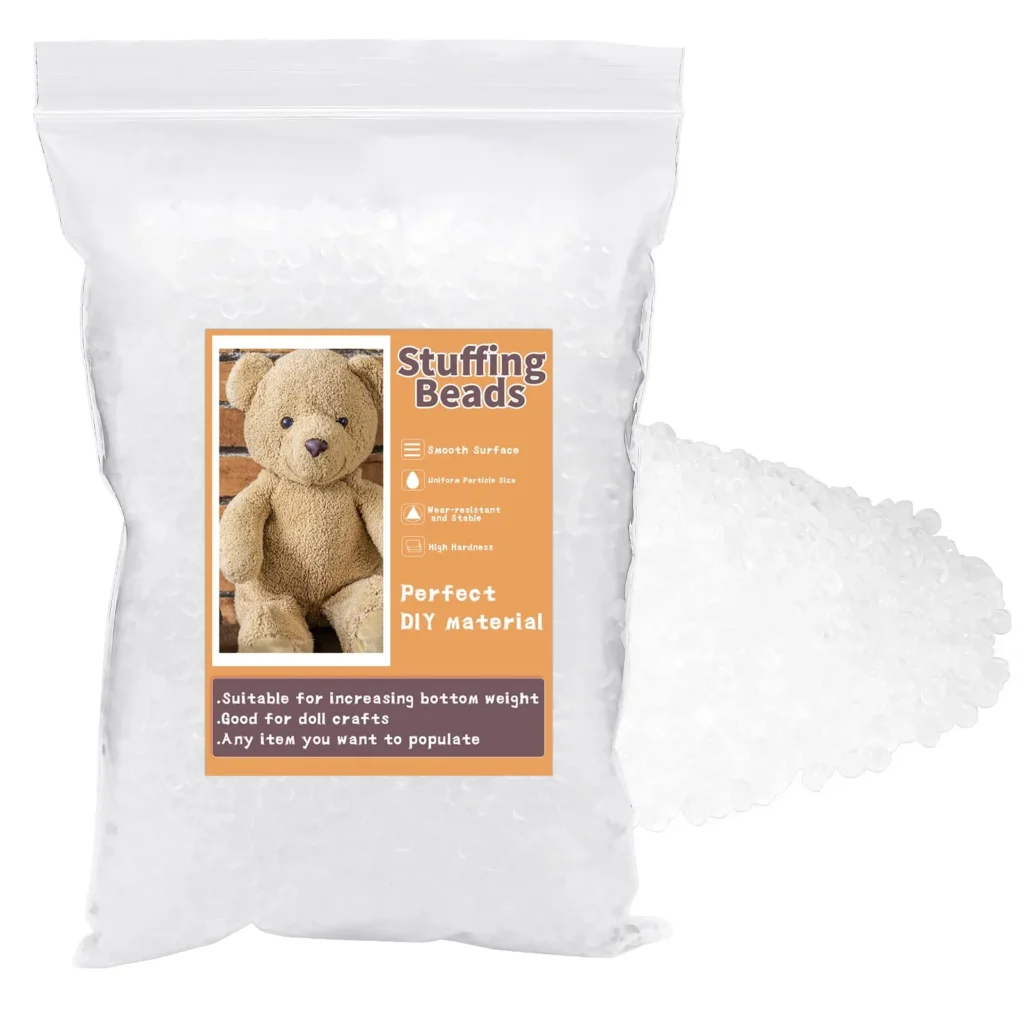
The stuffing material used in stuffed animals plays a crucial role in their overall feel and functionality. The most commonly used stuffing materials are:
- Polyester Fiberfill: This is the most widely used material for stuffing. It offers a soft, fluffy feel and provides excellent resilience, ensuring the plush toy maintains its shape.
- Cotton: A natural, soft material that is highly breathable. Cotton offers a smooth, soft texture but is less durable than polyester and tends to flatten over time.
- Wool: Known for its natural warmth and firm texture, wool provides a durable option for high-quality plush toys.
- Recycled Materials: As sustainability becomes a bigger concern, many manufacturers use recycled polyester or other sustainable stuffing options to reduce their environmental impact.
Polyester fiberfill, cotton, wool, and recycled materials are the most common stuffing materials for stuffed animals, each contributing to softness, durability, and environmental impact.
| Stuffing Type | Softness | Durability | Best Use | Environmental Impact |
|---|---|---|---|---|
| Polyester Fiberfill | High | Moderate | General use, budget-friendly | Low environmental impact |
| Cotton | Medium | Low | Organic toys, eco-friendly | Biodegradable, natural |
| Wool | Medium | High | High-end, eco-conscious | High environmental cost |
| Recycled Materials | Varies | Moderate | Eco-friendly, sustainable toys | Low, sustainable choice |
Each material has its pros and cons, so it’s important to select the right stuffing for the intended use.
2. How Do Stuffing Materials Affect The Feel And Durability Of Stuffed Animals?
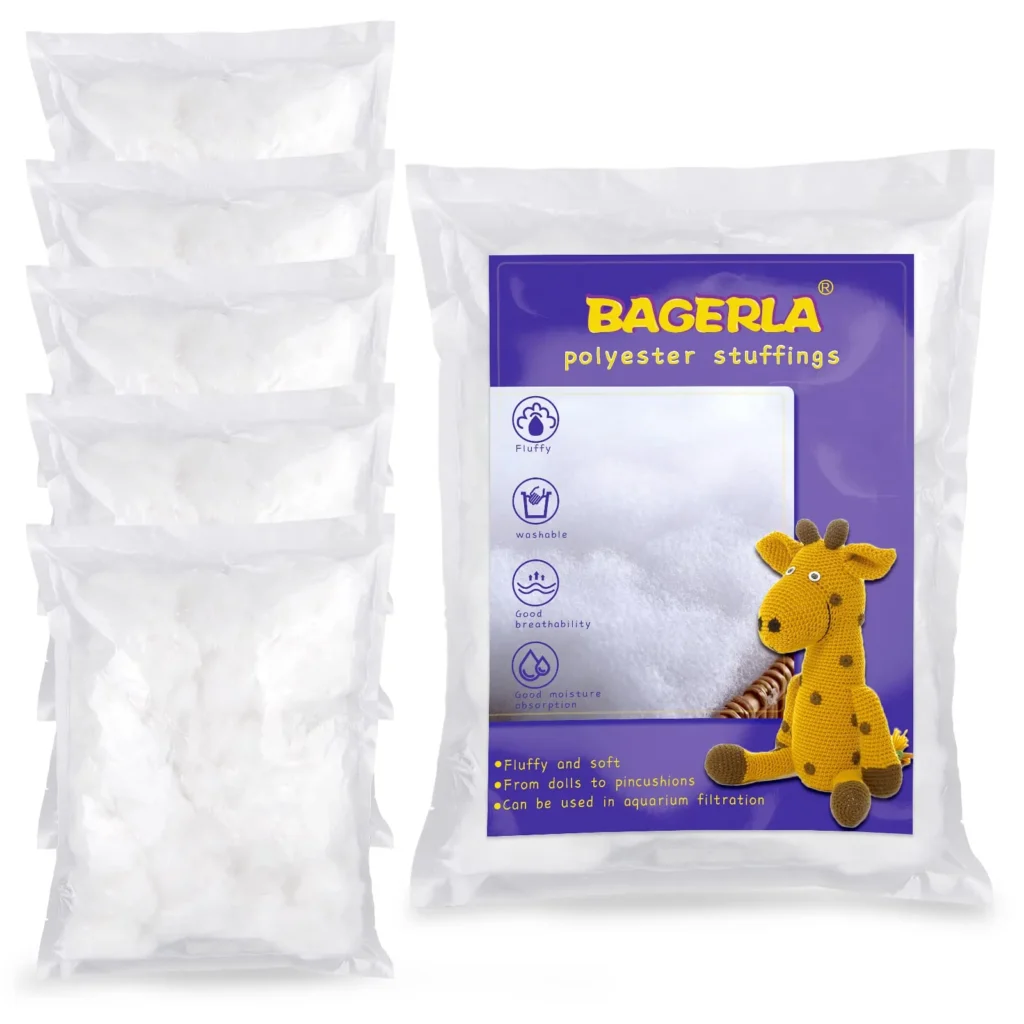
Stuffing materials directly impact both the tactile feel of the stuffed animal and its long-term durability.
- Polyester Fiberfill: Provides a soft, plush texture, but can flatten with use over time. It’s ideal for toys that need to maintain their shape but may lose some softness after frequent handling.
- Cotton: Offers a natural softness and breathability, but is less durable compared to polyester. Over time, cotton-stuffed toys may flatten and lose their shape.
- Wool: Known for its firmness and durability, wool stuffed toys are great for retaining shape. They may not feel as soft as polyester or cotton, but they last longer and provide a more structured feel.
- Recycled Materials: Some recycled materials mimic the feel of polyester while contributing to a more sustainable product. The durability of recycled options varies based on the material used.
Polyester is soft and resilient, cotton is natural but less durable, wool offers structure and durability, while recycled materials offer eco-friendly options with varied durability.
| Stuffing Type | Feel | Durability | Best Use |
|---|---|---|---|
| Polyester Fiberfill | Soft, fluffy | Moderate | Everyday plush toys, budget |
| Cotton | Soft, smooth | Low | Eco-friendly, breathable toys |
| Wool | Firm, dense | High | Luxury, high-quality toys |
| Recycled Materials | Varies | Moderate | Sustainable plush toys |
Choosing the right material depends on your desired feel, durability, and sustainability goals.
3. What Are The Safety Considerations When Choosing Stuffing For Stuffed Animals?
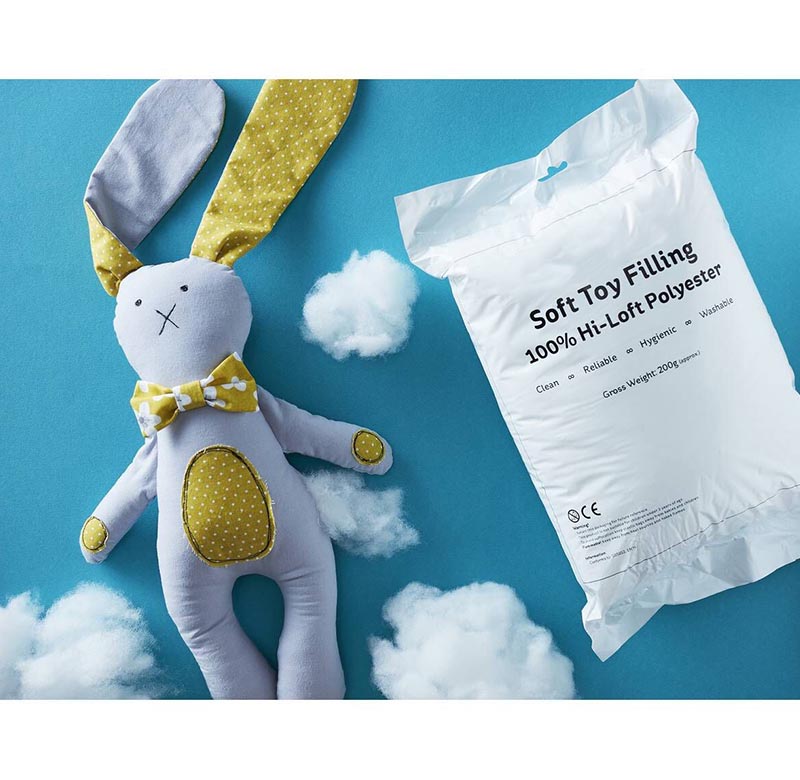
Safety is a top priority when selecting stuffing materials for stuffed animals. Here’s what manufacturers need to keep in mind:
- Non-Toxic Materials: Stuffing materials should be non-toxic and free from harmful chemicals like phthalates, BPA, and lead. Look for certifications like ASTM F963 (for toy safety) and CPSIA (Consumer Product Safety Improvement Act) compliance.
- Hypoallergenic Options: For toys meant for babies or individuals with sensitive skin, hypoallergenic stuffing like polyester fiberfill or organic cotton is preferred.
- Fire Safety: Some stuffing materials are treated with fire retardants to meet safety standards. However, it’s essential to choose non-toxic fire retardants to ensure safety.
- Durability and Tear Resistance: Ensure that the stuffing is durable and resistant to tearing, especially in toys that may be exposed to rough handling or chewing.
Choosing non-toxic, hypoallergenic, and fire-resistant stuffing materials ensures that stuffed animals are safe, especially for babies and children.
| Safety Consideration | Material Impact | Best Use |
|---|---|---|
| Non-Toxic | Ensures safety for children | All stuffed animals |
| Hypoallergenic | Reduces allergies and irritants | Baby and sensitive skin toys |
| Fire Safety | Meets fire safety regulations | All plush toys, especially for children |
| Durability & Tear Resistance | Ensures toys withstand wear | Plush toys for active use |
Adhering to safety standards is critical for producing safe and durable plush toys.
4. How Does Stuffing Density Impact The Shape Retention Of Stuffed Animals?
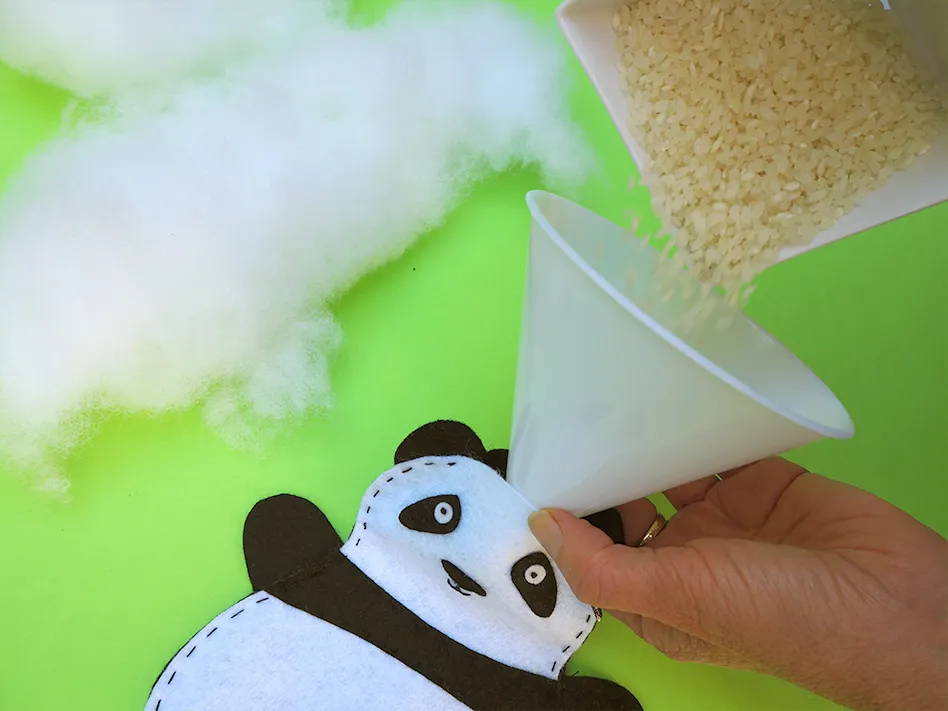
The density of stuffing materials greatly affects how well a stuffed animal holds its shape over time.
- High-Density Stuffing: Materials like wool or dense polyester fiberfill offer better shape retention. These plush toys are less likely to flatten and retain their form even after extensive use.
- Low-Density Stuffing: Lighter materials like cotton tend to lose shape more easily and may flatten with frequent handling, making them less ideal for toys that need to maintain structure.
High-density stuffing materials like wool and dense polyester maintain shape better, while low-density options like cotton may flatten over time.
| Stuffing Type | Density | Shape Retention | Best Use |
|---|---|---|---|
| High-Density Polyester | High | Excellent | Long-lasting plush toys |
| Wool | High | Excellent | Structured, firm plush toys |
| Cotton | Low | Poor | Soft, eco-friendly toys |
| Low-Density Polyester | Low | Moderate | Budget-friendly toys |
Choosing the right stuffing density ensures that the plush toy will maintain its original shape over time.
5. What Are The Environmental Impacts Of Common Stuffing Materials?
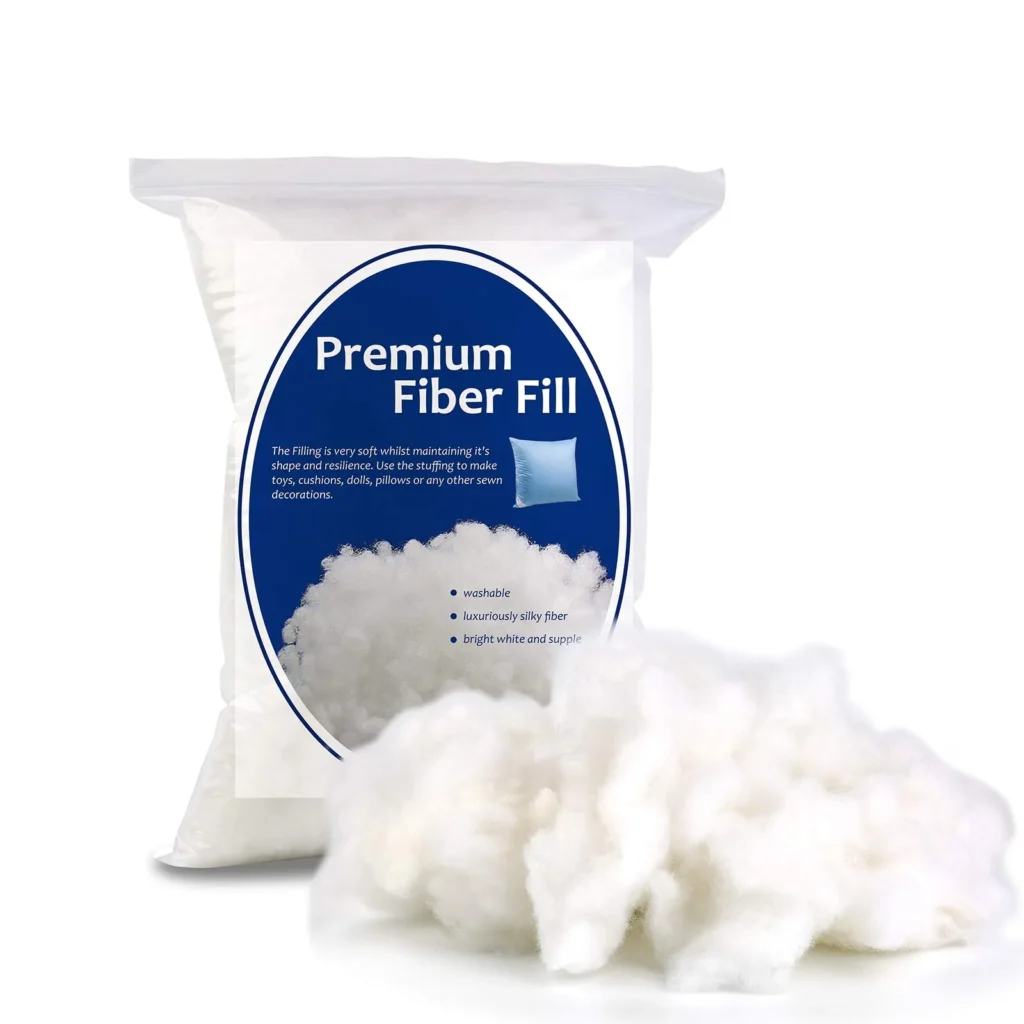
Environmental sustainability is an important factor to consider when choosing stuffing materials.
- Polyester Fiberfill: Made from synthetic materials, polyester is not biodegradable. However, manufacturers can use recycled polyester fibers from plastic bottles to reduce the environmental impact.
- Cotton and Wool: These natural materials are biodegradable and more eco-friendly. However, their production requires more resources, such as water and energy, and may have a higher environmental cost in some cases.
- Recycled Materials: Using recycled stuffing materials helps reduce waste and supports a circular economy, though the environmental impact can vary depending on the material source.
Sustainable options like recycled polyester, cotton, and wool reduce environmental impact, while synthetic polyester has a higher carbon footprint unless recycled.
| Stuffing Type | Environmental Impact | Sustainability |
|---|---|---|
| Polyester Fiberfill | Synthetic, non-biodegradable | Recycled polyester options available |
| Cotton | Biodegradable, renewable | Organic, eco-friendly |
| Wool | Biodegradable, natural | High environmental cost |
| Recycled Materials | Low impact, sustainable | Sustainable, eco-friendly |
Sustainable stuffing materials help reduce the carbon footprint of plush toy production.
6. How Can Manufacturers Balance Cost, Safety, And Quality When Selecting Stuffing?
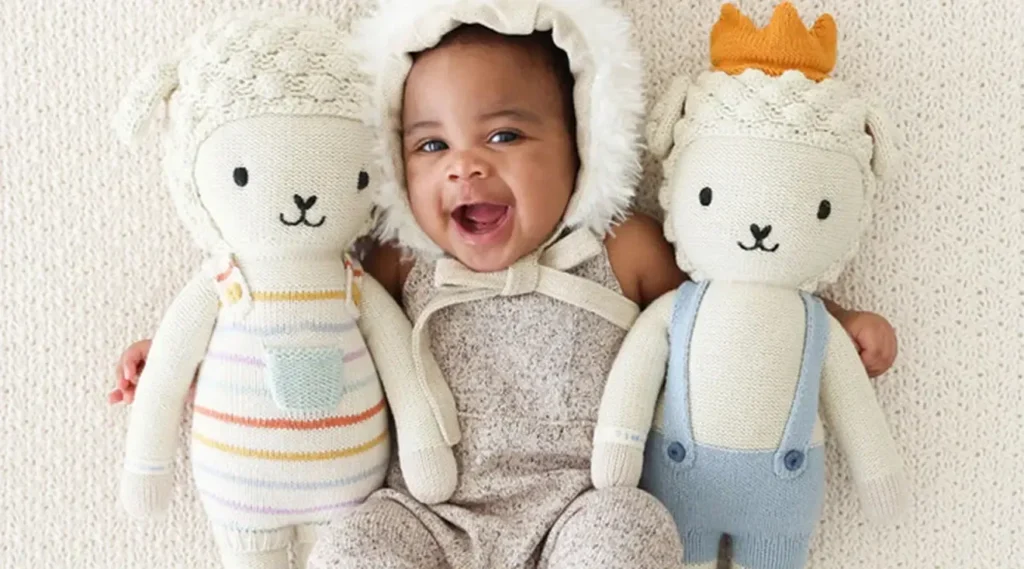
Manufacturers must balance cost, safety, and quality when choosing stuffing materials to meet market demands and ensure consumer satisfaction.
- Cost-Effective Materials: Polyester is a cost-effective choice, offering softness and durability without high production costs. It’s widely used for mass-produced plush toys.
- Quality Considerations: Higher-end plush toys often use wool or high-density polyester for better durability and feel, but at a higher cost.
- Safety Standards: All materials must adhere to safety standards, which can influence material choices. Hypoallergenic, non-toxic, and fire-resistant materials ensure consumer safety.
Manufacturers must balance cost-effective materials like polyester with safety standards and high-quality options like wool for premium plush toys.
| Stuffing Type | Cost | Quality | Safety Impact |
|---|---|---|---|
| Polyester Fiberfill | Low | Moderate | Non-toxic, widely used |
| Wool | High | Very High | Hypoallergenic, fire-resistant |
| Cotton | Moderate | Low | Eco-friendly, soft but less durable |
| Recycled Materials | Moderate | Moderate | Non-toxic, sustainable |
Choosing the right stuffing material is a balance of safety, cost, and quality to meet production goals.
Selecting the right stuffing for plush toys is crucial to ensure safety, durability, and an enjoyable sensory experience. Manufacturers must consider material properties, environmental impact, and production costs to create high-quality plush toys.
For expert plush toy manufacturing and customization, contact Amanda at [[email protected]] or visit [https://plushtoyinchina.com].