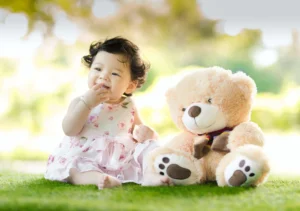
Softness defines the magic of plush toys, making them irresistible to children and collectors alike. Knowing what creates this softness helps brands deliver products that feel comforting and high-quality.
Plushie softness comes from a blend of fabric choice, stuffing quality, weave techniques, and manufacturing care. Each factor shapes the final feel, ensuring toys are cuddly, safe, and durable for all users.
Let’s explore the main factors that combine to give plushies their signature softness.
1. What Types Of Fabrics Contribute To The Softness Of Plushies?
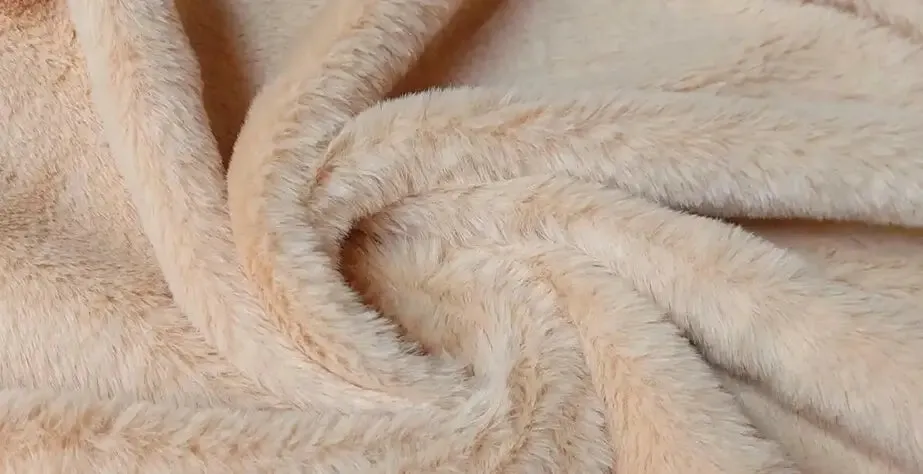
The fabric is the first touchpoint for softness in any plush toy. Several fabric types are specially chosen for their plush and gentle texture.
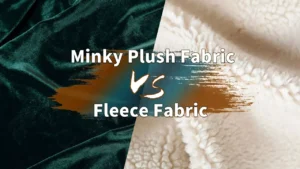
Common soft fabrics for plushies include minky, velvet, fleece, and velour, each providing distinct softness and tactile appeal.
Minky fabric is widely used due to its short, dense pile that feels smooth and silky. Velvet offers a soft but more glossy finish, favored for decorative plushies. Fleece is warm and fuzzy, often used for cuddly blankets and larger plush toys. Velour combines stretch and softness, giving toys a premium feel.
Manufacturers select fabrics based on softness, durability, cost, and target market. For babies and sensitive users, hypoallergenic and breathable materials like minky or fleece are preferred.
| Fabric Type | Texture | Typical Use | Softness Level |
|---|---|---|---|
| Minky | Ultra-soft, smooth | Baby toys, cuddle plushies | Very High |
| Velvet | Soft, glossy | Decorative plush dolls | High |
| Fleece | Thick, fuzzy | Warm toys, blankets | High |
| Velour | Soft, stretchy | Premium plush toys | High |
Understanding fabric choices helps ensure the plush toy’s surface feels inviting and comfortable for all users.
2. How Does The Quality Of Stuffing Affect Plushie Softness And Feel?
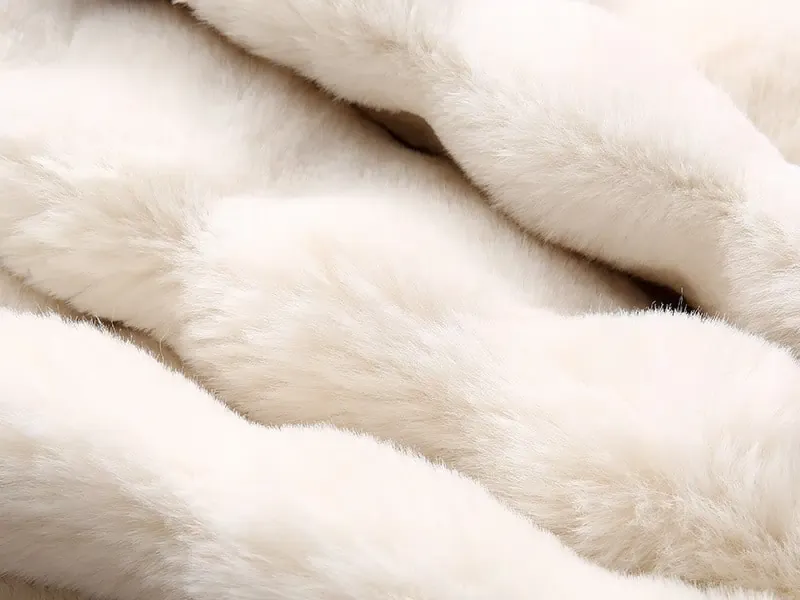
Stuffing inside plush toys determines their weight, softness, and bounce. Good stuffing is essential to plushies’ overall tactile quality.
High-quality stuffing like siliconized polyester fiberfill adds softness, resilience, and shape retention to plush toys.
Common stuffing materials include polyester fiberfill, cotton, wool, and specialty beads. Among these, polyester fiberfill is most popular due to its softness, lightweight nature, and hypoallergenic properties.
Stuffing quality depends on:
- Fiber type and fineness
- Density and loft (fluffiness)
- Processing methods to avoid clumps
Higher loft stuffing creates a soft, plush feel while maintaining shape. Low-quality stuffing may feel lumpy or hard, reducing comfort and appeal.
| Stuffing Material | Softness | Durability | Typical Use |
|---|---|---|---|
| Siliconized Polyester | Very soft | High | Standard plush toys |
| Cotton | Soft | Medium | Natural fiber plushies |
| Wool | Soft, dense | Medium-High | Specialty or artisanal plush |
| Beads (for weighted) | Firm | High | Sensory or weighted plushies |
Choosing premium stuffing enhances not only softness but also the toy’s lifespan and user satisfaction.
3. What Role Do Fabric Weaves And Finishes Play In Plush Texture?
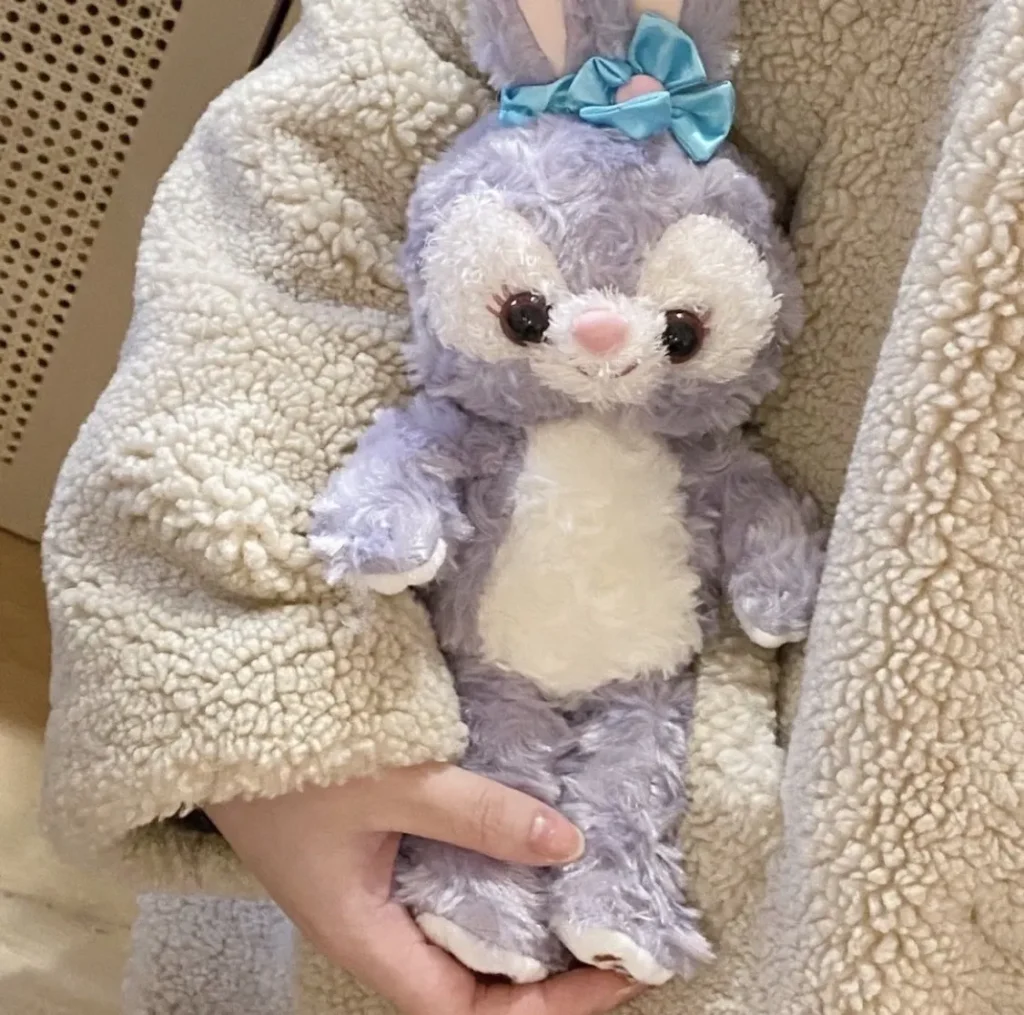
The way fabric is woven and finished greatly affects how soft and smooth the plush surface feels.
Tighter weaves and special finishing techniques like brushing create plush fabrics with superior softness and durability.
The pile length — how long the fibers stand up from the base fabric — influences tactile softness. Shorter piles feel smoother, while longer piles feel fluffier but may be less durable.
Brushing and shearing are finishing processes used to lift fibers and create a velvety surface.
| Fabric Aspect | Impact on Softness | Trade-offs |
|---|---|---|
| Weave Tightness | Tighter weave = smoother feel | May reduce stretch |
| Pile Length | Short pile = silky softness | Long pile = fluffy texture |
| Finishing (brushing) | Raises fibers for softness | Adds production cost |
By adjusting these factors, manufacturers balance softness, durability, and production efficiency.
4. How Do Manufacturing Processes Influence The Softness Of Plush Toys?
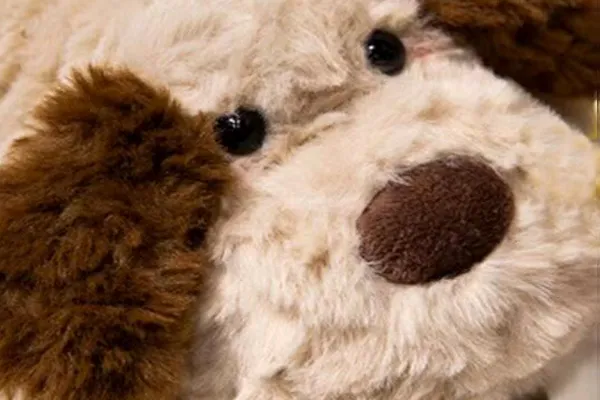
Softness is not only about materials but also how the toy is made. Skilled manufacturing ensures materials perform as expected.
Precision cutting, sewing, and stuffing processes preserve fabric softness and enhance the plush toy’s overall tactile experience.
Manufacturing steps that impact softness include:
- Cutting fabric to avoid damaging fibers
- Using appropriate thread and stitch types to prevent stiffness
- Evenly distributing stuffing to avoid lumps or hard spots
- Quality checks to maintain shape and softness consistency
Advanced factories like Kinwin use automation combined with manual inspection to balance efficiency and craftsmanship.
| Manufacturing Step | Impact on Softness | Quality Indicator |
|---|---|---|
| Fabric Cutting | Preserves fiber integrity | Smooth edges, no fraying |
| Sewing Techniques | Maintains plush flexibility | Soft seams, no puckering |
| Stuffing Process | Ensures uniform softness | Even fill, no lumps |
| Quality Control | Consistent product softness | Random sampling inspections |
Effective manufacturing protects material qualities, resulting in plush toys that feel soft and luxurious.
5. What Are The Industry Standards For Achieving Optimal Plush Softness?
Safety and quality standards guide manufacturers to ensure plush toys are soft yet safe and durable.
Standards like ASTM F963 and EN71 define tests for material softness, toxicity, flammability, and durability in plush toy production.
These standards require:
- Non-toxic, hypoallergenic fabrics and stuffing
- Flammability tests ensuring fabrics do not ignite easily
- Durability tests to simulate rough play and washing
- Chemical tests to confirm absence of harmful substances
Meeting these standards builds buyer confidence, especially in markets like the USA and Europe where Jessica Williams and similar customers demand certified safety.
| Standard | Focus Area | Softness-Related Requirements |
|---|---|---|
| ASTM F963 | Toy safety | Material softness & toxicity |
| EN71 | European toy safety | Flammability, durability |
| CPSIA | US consumer product safety | Lead content, allergens |
| OEKO-TEX Standard | Textile safety | Chemical safety and comfort |
Following these standards ensures plush toys are both soft and safe for children worldwide.
6. How Can Customization Enhance The Tactile Experience Of Plushies?
Customization goes beyond looks—it can also improve how a plush toy feels in the hand.
Using unique fabric blends, special finishes, and tailored stuffing densities can create plush toys that feel special and more comforting.
Customization options include:
- Mixing fabrics to add softness and durability in different areas
- Embossing or texturing fabric surfaces for tactile variety
- Adjusting stuffing firmness to match customer preference
- Adding sensory features like scented fabric or weighted filling
For B2B customers like Jessica Williams, these options help differentiate products and increase market appeal.
| Customization Type | Effect on Softness | Business Benefit |
|---|---|---|
| Fabric Blending | Balanced softness & durability | Unique product feel |
| Surface Texturing | Adds tactile interest | Enhanced sensory experience |
| Stuffing Adjustment | Customized firmness | Customer satisfaction |
| Sensory Add-ons | Multi-sensory plush toys | Higher perceived value |
Customization enables brands to offer plush toys that deliver comfort while meeting niche customer needs.
Softness in plushies combines fabric, stuffing, weaving, manufacturing, standards, and customization.
For expert plush toy production and customization solutions, contact Amanda at [[email protected]] or visit [https://plushtoyinchina.com].