Stuffing plays a critical role in plush toys, impacting their softness, durability, and safety. Understanding the types of stuffing materials used in plushies can help manufacturers and consumers make informed choices to enhance the quality and sustainability of their plush products.
The stuffing in plush toys is typically made from materials like polyester fiberfill, cotton, wool, or even recycled materials. Each stuffing type affects texture, durability, and safety. Manufacturers carefully choose materials that meet safety standards, ensuring softness and longevity while considering environmental impacts.
Now, let’s dive deeper into the most common types of stuffing used in plush toys and how they influence the final product.
1. What Are The Most Common Types Of Stuffing Used In Plushies?
When it comes to plush toys, the stuffing plays a vital role in ensuring the right texture, durability, and safety for the end consumer. The most commonly used stuffing materials include:
- Polyester Fiberfill: The most widely used stuffing for plush toys, offering a balance of softness, durability, and affordability.
- Cotton: A natural option that provides a soft, breathable filling, but tends to flatten faster than synthetic alternatives.
- Wool: Known for its firmness and ability to retain shape, wool is commonly used in higher-end, eco-conscious plush toys.
- Plastic Pellets: Often combined with fiberfill to provide weight and structure, making plush toys more durable and maintaining their shape.
- Recycled Materials: Increasingly used as an eco-friendly option, these materials help reduce plastic waste while maintaining quality.
Common stuffing materials for plushies include polyester fiberfill, cotton, wool, plastic pellets, and recycled materials, each contributing differently to softness, shape, and sustainability.
| Stuffing Type | Softness | Durability | Common Use | Environmental Impact |
|---|---|---|---|---|
| Polyester Fiberfill | High | Moderate | General use, budget-friendly | Low environmental impact |
| Cotton | Medium | Low | Organic toys, eco-friendly | Natural, biodegradable |
| Wool | Medium | High | Luxury toys, eco-conscious | High environmental cost |
| Plastic Pellets | Low | Very High | Weighted toys, sturdy structure | High environmental cost |
| Recycled Materials | Varies | Moderate | Eco-friendly toys | Low, sustainable choice |
Manufacturers choose based on price, durability, and eco-conscious goals.
2. How Do Different Stuffing Materials Affect Plushie Texture And Durability?
The type of stuffing used significantly impacts the texture and durability of plush toys, affecting both their tactile feel and how well they hold up to regular use.
- Polyester Fiberfill: This is soft and resilient, making plushies feel fluffy and cuddly. However, it can flatten over time, especially with frequent use.
- Cotton: Known for its softness and breathability, cotton stuffing offers a natural feel but tends to compress and lose shape quicker than synthetic fibers.
- Wool: Wool provides a firm, yet comfortable feel and is highly durable. It’s ideal for plush toys meant to retain their shape, but it’s less commonly used due to its cost and potential for allergies.
- Plastic Pellets: While these don’t contribute to softness, they add weight, improving structure and helping the plushie retain its shape over time.
Stuffing materials affect plush texture and durability; polyester is soft but flattens, cotton is breathable but compresses, while wool and pellets maintain firmness and shape.
| Stuffing Type | Texture | Durability | Best Use |
|---|---|---|---|
| Polyester Fiberfill | Soft | Moderate | General plushies, cuddly toys |
| Cotton | Soft | Low | Eco-friendly, organic toys |
| Wool | Firm | High | Luxury or specialty toys |
| Plastic Pellets | Firm | Very High | Weighted or structural toys |
Choosing the right stuffing ensures a plush toy feels great and lasts long.
3. What Is The Difference Between Polyester Fiberfill And Other Stuffing Materials?
Polyester fiberfill is the most commonly used stuffing material, but how does it compare to other options like cotton, wool, or plastic pellets?
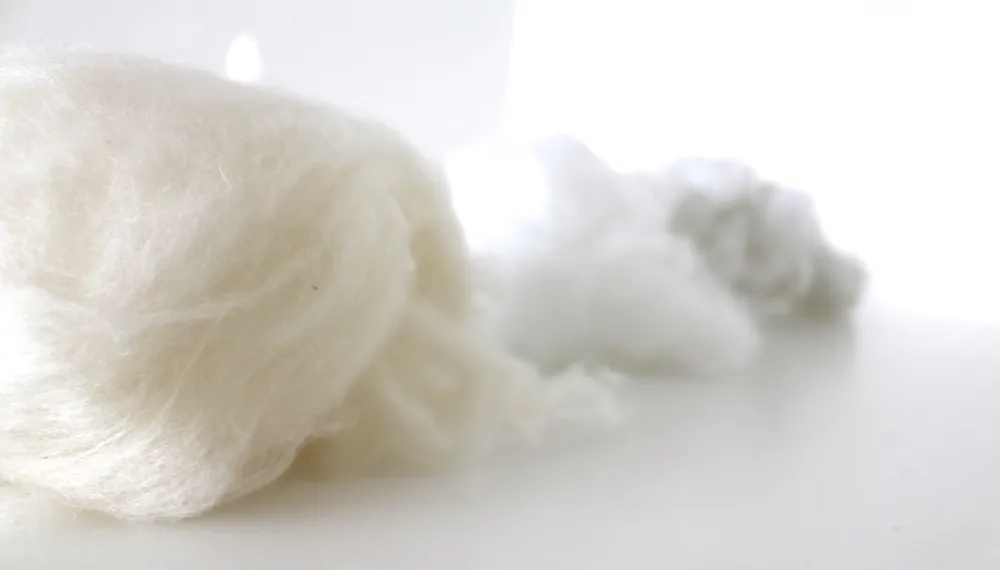
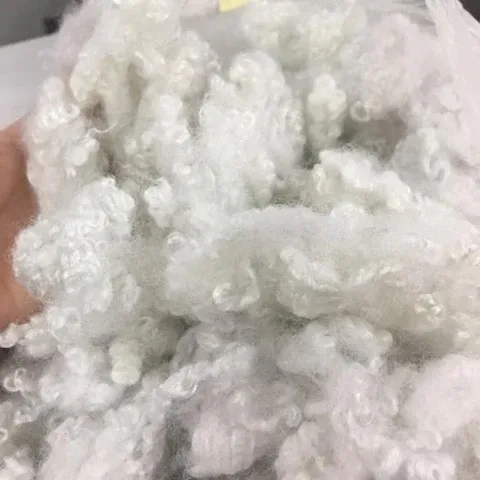
- Polyester Fiberfill: Synthetic and affordable, polyester is the go-to stuffing for plush toys. It’s soft, lightweight, and durable, but it’s less eco-friendly than natural materials.
- Cotton: A natural material, cotton offers breathability and a soft feel but may flatten and compress more quickly than polyester.
- Wool: Wool is firmer and more durable, offering high-quality plush toys that retain their shape. However, it is more expensive and less commonly used due to potential allergic reactions.
- Plastic Pellets: These are primarily used to provide weight and shape, but they’re not used to provide softness.
Polyester fiberfill is soft, lightweight, and affordable, while wool offers durability and shape retention, and cotton is eco-friendly but less durable.
| Stuffing Material | Softness | Durability | Cost | Best Use |
|---|---|---|---|---|
| Polyester Fiberfill | High | Moderate | Low | General use, budget-friendly |
| Cotton | Medium | Low | Moderate | Eco-friendly, organic toys |
| Wool | High | Very High | High | Luxury, high-end plush toys |
| Plastic Pellets | Low | Very High | Moderate | Weighted, structural toys |
Choosing the right stuffing material depends on the desired softness, durability, and budget.
4. How Do Manufacturers Ensure The Safety And Quality Of Plushie Stuffing?
Manufacturers follow strict safety standards and regulations to ensure the stuffing used in plush toys is both safe and of high quality. Here’s how:
- Compliance with Safety Standards: Stuffing materials must meet regulations such as CPSIA (Consumer Product Safety Improvement Act), ASTM (American Society for Testing and Materials), and EN71 (European Safety Standard).
- Hypoallergenic Materials: Manufacturers often use hypoallergenic materials like polyester fiberfill to prevent allergic reactions, especially in toys meant for children.
- Non-toxic Certification: All materials, including stuffing, must be non-toxic and free from harmful chemicals like phthalates and BPA.
- Rigorous Testing: Stuffing undergoes physical testing for durability, fire resistance, and safety to ensure it meets industry standards before it’s used in production.
Manufacturers ensure plushie stuffing is safe by adhering to safety standards, using hypoallergenic materials, and conducting rigorous testing for durability and non-toxicity.
| Safety Standard | Purpose | Testing Procedure | Materials Covered |
|---|---|---|---|
| CPSIA | Ensures toy safety for children | Testing for lead, phthalates | Stuffing, fabric, chemicals |
| ASTM | Ensures material quality | Material performance testing | Fiberfill, cotton, pellets |
| EN71 | European safety standard | Fire resistance, non-toxicity | Stuffing materials, textiles |
Complying with these standards is crucial for ensuring plushie safety.
5. What Are The Environmental Impacts Of Common Plushie Stuffing Materials?
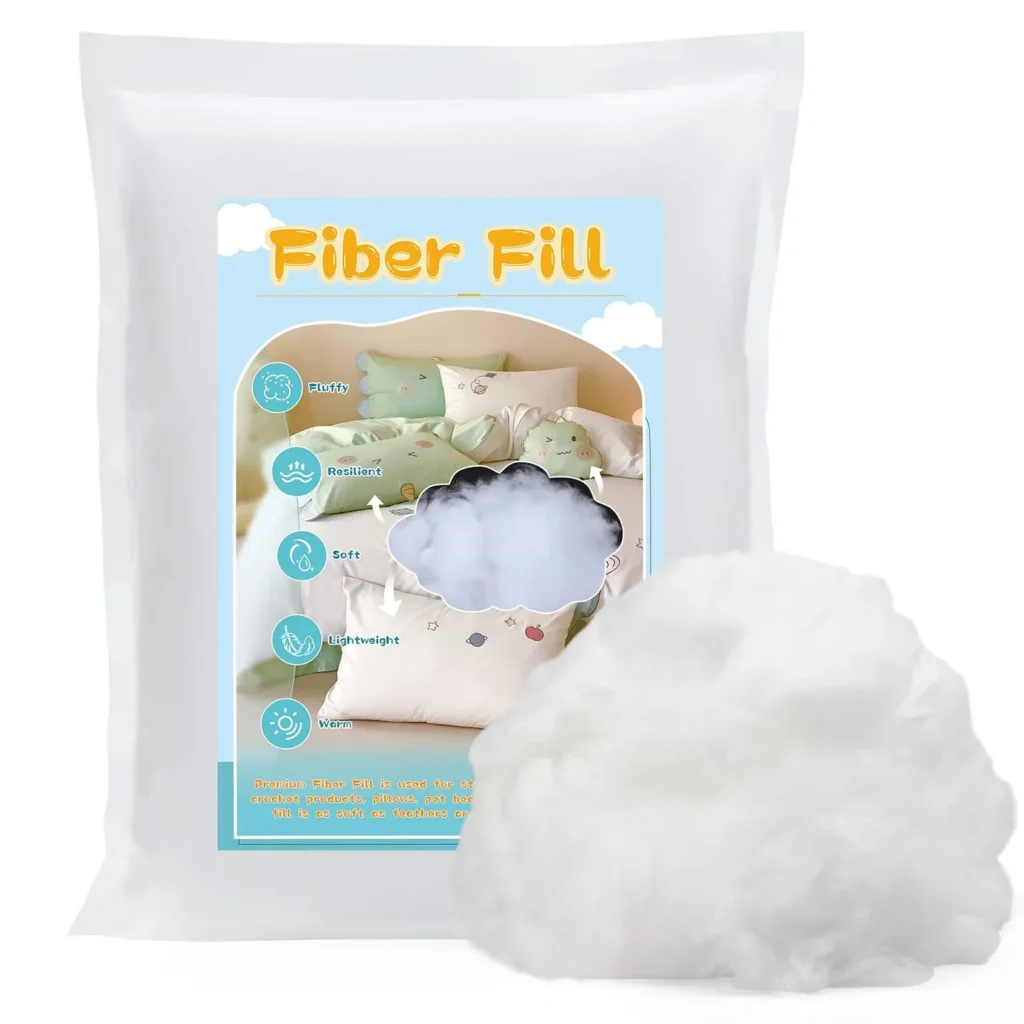
Sustainability is a growing concern in the plush toy industry, especially regarding the materials used for stuffing.
- Polyester Fiberfill: While affordable and durable, polyester fiberfill is a synthetic material that contributes to plastic waste. However, recycled polyester fibers from plastic bottles are gaining popularity as an eco-friendly alternative.
- Cotton and Wool: These natural materials are biodegradable and more sustainable, but they require more resources to grow and process, making them more expensive.
- Plastic Pellets: Often made from non-biodegradable plastics, pellets have a significant environmental impact unless they are made from recycled materials.
Polyester fiberfill, while durable, is less eco-friendly, while cotton and wool offer biodegradable options. Plastic pellets have a significant environmental impact unless recycled.
| Stuffing Material | Environmental Impact | Sustainability |
|---|---|---|
| Polyester Fiberfill | Synthetic, non-biodegradable | Recycled options available |
| Cotton | Biodegradable, renewable | Organic options are eco-friendly |
| Wool | Biodegradable, natural | High environmental cost |
| Plastic Pellets | Non-biodegradable | Recycled plastic options |
Choosing sustainable materials helps minimize the environmental footprint of plush toys.
6. How Can Stuffing Be Customized To Enhance The Sensory Experience Of Plushies?
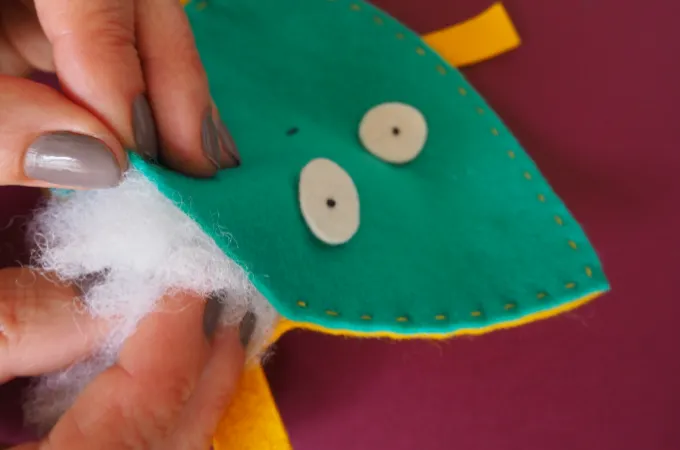
Customization is key when designing plush toys to meet specific sensory needs.
- Textured Stuffing: Using a combination of stuffing materials can create a textured feel. For example, mixing soft polyester with heavier pellets creates a more tactile experience.
- Scented Stuffing: Infused with soothing scents like lavender, some manufacturers offer stuffed toys with scent options to provide a calming effect.
- Noise-Making Stuffing: Certain plush toys incorporate noise-making materials, like squeakers or crinkly film, within the stuffing to stimulate a baby’s sense of hearing and engagement.
Stuffing can be customized to enhance sensory experiences through texture, scent, and noise-making elements, offering an interactive plushie experience.
| Customization Type | Feature | Effect |
|---|---|---|
| Textured Stuffing | Combination of materials | Provides tactile variety |
| Scented Stuffing | Infused with scents (e.g., lavender) | Calming and soothing |
| Noise-Making Stuffing | Squeakers, crinkly film | Stimulates hearing, engagement |
These customizations create interactive experiences, making plush toys more engaging for children.
Choosing the best stuffing for plushies is a balance of softness, durability, safety, and environmental responsibility. Thoughtful selection of materials ensures a plushie that’s both fun and safe for children, while also meeting sustainability goals.
For expert plush toy manufacturing, contact Amanda at [[email protected]] or visit [https://plushtoyinchina.com].