Choosing the best stuffing for plushies is essential to ensure softness, durability, and safety. The right stuffing material affects the feel, shape, and longevity of the toy, while also meeting health and environmental standards.
The best stuffing for plushies balances softness, durability, hypoallergenic qualities, and environmental impact. Common materials include polyester fiberfill, cotton, wool, and eco-friendly recycled fibers. Proper stuffing preserves the toy’s shape and ensures safety for children. Manufacturers must weigh cost and quality to deliver high-performing plush toys.
Let’s explore the key stuffing materials and their effects on plushie quality and safety.
1. What Are The Most Common Stuffing Materials Used In Plushies?
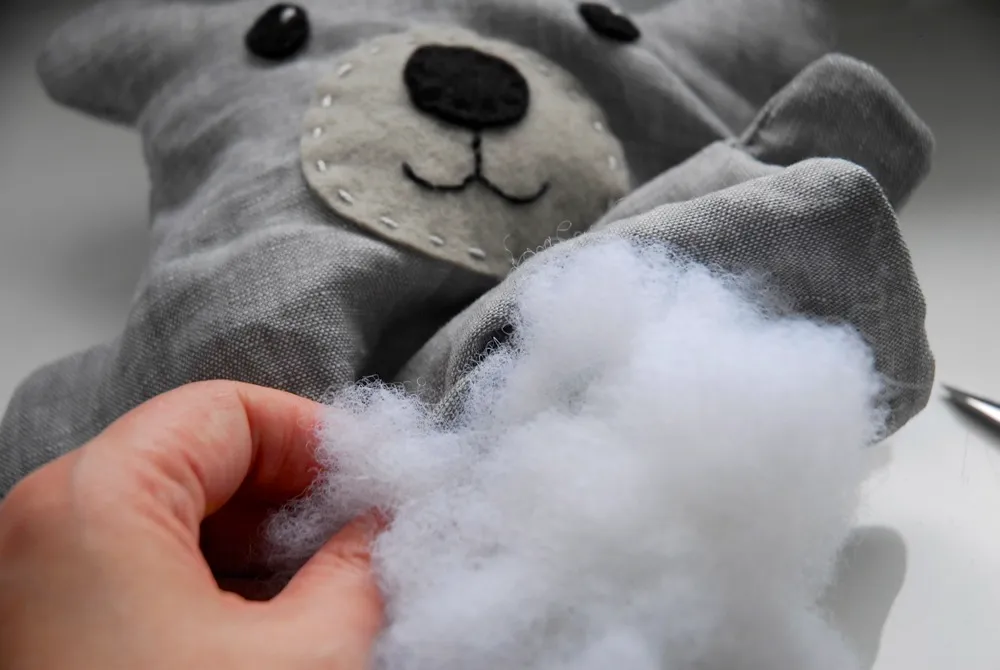
Plush toys are typically stuffed with materials that provide softness, resilience, and safety. The most common stuffing materials include:
- Polyester Fiberfill: This is the most widely used stuffing for plush toys. It is soft, lightweight, hypoallergenic, and easy to clean.
- Cotton: Natural cotton stuffing is breathable and soft but can be less durable than synthetic options.
- Wool: Wool offers a natural, firm stuffing choice that retains shape well but is less common due to cost and potential allergies.
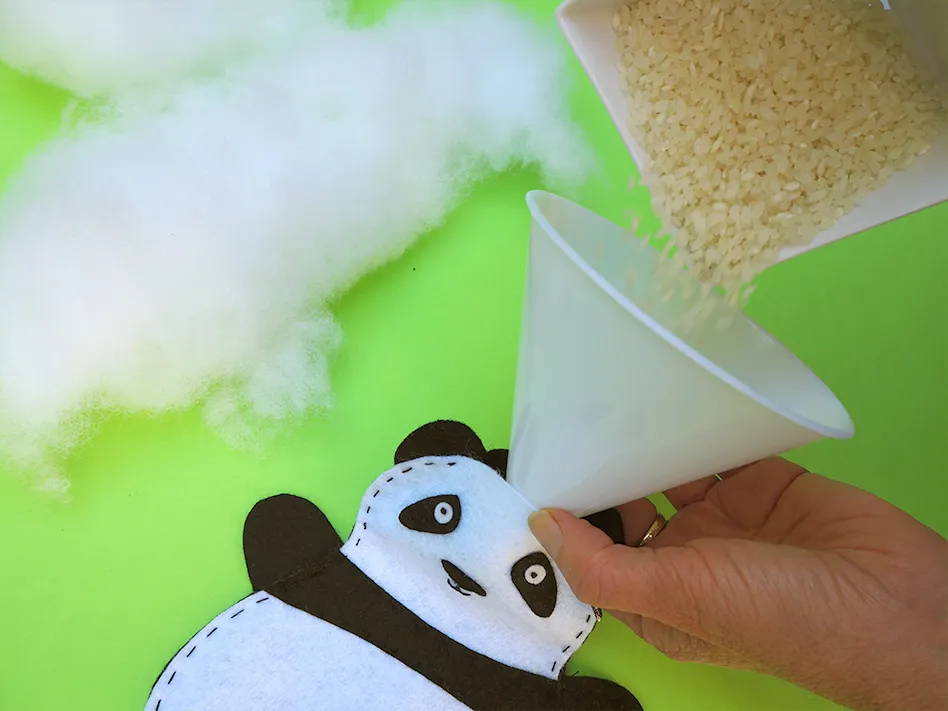
- Plastic Pellets: Used for adding weight and texture, pellets are often combined with fiberfill.
- Recycled Fibers: Eco-conscious manufacturers use recycled polyester fibers or blends to reduce environmental impact.
Common plushie stuffing materials include polyester fiberfill, cotton, wool, plastic pellets, and recycled fibers, each offering different softness, durability, and sustainability.
| Stuffing Material | Key Features | Advantages | Considerations |
|---|---|---|---|
| Polyester Fiberfill | Soft, lightweight, hypoallergenic | Easy to wash, affordable | May flatten over time |
| Cotton | Natural, breathable | Eco-friendly, soft | Less resilient, prone to clumping |
| Wool | Firm, natural fiber | Holds shape well | Expensive, potential allergies |
| Plastic Pellets | Adds weight and texture | Durable, moldable | Not soft alone, combined use |
| Recycled Fibers | Sustainable, soft | Environmentally friendly | May cost more, sourcing issues |
Manufacturers choose stuffing based on target market and toy use.
2. How Do Different Stuffing Types Affect Plushie Softness And Durability?
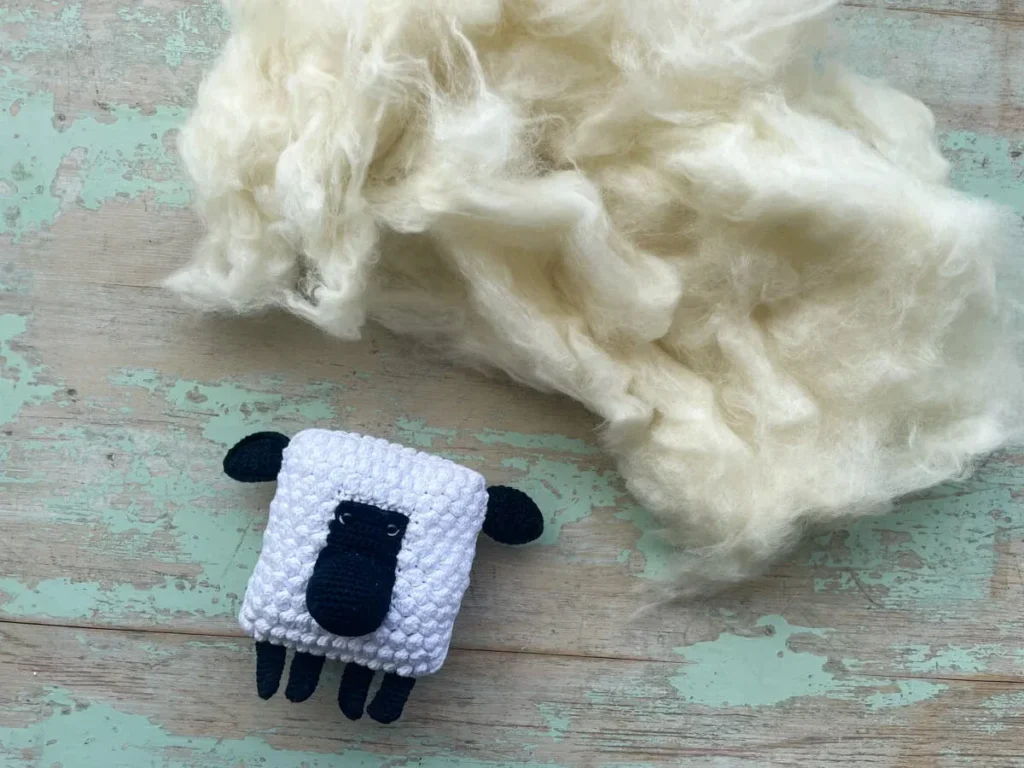
The choice of stuffing material greatly influences the plushie’s feel and lifespan.
- Softness: Polyester fiberfill provides a fluffy and cushy feel that appeals to children, making toys cuddly and comforting.
- Durability: Wool and plastic pellets enhance the toy’s structure and firmness, helping it keep its shape even after long-term use.
- Combination Stuffing: Many plushies use a blend—fiberfill for softness and pellets for weight—offering a balance between comfort and durability.
- Maintenance Impact: Some stuffing types hold up better against washing and drying, maintaining softness longer.
Stuffing affects plush softness and durability; fiberfill offers fluffiness, wool and pellets add firmness, and blends balance comfort with longevity.
| Stuffing Type | Softness Level | Durability | Best Use |
|---|---|---|---|
| Polyester Fiberfill | High | Moderate | Cuddly toys, children’s plush |
| Wool | Medium | High | Specialty plush, display toys |
| Plastic Pellets | Low | Very High | Weighted toys, structure |
| Combination | Adjustable | Balanced | General plushies |
Selecting the right stuffing ensures plushies meet user expectations.
3. Which Stuffing Options Are Best For Hypoallergenic And Child-Safe Plushies?
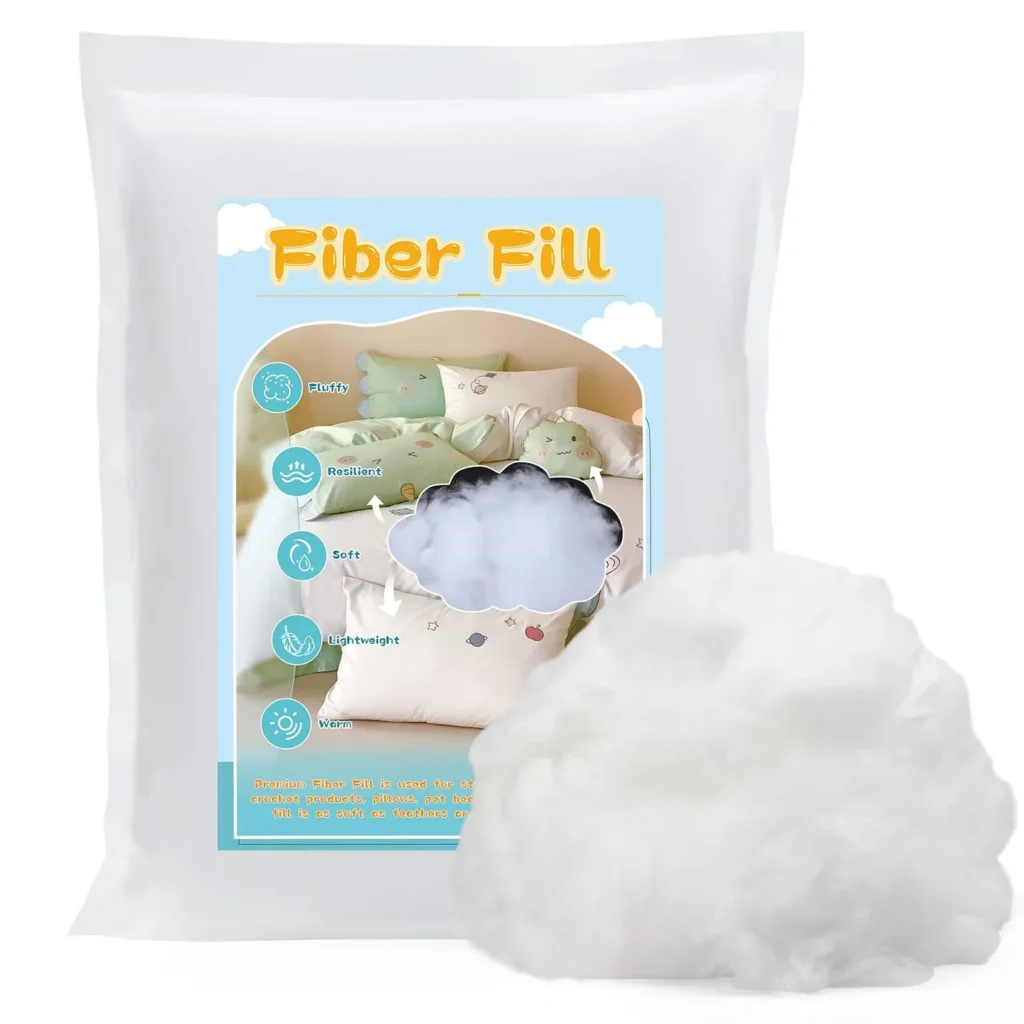
Safety is critical when selecting stuffing, especially for children’s toys.
- Hypoallergenic Fiberfill: High-quality polyester fiberfill is often hypoallergenic and resists dust mites, making it safe for sensitive users.
- Certified Organic Cotton: For extra care, organic cotton stuffing offers a natural and chemical-free option, reducing allergy risks.
- Avoidance of Hazardous Materials: Manufacturers avoid using materials treated with harmful chemicals or containing small parts that could pose choking hazards.
- Certification Compliance: Stuffing materials must comply with CPSIA, ASTM, and EN71 safety standards.
Hypoallergenic stuffing like certified polyester fiberfill and organic cotton ensures plushies are safe for children and allergy-sensitive users.
| Stuffing Material | Hypoallergenic? | Child Safety Features | Certifications |
|---|---|---|---|
| Polyester Fiberfill | Yes | Non-toxic, dust mite resistant | CPSIA, ASTM, EN71 |
| Organic Cotton | Yes | Chemical-free | OEKO-TEX, GOTS |
| Wool | Possible allergens | Natural fiber but less safe | Requires strict testing |
Choosing hypoallergenic stuffing enhances product safety and marketability.
4. How Does Stuffing Choice Impact The Shape Retention Of Plush Toys?
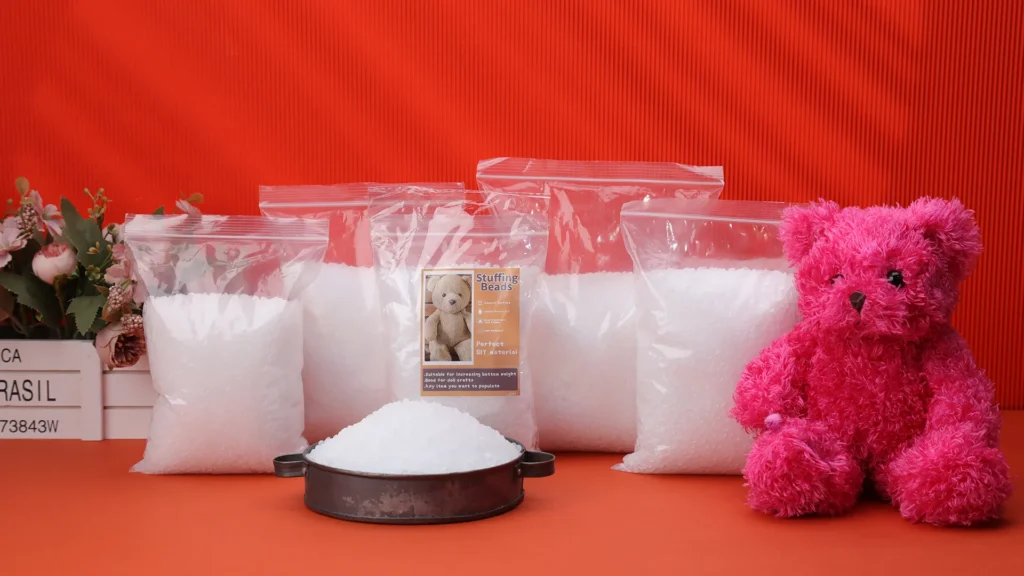
Maintaining shape is vital for plush toys’ appeal and usability.
- Fiberfill’s Limitation: While soft, polyester fiberfill can compress and flatten over time, especially with frequent use and washing.
- Role of Pellets: Adding plastic pellets in strategic areas (like limbs or base) improves shape and weight distribution.
- Wool’s Firmness: Wool stuffing maintains firmness but can be less forgiving in softness.
- Blended Filling: Combining different stuffing types helps maintain plushie shape and tactile softness, enhancing user satisfaction.
Stuffing impacts plush toy shape retention; pellets add weight and structure, fiberfill adds softness but may flatten, wool adds firmness.
| Stuffing Type | Shape Retention | Notes |
|---|---|---|
| Polyester Fiberfill | Moderate | Needs regular fluffing |
| Plastic Pellets | High | Supports structure |
| Wool | Very High | Firmer, less flexible |
| Combination | Balanced | Best for long-lasting plush |
Proper stuffing choices improve durability and customer satisfaction.
5. What Are The Environmental Considerations When Selecting Plushie Stuffing?
Sustainability is increasingly important for manufacturers and consumers.
- Recycled Polyester: Many manufacturers use recycled polyester fiberfill from plastic bottles, reducing landfill waste.
- Organic and Natural Fibers: Options like organic cotton or wool support eco-friendly production but may have higher costs.
- Biodegradable Fillings: Emerging materials aim to decompose naturally without polluting the environment.
- Supply Chain Impact: Selecting local or responsibly sourced materials reduces carbon footprint.
Eco-friendly stuffing includes recycled polyester, organic cotton, biodegradable fillings, and responsible sourcing to reduce environmental impact.
| Eco-Friendly Option | Environmental Benefit | Cost Implications |
|---|---|---|
| Recycled Polyester | Reduces plastic waste | Moderate cost |
| Organic Cotton | Chemical-free, renewable | Higher cost |
| Biodegradable Fillings | Decompose naturally | Emerging, variable cost |
| Responsible Sourcing | Lowers carbon footprint | Depends on supplier location |
Sustainable stuffing meets growing consumer demand for greener products.
6. How To Balance Cost And Quality When Choosing Stuffing For Plushies?
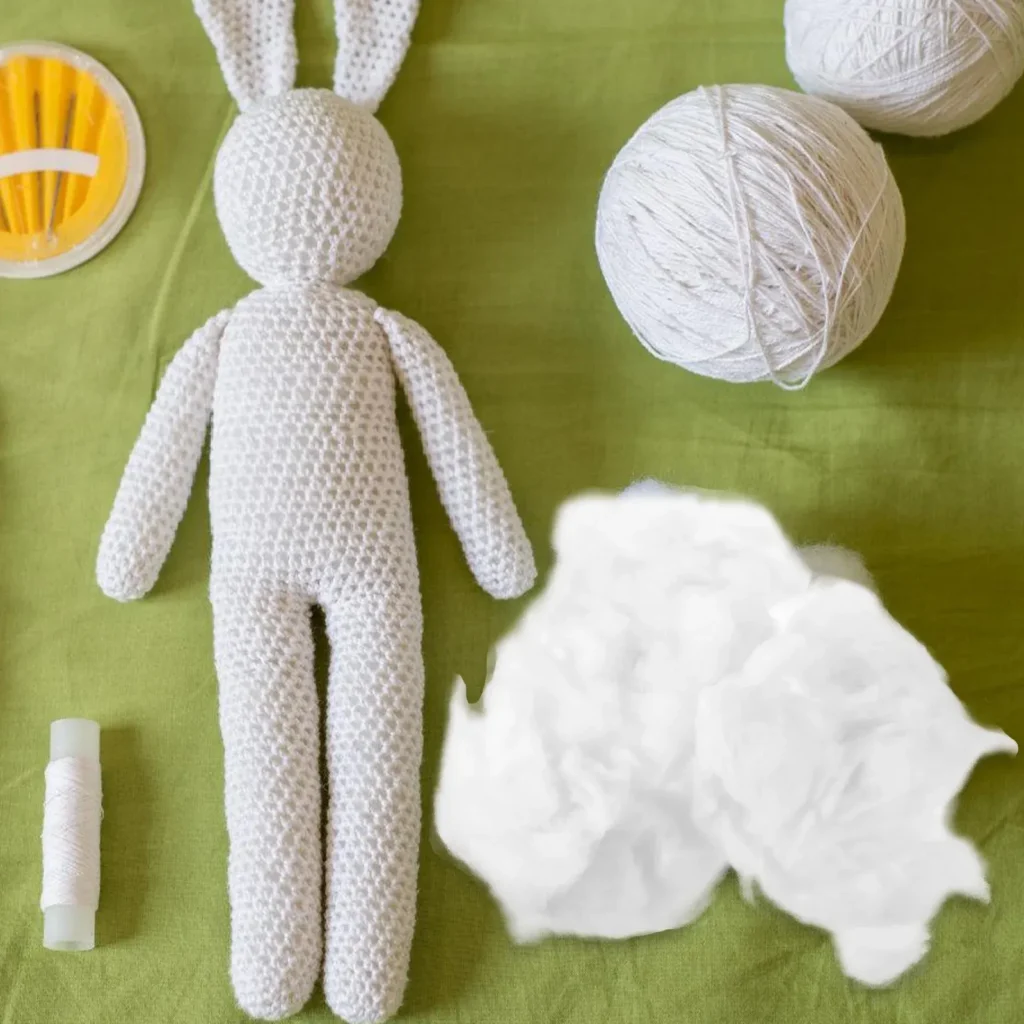
Balancing cost and quality is essential to meet market demands while ensuring profitability.
- Evaluate Target Market: Premium markets may demand organic or eco-friendly stuffing, while mass markets prioritize affordability.
- Bulk Purchasing: Buying stuffing materials in bulk reduces unit cost without compromising quality.
- Supplier Relationships: Long-term partnerships with trusted suppliers ensure consistent material quality and better pricing.
- Testing and Validation: Regular testing avoids costly returns or reputation damage due to poor stuffing quality.
- Material Blending: Combining different stuffing types can reduce costs while maintaining performance.
Balancing stuffing cost and quality involves assessing markets, bulk buying, strong supplier relations, testing, and material blending.
| Strategy | Benefit | Example |
|---|---|---|
| Market Assessment | Aligns material choice with buyer expectations | Organic for premium, polyester for mass market |
| Bulk Purchasing | Lowers unit price | Large-volume orders |
| Supplier Relationships | Stable quality and pricing | Trusted suppliers |
| Testing | Ensures reliability | Routine quality checks |
| Material Blending | Cost-effective performance | Fiberfill + pellets combo |
Smart stuffing choices keep plush toys competitive and profitable.
Selecting the best stuffing for plushies requires balancing softness, durability, safety, and environmental factors. Thoughtful choices ensure a high-quality, safe, and eco-conscious product that delights customers.
For expert plush toy manufacturing, contact Amanda at [[email protected]] or visit [https://plushtoyinchina.com].