Choosing the right filling is essential to making plush toys soft, durable, and safe. The filling largely determines the toy’s feel, weight, and lifespan, shaping the overall user experience.
Common plushie fillings include polyester fiberfill, cotton, wool, and pellets. Each type influences softness, durability, safety, and cost, all critical factors for delivering high-quality products.
Let’s explore these fillings in detail to understand how they affect plushie quality and why some materials are preferred over others.
1. What Are The Most Common Types Of Filling Used In Plushies?
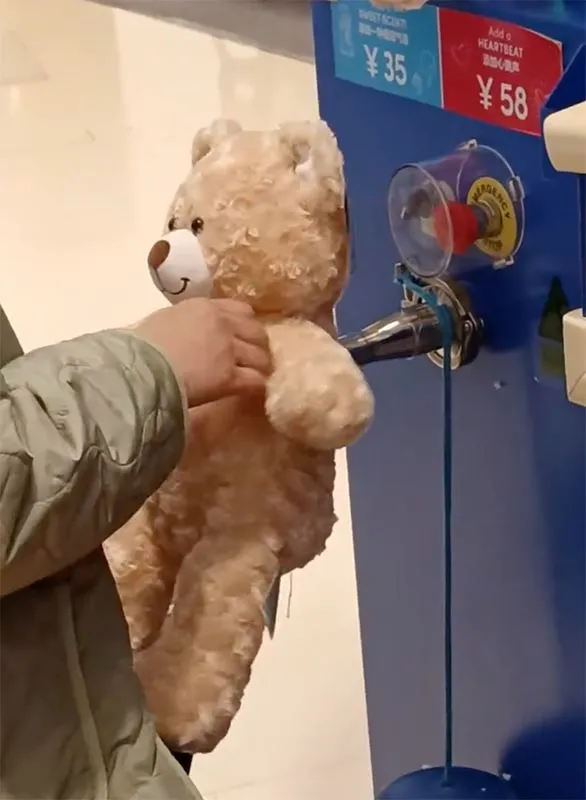
Soft toys rely on several types of filling materials, chosen for their distinct characteristics and suitability for different product uses.
The most popular fillings include polyester fiberfill, cotton, wool, and plastic pellets, each offering unique benefits in softness, weight, and durability.
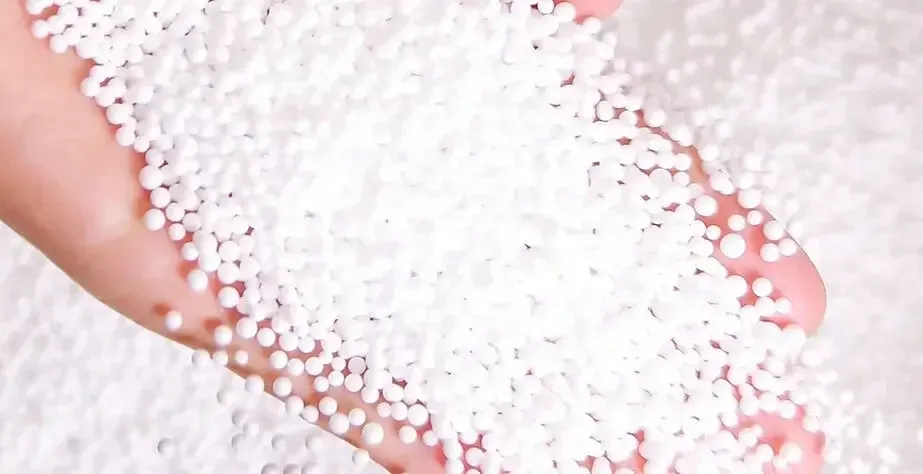
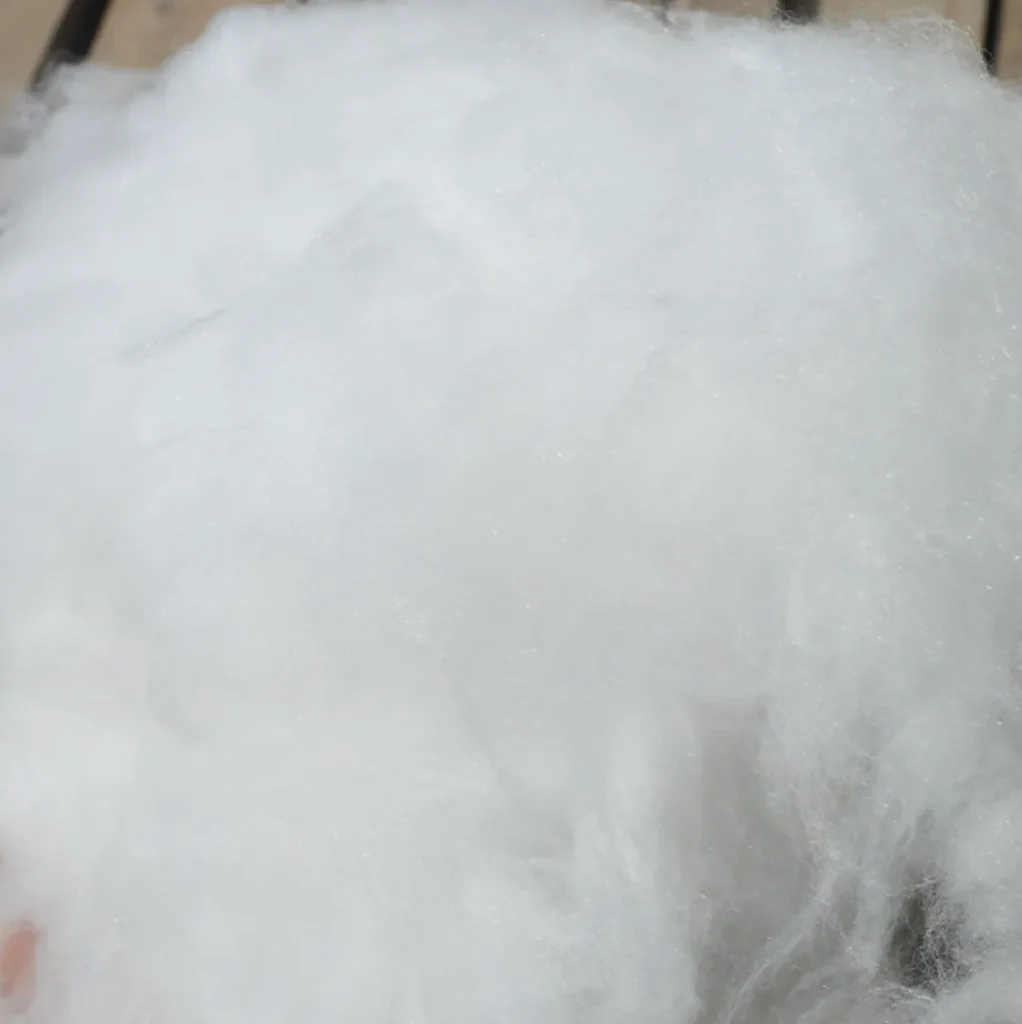
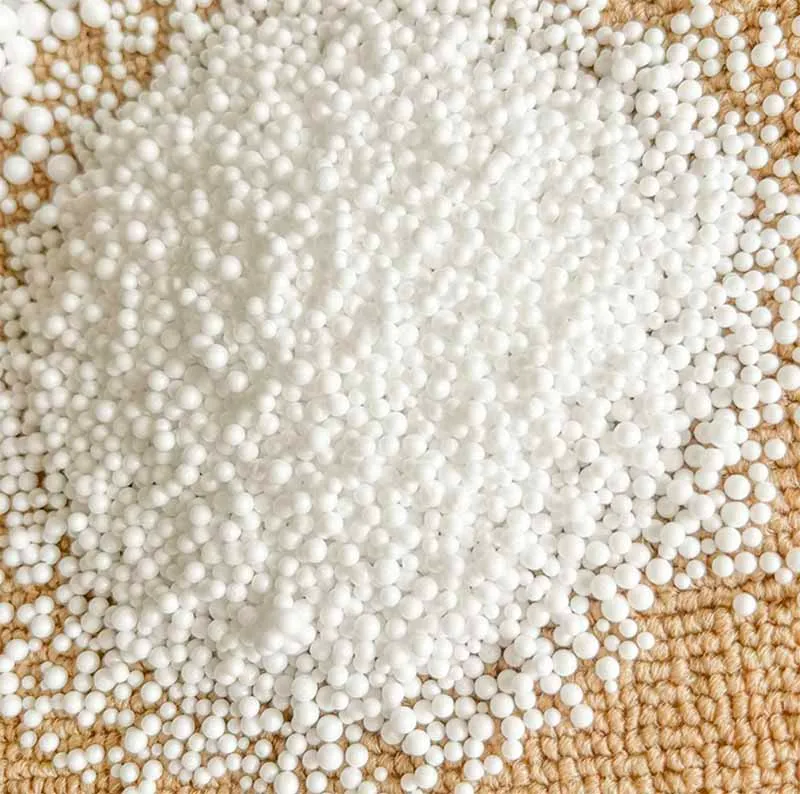
Polyester fiberfill dominates the industry due to its light weight, softness, and hypoallergenic qualities, making it the go-to choice for mass-produced toys worldwide. Cotton stuffing provides a natural alternative with breathable and soft qualities but tends to be heavier and less resilient over time. Wool offers dense warmth and is often reserved for premium or artisanal plushies but requires more care. Plastic pellets or beads add tactile weight and sensory stimulation, popular in weighted plushies designed for therapy or comfort.
Each filling type allows manufacturers to tailor the feel and function of plush toys to customer preferences, regulatory needs, and cost targets.
| Filling Material | Softness | Weight | Durability | Typical Use |
|---|---|---|---|---|
| Polyester Fiberfill | Very soft | Lightweight | High | Standard plush toys |
| Cotton | Soft | Medium-heavy | Medium | Natural fiber or artisanal toys |
| Wool | Dense | Medium | Medium-High | Premium or warm plushies |
| Plastic Pellets | Firm | Heavy | High | Weighted or sensory toys |
Understanding these options is key for selecting the best filling to meet diverse client and market demands.
2. How Do Different Fillings Affect Plushie Softness And Durability?
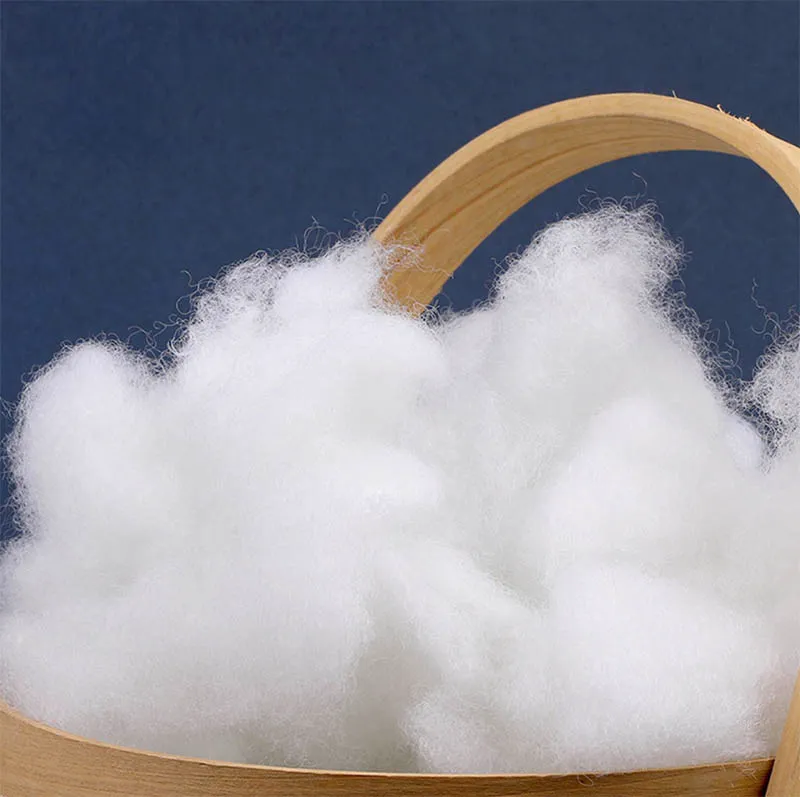
The choice of filling has a direct effect on how soft a plushie feels and how long it retains its shape and comfort.
Polyester fiberfill offers excellent softness with resilient shape retention, while natural fillings like cotton and wool provide warmth and softness but may compress or mat faster. Pellets add weight without softness.
Polyester fibers are siliconized to enhance fluffiness and reduce clumping, helping toys maintain their plush feel even after repeated use and washing. Cotton can absorb moisture, causing lumps and loss of shape if not properly maintained. Wool adds density and warmth but is prone to felting. Plastic pellets add a weighted feel that can be comforting but offer no cushioning or softness.
Choosing the right filling type and quality ensures that plushies remain soft, huggable, and visually appealing for years.
| Filling | Softness | Durability | Shape Retention |
|---|---|---|---|
| Polyester Fiberfill | Very High | High | High |
| Cotton | High | Medium | Medium |
| Wool | Medium | Medium | Medium |
| Plastic Pellets | Low | High | N/A |
Superior filling quality translates into better customer satisfaction and fewer product returns.
3. Which Fillings Are Best Suited For Baby-Safe And Hypoallergenic Plushies?
For toys intended for babies and sensitive users, safety and hypoallergenic properties are paramount.
Polyester fiberfill is the preferred filling for baby-safe plushies due to its non-toxic, hypoallergenic nature and compliance with stringent safety standards.
Cotton, especially when organic, can be hypoallergenic but must be carefully processed to avoid allergens. Wool is less commonly used in baby toys due to potential allergic reactions. Plastic pellets must be securely enclosed to prevent choking hazards.
Compliance with safety standards such as ASTM F963, CPSIA, and EN71 is essential to ensure fillings do not pose health risks.
| Filling | Hypoallergenic | Safety Certifications | Notes |
|---|---|---|---|
| Polyester Fiberfill | Yes | ASTM, CPSIA, EN71 | Widely accepted for baby toys |
| Cotton | Usually | OEKO-TEX, GOTS | Organic preferred |
| Wool | Sometimes | Limited | May trigger allergies |
| Plastic Pellets | Yes | ASTM, CPSIA | Must be safely enclosed |
Choosing safe, certified fillings builds trust with parents and retailers alike.
4. How Does Filling Density Influence Plushie Shape Retention And Feel?
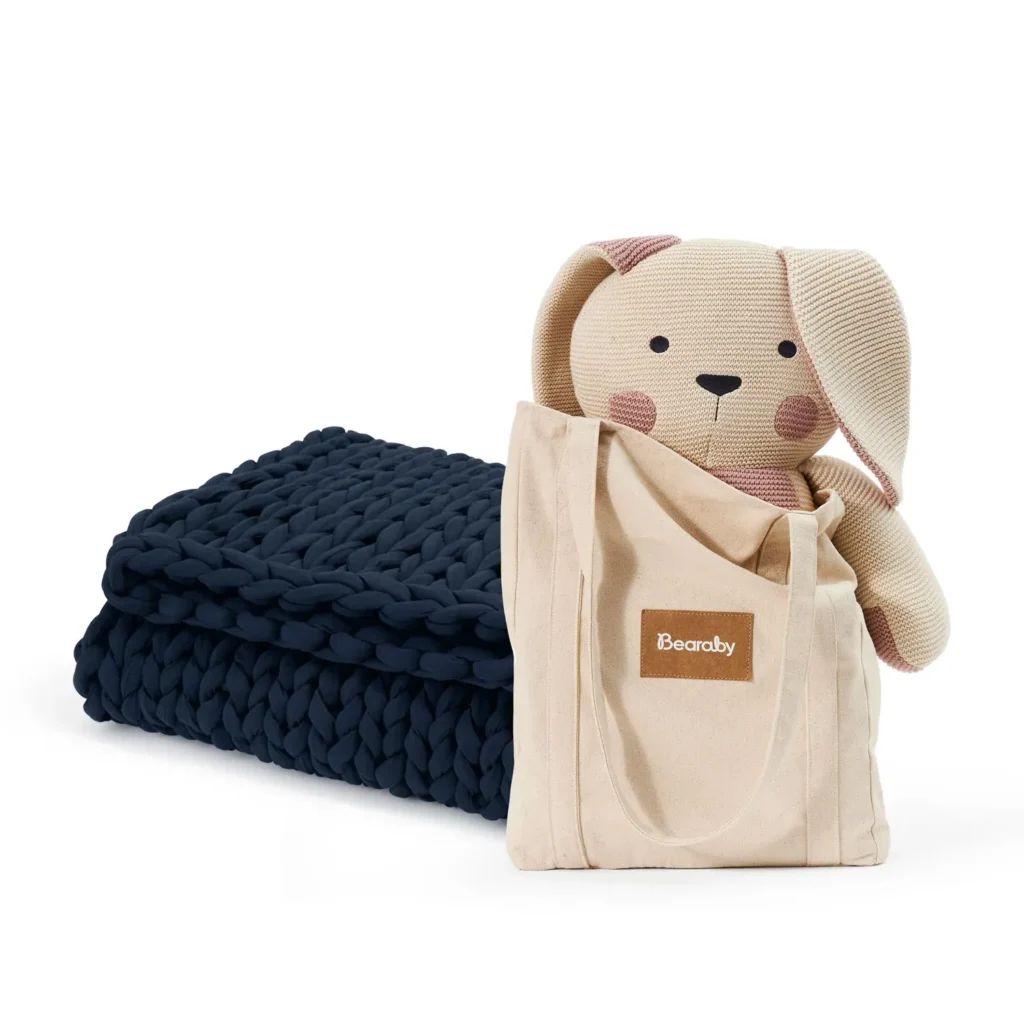
The density of filling material significantly affects a plushie’s firmness, softness, and ability to maintain shape.
Higher density fillings provide firmness and strong shape retention, while lower density fillings produce softer, more cuddly plushies but with less structural support.
Manufacturers must carefully balance density to ensure plush toys feel comfortable and maintain their shape after repeated use. Overly dense filling can make toys stiff and less huggable, while under-filling results in floppy, unsatisfying products.
| Density Level | Feel | Shape Retention | Typical Use |
|---|---|---|---|
| High Density | Firm, supportive | Excellent | Decorative plush, pillows |
| Medium Density | Balanced soft and firm | Good | Most standard plush toys |
| Low Density | Very soft, floppy | Poor | Some baby or novelty plushies |
Optimal density enhances both tactile experience and durability, increasing customer satisfaction.
5. What Are The Environmental Considerations When Choosing Plushie Filling?
Sustainability is a growing concern, influencing filling material selection in the plush toy industry.
Recycled polyester fiberfill offers a more eco-friendly alternative to virgin polyester by reducing plastic waste and carbon footprint. Natural fibers like organic cotton and wool provide biodegradable options but come with resource-use trade-offs.
Organic cotton production avoids pesticides but requires significant water. Wool is renewable and biodegradable but depends on animal agriculture impacts. Synthetic fibers tend to last longer but are not biodegradable unless recycled.
Manufacturers must balance cost, availability, performance, and environmental impact to satisfy increasingly eco-conscious consumers.
| Filling Type | Environmental Impact | Sustainability Notes |
|---|---|---|
| Virgin Polyester Fiberfill | High plastic and energy use | Non-biodegradable |
| Recycled Polyester Fiberfill | Lower carbon footprint | Helps reduce plastic waste |
| Organic Cotton | Biodegradable, less pesticide use | Water intensive cultivation |
| Wool | Renewable, biodegradable | Animal welfare considerations |
Incorporating sustainable fillings aligns products with modern consumer values and regulatory trends.
6. How Can Manufacturers Balance Cost, Quality, And Safety In Filling Selection?
Balancing price, quality, and safety is crucial for successful plush toy filling choices.
Polyester fiberfill generally provides the best compromise of low cost, consistent quality, and safety certifications, making it ideal for most mass-produced plush toys.
Natural fibers like cotton and wool offer premium appeal but come at higher costs and require more careful handling. Safety certifications must never be compromised, especially for children’s products.
Manufacturers should source from reputable suppliers and conduct thorough testing to ensure all fillings meet or exceed required standards. This approach helps meet buyer expectations like those of Jessica Williams, who demand safety, customization, and quality.
| Factor | Polyester Fiberfill | Natural Fibers | Pellets |
|---|---|---|---|
| Cost | Low-Medium | Medium-High | Medium |
| Quality | Consistent | Variable | Consistent |
| Safety | Certified | Certified | Certified |
| Availability | High | Moderate | High |
Well-informed filling choices lead to plush toys that delight customers while optimizing production efficiency.
Selecting the best filling balances softness, durability, safety, and sustainability for premium plush toys.
For trusted advice and customized plush filling solutions, contact Amanda at [[email protected]] or visit [https://plushtoyinchina.com].