

Dog toys come with a variety of stuffing materials that greatly affect their durability, safety, texture, and overall play experience. Knowing these stuffing options helps manufacturers and buyers select the best materials for different dog behaviors and preferences.
Common stuffing materials used in dog toys include polyester fiberfill, cotton, plastic pellets, foam, and eco-friendly alternatives like recycled fibers. Each type impacts toy softness, durability, and safety. Aggressive chewers need stronger stuffing such as heavy-duty fiberfill or securely enclosed pellets. Manufacturers rigorously test stuffing for safety and compliance with standards like ASTM and CPSIA to ensure toys are safe and enjoyable for dogs.
Let’s delve into the main stuffing materials and their effects on dog toys.
1. What Are The Most Common Stuffing Materials Used In Dog Toys?

The most popular stuffing materials for dog toys balance softness, durability, safety, and cost-effectiveness.
- Polyester Fiberfill: This synthetic filling is lightweight, soft, and hypoallergenic. It’s ideal for plush, cuddly toys but may compress with heavy use.
- Cotton and Natural Fibers: Used in some toys for their softness and breathability. However, cotton tends to clump and break down faster under vigorous chewing.
- Plastic Pellets or Beans: Small plastic beads add weight and tactile interest. These are often enclosed in separate compartments to prevent ingestion hazards.
- Foam Inserts: Provide firmness and structure, often used in chew-resistant or interactive toys. Foam can degrade with prolonged chewing.
- Recycled and Sustainable Materials: Emerging options include recycled polyester and organic fibers, offering eco-friendly alternatives without compromising durability.
Different stuffing types are chosen depending on the target dog size, chewing habits, and toy design.
| Stuffing Material | Characteristics | Typical Use |
|---|---|---|
| Polyester fiberfill | Soft, lightweight | Most plush dog toys |
| Cotton | Natural, breathable | Toys for gentle chewers |
| Plastic pellets | Adds weight and texture | Weighted or sensory toys |
| Foam inserts | Firm and supportive | Durable chew or interactive toys |
| Recycled fibers | Eco-friendly, variable durability | Sustainable product lines |
Selecting the right stuffing helps manufacturers create toys that match different play styles and durability needs.
2. How Do Different Stuffing Types Affect Durability And Safety?

Stuffing materials play a crucial role in the lifespan and safety of dog toys.
- Polyester fiberfill offers cushioning and softness but may flatten or leak through seams under heavy chewing.
- Cotton stuffing feels natural but wears out faster, leading to clumping and possible ingestion hazards.
- Plastic pellets increase durability by adding weight and resistance but can pose choking risks if the toy is damaged.
- Foam inserts maintain shape but can break apart, so they must be securely encased.
- Recycled fibers vary widely in durability but generally match or exceed synthetic fillers with environmental benefits.
Manufacturers combine stuffing with reinforced stitching and durable fabrics to maximize toy safety and longevity.
| Stuffing Type | Durability | Safety Considerations |
|---|---|---|
| Polyester fiberfill | Moderate | Low allergen risk |
| Cotton | Low | Clumping risk |
| Plastic pellets | High | Must be securely contained |
| Foam | Moderate | Potential ingestion hazard |
| Recycled fibers | Moderate to high | Comparable to polyester |
Durability and safety must be balanced to ensure safe, long-lasting toys.
3. Which Stuffing Materials Are Best Suited For Aggressive Chewers?
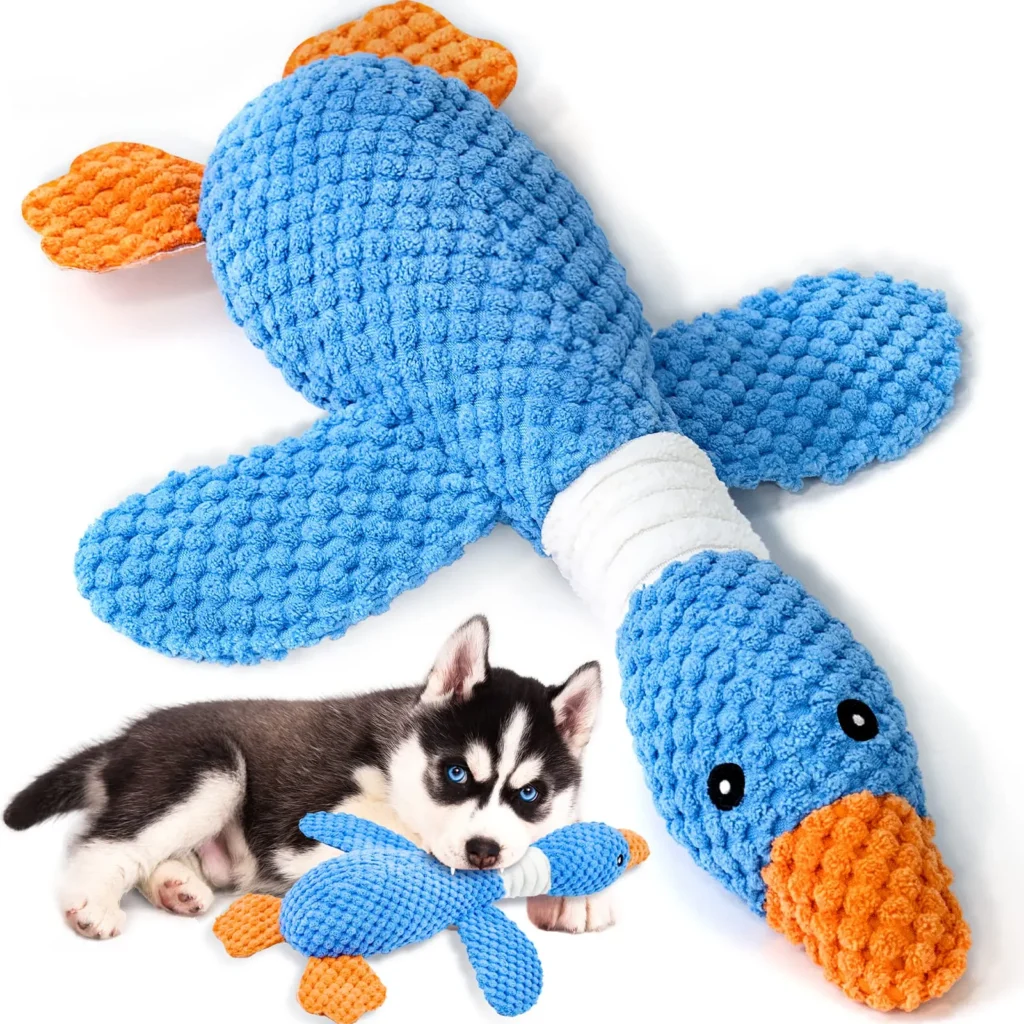
Aggressive chewers require toys stuffed with materials that withstand rough play without falling apart.
- Heavy-duty polyester fiberfill blends are tightly packed for resilience.
- Plastic pellets in multiple sealed compartments add toughness and interest.
- Foam cores surrounded by tough fabrics provide shape and strength.
- Additional reinforcements like ballistic nylon liners enhance durability.
Avoid soft fillers like cotton or loosely packed fiberfill, which degrade quickly and expose stuffing, increasing ingestion risks.
Choosing durable stuffing minimizes replacement frequency and improves dog safety.
| Material | Suitability for Aggressive Chewers | Key Benefits |
|---|---|---|
| Heavy-duty fiberfill | Excellent | Resilient, holds shape |
| Plastic pellets | Good (if enclosed properly) | Weight and resistance |
| Foam core | Moderate | Firmness and shape |
| Cotton | Poor | Easily destroyed |
Durable stuffing is vital for tough, safe toys.
4. How Does Stuffing Influence The Toy’s Texture And Dog’s Engagement?

The stuffing determines how a toy feels and responds, impacting a dog’s interest and playtime.
- Soft fiberfill creates cuddly, squeezable toys that comfort gentle chewers.
- Plastic pellets produce a crunchy, weighted texture that encourages chewing and sensory play.
- Foam inserts give firmness suitable for fetch and tug activities.
- Mixed stuffing types combine softness and resilience, offering varied sensory experiences.
Matching stuffing texture with dog preference increases engagement and satisfaction.
| Stuffing Type | Texture | Dog Engagement |
|---|---|---|
| Fiberfill | Soft and plush | Comfort, cuddling |
| Plastic pellets | Crunchy, weighted | Interactive chewing |
| Foam | Firm | Durable play |
| Mixed | Combination | Multi-sensory stimulation |
Well-chosen stuffing enhances toy appeal and play value.
5. What Are Eco-Friendly Stuffing Alternatives For Sustainable Dog Toys?

Sustainability is increasingly important for manufacturers and consumers.
- Recycled polyester fiberfill: Made from post-consumer plastics, durable and eco-friendly.
- Organic cotton: Grown without chemicals, biodegradable, softer but less durable.
- Natural wool: Renewable and breathable but may require treatment for allergies.
- Kapok fiber: A lightweight, natural plant fiber that’s soft and sustainable.
- Bio-based foams: Derived from plants, reducing petroleum use and environmental impact.
Brands integrating eco-friendly stuffing appeal to environmentally conscious buyers and reduce ecological footprints.
| Eco-Friendly Stuffing | Description | Environmental Benefit |
|---|---|---|
| Recycled polyester | Made from recycled plastics | Diverts waste from landfills |
| Organic cotton | Chemical-free fiber | Sustainable agriculture |
| Wool | Natural, renewable fiber | Biodegradable and renewable |
| Kapok fiber | Plant-based soft fill | Renewable and biodegradable |
| Bio-based foams | Plant-derived foams | Reduces fossil fuel dependency |
Sustainable stuffing supports green product lines and corporate responsibility.
6. How Do Manufacturers Test And Ensure The Safety Of Stuffing Materials?
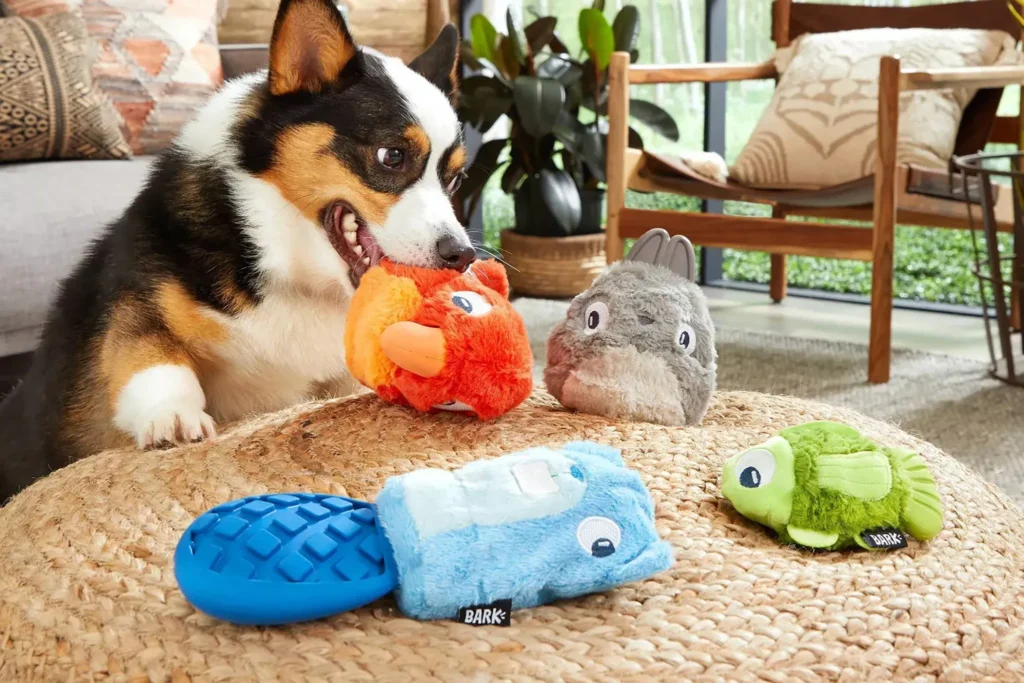
Manufacturers employ rigorous testing to guarantee stuffing safety:
- Chemical testing: Detects harmful substances like heavy metals, phthalates, and formaldehyde.
- Allergen screening: Identifies potential allergens to protect sensitive dogs.
- Physical testing: Assesses durability, tear resistance, and containment.
- Certification: Compliance with ASTM F963, CPSIA, EN71, and OEKO-TEX ensures global safety standards.
- Traceability: Batch records enable quick response to quality or safety issues.
Third-party labs often validate tests, enhancing consumer confidence and regulatory compliance.
| Testing Type | Purpose | Outcome |
|---|---|---|
| Chemical analysis | Detect toxins | Safe stuffing materials |
| Allergen testing | Identify irritants | Hypoallergenic products |
| Physical testing | Assess durability | Long-lasting stuffing |
| Certification | Ensure compliance | Market access and safety |
Strict testing ensures dog toys remain safe and reliable.
Choosing appropriate stuffing materials balances durability, safety, texture, and sustainability in dog toys. Understanding these factors enables manufacturers and buyers to deliver safe, engaging, and eco-friendly plush toys.
For trusted dog plush toy manufacturing and customization, contact Amanda at [[email protected]] or visit [https://plushtoyinchina.com].