Turning drawings into stuffed animals is a fascinating journey from 2D art to 3D plush toys. It requires skilled design, precise pattern making, and careful material choices to bring illustrations to life with quality and accuracy.
The process of transforming 2D drawings into stuffed animals involves converting flat artwork into three-dimensional patterns, selecting appropriate materials that preserve details, developing prototypes for testing, and refining designs before production. This ensures the final plush toy matches the original vision while meeting safety and durability standards.
Let’s dive deeper into the key steps and considerations to successfully create plush toys from drawings.
1. What Is The Process For Translating 2D Drawings Into 3D Plush Designs?
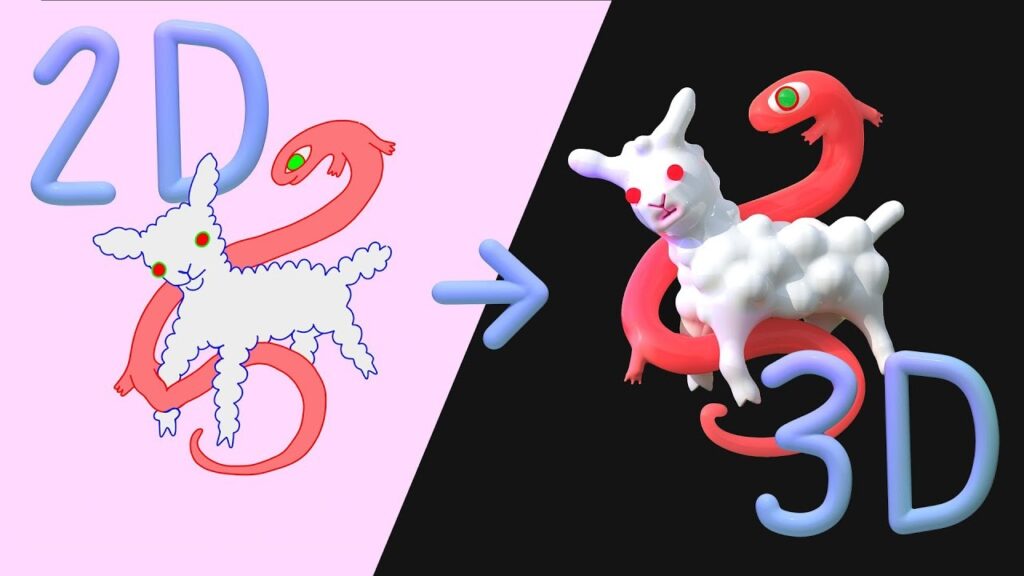
Turning a 2D drawing into a 3D stuffed animal starts with understanding the artwork’s shapes, proportions, and unique features. Designers then imagine how the flat design can be modeled in three dimensions. This involves sketching new views, deciding how parts connect, and planning the structure.
- Designers analyze the drawing’s key shapes and details.
- They conceptualize the toy’s volume and pose in 3D space.
- Technical sketches outline different angles and parts needed.
- This foundation helps pattern makers draft templates that will form the plush toy.
Translating drawings requires interpreting flat designs into three-dimensional forms through conceptual sketches and structural planning.
Understanding the artist’s vision is essential. A simple cartoon character might need exaggerated features, while a realistic drawing demands accurate proportions.
Designers break down complex illustrations into basic shapes like spheres, cylinders, and cones. These help visualize the stuffed animal’s volume and how fabric pieces will come together.
Multiple sketches from different angles guide pattern makers. For instance, front, side, and back views reveal details for sewing and shaping.
Communication between designers and pattern makers is critical to avoid misinterpretation.
This creative and technical collaboration transforms a flat drawing into a lifelike plush figure.
| Step | Description | Purpose |
|---|---|---|
| Analyze Drawing | Study shapes and details | Capture essential features |
| Conceptualize 3D | Sketch multiple angles | Visualize toy volume |
| Plan Structure | Determine connected parts | Guide pattern making |
| Collaborate | Designer and pattern maker exchange | Ensure design accuracy |
2. How Do Designers Create Accurate Patterns From Artistic Illustrations?
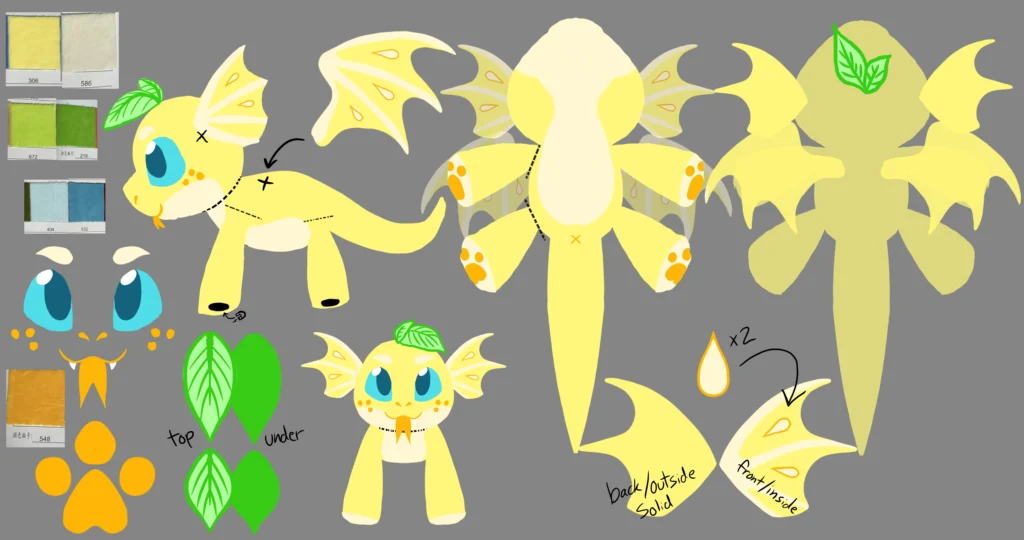
Patterns are templates for cutting fabric pieces that form the plush toy. Creating accurate patterns from illustrations involves:
- Translating 3D sketches into flat pattern pieces.
- Mapping out seams and shapes to reflect the drawing’s contours.
- Considering fabric stretch and plush texture in the design.
- Making adjustments to maintain proportions and ease of assembly.
This step requires both artistic sensibility and technical skill.
Pattern making converts 3D designs into flat templates that account for fabric behavior and sewing constraints
A pattern maker starts with the 3D conceptual sketches and breaks them into sections like head, body, arms, and legs.
Each section is “flattened” into 2D shapes with seam allowances added for stitching. These pieces must fit precisely when sewn together.
The nature of plush fabric affects pattern design. Stretchy or thick fabrics may require extra allowance.
Pattern accuracy ensures the toy keeps the drawing’s proportions and intended look.
Prototypes made from these patterns reveal any needed tweaks before full production.
| Pattern Aspect | Consideration | Impact |
|---|---|---|
| Flattening 3D Shapes | Convert volume to flat pieces | Accurate fabric cutting |
| Seam Placement | Plan stitching lines | Shape and durability |
| Fabric Behavior | Account for stretch and thickness | Fit and finish |
| Adjustments | Refine for assembly ease | Smooth production |
3. What Materials And Techniques Best Capture The Original Drawing’s Details?
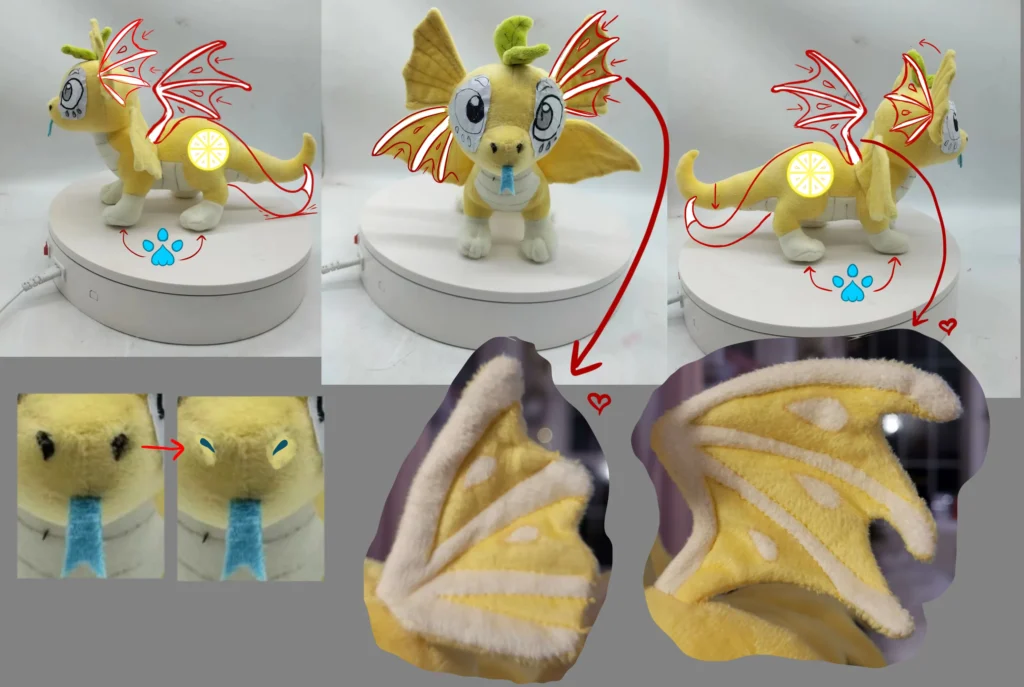
Selecting the right materials and sewing techniques brings out the drawing’s unique features:
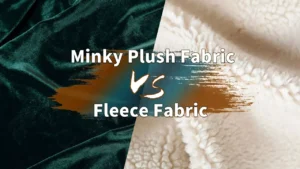
- Fabrics like velour, minky, or faux fur add texture matching the drawing’s style.
- Embroidery and appliqué detail eyes, noses, and patterns precisely.
- 3D elements like wings or tails use structured fabrics and stuffing.
- Color matching is essential for faithful reproduction.
Attention to these details enhances the plush toy’s resemblance and appeal.
Material and technique choices highlight design details, texture, and color to reflect the original drawing.
Velour and minky fabrics offer softness and sheen similar to many drawings’ textures.
Embroidery adds durable and high-quality detail for facial features, avoiding loose parts that pose safety risks.
Appliqué fabric pieces can mimic patterns or markings from the illustration.
Structured parts like wings may use felt or foam inserts for shape.
Dyeing or printing fabric matches colors exactly, keeping brand consistency.
The right combination brings the drawing to life as a tactile, lovable toy.
| Material/Technique | Purpose | Benefit |
|---|---|---|
| Velour/Minky Fabric | Soft, plush texture | Tactile appeal |
| Embroidery | Durable detailed features | Safety and quality |
| Appliqué | Pattern reproduction | Visual accuracy |
| Structured Inserts | Shape creation | Realistic 3D elements |
| Custom Dyeing | Color matching | Brand consistency |
4. How Are Prototypes Developed And Refined Before Mass Production?
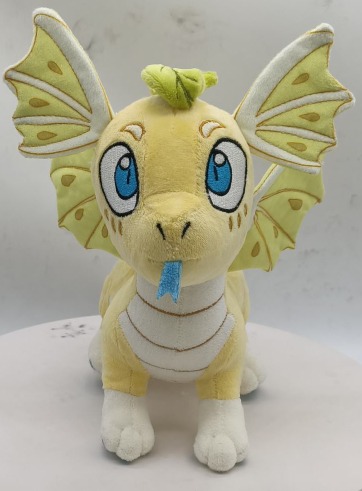
Prototyping tests and improves the design before large-scale manufacturing:
- Initial prototypes are sewn from patterns to evaluate shape and detail.
- Designers and clients review prototypes for accuracy and appeal.
- Adjustments are made to patterns, materials, or construction techniques.
- Several prototype versions may be created to perfect the product.
- Final approval triggers the production process.
This iterative approach ensures quality and customer satisfaction.
Prototypes validate design and function, enabling refinements before mass production.
Prototype creation is a hands-on process where the first physical model is evaluated.
Design flaws, proportion errors, or material mismatches become evident.
Clients can request changes to better align with brand identity or customer expectations.
Multiple prototypes improve shape retention, stitching durability, and detail accuracy.
Final prototypes become a standard for quality during production.
This phase minimizes costly mistakes and production delays.
| Prototype Phase | Activity | Outcome |
|---|---|---|
| First Prototype | Initial sewing and assembly | Physical evaluation |
| Review & Feedback | Client and designer input | Design improvements |
| Pattern/Material Adjustments | Refine technical details | Enhanced fit and appearance |
| Final Prototype | Approval for production | Manufacturing standard |
5. What Are The Common Challenges In Converting Drawings To Stuffed Animals?
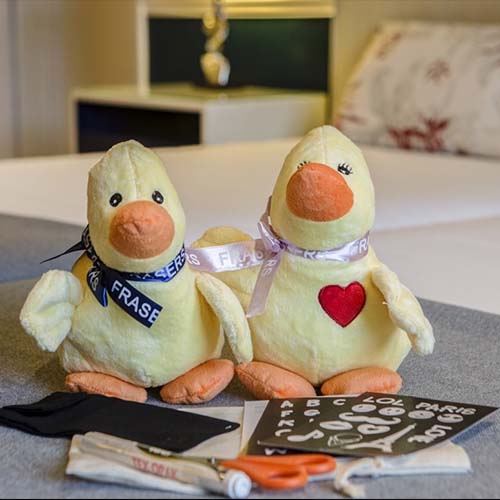
Several challenges arise when moving from 2D drawings to plush toys:
- Maintaining proportions and character personality in 3D.
- Translating flat details like patterns or expressions into tactile forms.
- Selecting materials that balance appearance, softness, and durability.
- Managing cost without sacrificing design quality.
- Ensuring safety compliance with small parts and embellishments.
Overcoming these needs collaboration, experience, and innovation.
Key challenges include preserving design essence, material choice, cost control, and safety adherence.
Proportion distortion can make toys look odd or lose character charm.
Complex patterns require clever embroidery or appliqué solutions.
Softness and durability must be balanced to meet consumer expectations and safety rules.
Budget limits may restrict material options, so strategic compromises are needed.
Safety standards often prohibit certain details, pushing designers to innovate alternatives.
Teamwork between artists, designers, and manufacturers is vital to address these issues.
| Challenge | Impact | Solution |
|---|---|---|
| Proportion Accuracy | Visual appeal | Detailed 3D conceptualization |
| Detail Translation | Feature fidelity | Advanced embroidery/appliqué |
| Material Selection | Comfort and longevity | Testing and balance |
| Cost Management | Profitability | Strategic sourcing |
| Safety Compliance | Market access | Certified safe designs |
6. How Can Customization Enhance Brand Identity Through Unique Plush Creations?
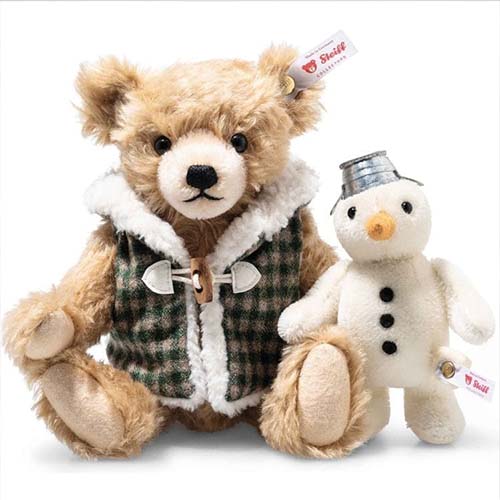
Customization strengthens brand presence and customer connection by:
- Offering exclusive designs aligned with brand values.
- Incorporating logos, color schemes, or unique features.
- Tailoring sizes, materials, and packaging to market segments.
- Enabling special editions or collaborations.
- Creating emotional attachment through personalized plush toys.
Customized plush toys become memorable brand ambassadors.
Unique customization fosters brand loyalty and distinct market positioning.
Exclusive designs differentiate your brand in a crowded market.
Logos embroidered on toys or tags reinforce brand recognition.
Color choices matching corporate identity create consistency across product lines.
Special editions appeal to collectors and drive urgency.
Personalized toys strengthen emotional bonds, leading to repeat purchases.
Custom packaging and unboxing experiences add to brand storytelling.
| Customization Aspect | Purpose | Brand Benefit |
|---|---|---|
| Exclusive Designs | Stand out in market | Competitive advantage |
| Logo & Colors | Reinforce identity | Brand recognition |
| Size & Material Options | Target specific consumers | Market relevance |
| Special Editions | Increase demand | Customer excitement |
| Personalized Touch | Build loyalty | Repeat business |
Converting drawings into plush toys blends creativity, technical skill, and strategic customization for market success.
For expert support, contact Amanda at [[email protected]] or visit [https://plushtoyinchina.com].