

Wrapping stuffed toys carefully enhances their appeal and protects them during storage, shipping, and display. Choosing proper materials and methods ensures a lasting, attractive presentation that benefits both sellers and customers.
Effective stuffed toy wrapping requires selecting the right materials, matching wrapping methods to toy size and shape, and using techniques that protect without sacrificing aesthetics. Integrating branding, sustainable options, and optimized packaging for shipping and retail display are key to creating a memorable unboxing experience that increases customer satisfaction and brand loyalty.
In this detailed guide, we’ll explore how to wrap stuffed toys professionally, balancing protection, presentation, and sustainability.
1. What Are The Essential Materials Needed For Wrapping Stuffed Toys?
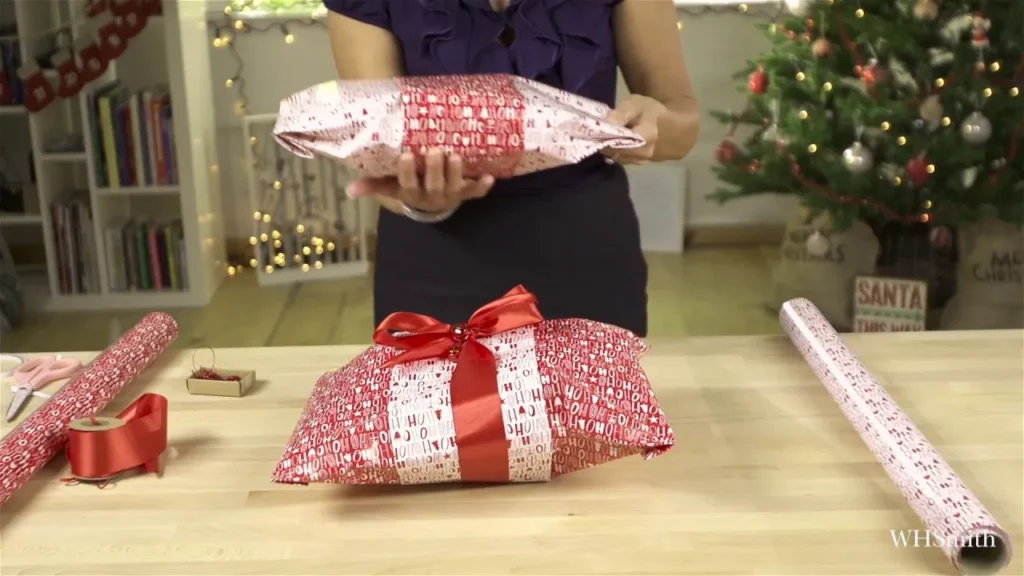
Selecting suitable wrapping materials is the foundation for protecting plush toys while enhancing their visual appeal.
Clear or tinted cellophane is popular for protecting the toy from dust and moisture while maintaining full product visibility. It comes in varying thicknesses, with tear-resistant options preferred for better durability.
Decorative ribbons, often satin or grosgrain, add color and branding opportunities. These ribbons can be printed with logos or taglines to enhance brand identity.
Gift boxes or fabric bags offer structural protection, preventing deformation especially for larger or delicate toys. Boxes may include custom inserts like molded pulp or foam to hold toys securely.
Inside cushioning such as tissue paper, shredded paper, or eco-friendly bubble wrap protects delicate parts and adds to the unboxing experience.
Choosing materials that balance protection, cost, sustainability, and aesthetics improves overall customer perception.
| Material | Purpose | Features |
|---|---|---|
| Cellophane | Dust/moisture protection | Transparent, tear-resistant |
| Decorative ribbons | Enhance appearance and branding | Various colors/textures |
| Gift boxes/bags | Structural support | Durable, customizable |
| Cushioning | Protection and presentation | Soft, recyclable options |
High-quality materials prevent damage, boost shelf appeal, and provide a satisfying unboxing moment.
2. How To Choose The Right Wrapping Method Based On Toy Size And Shape?
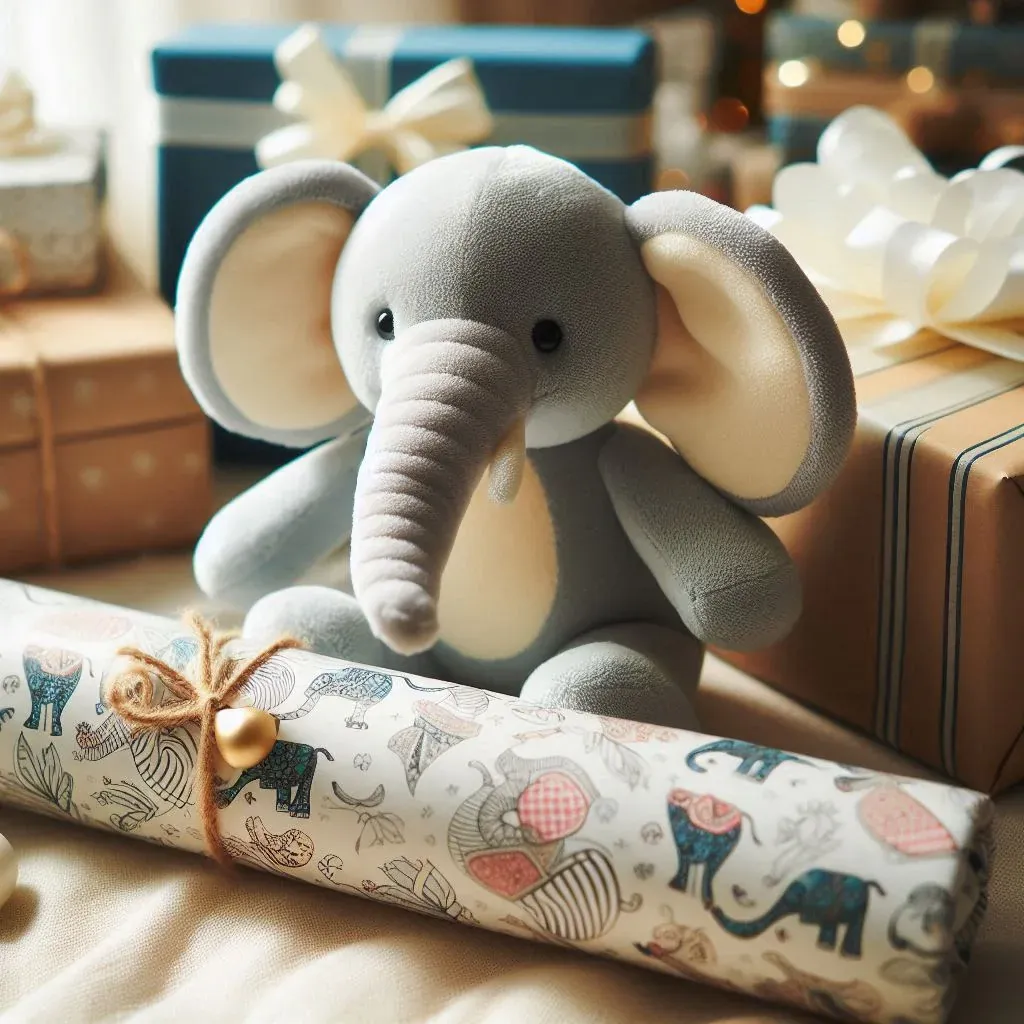
The wrapping technique should align with the stuffed toy’s size, shape, and fragility to balance protection and presentation.
For small to medium plush toys with simple shapes, a classic cellophane wrap tied with a decorative ribbon is cost-effective and attractive. This allows the toy to be fully visible while protected from dirt and handling damage.
Larger toys or those with irregular shapes benefit from custom-fitted gift boxes. These boxes should allow slight clearance for cushioning materials to maintain shape and prevent crushing.
Windowed boxes with transparent panels provide an ideal solution for collectible or delicate toys, combining protection with visibility.
For eco-conscious brands or reusable packaging, drawstring fabric bags or reusable boxes are alternatives that reduce waste and appeal to green consumers.
Choosing the correct method saves material costs and enhances the retail presentation, directly influencing sales.
| Toy Size/Shape | Recommended Wrapping Method | Advantages |
|---|---|---|
| Small/medium, regular | Cellophane wrap with ribbon | Clear view, low cost |
| Large or irregular | Custom gift box with cushioning | Superior protection |
| Collectible/delicate | Windowed or blister packaging | Safe and showcase product |
| Eco-friendly option | Reusable fabric bags | Sustainable, premium feel |
Matching wrapping method to toy specifics optimizes customer satisfaction and reduces waste.
3. Which Techniques Ensure Protection While Maintaining Aesthetic Appeal?
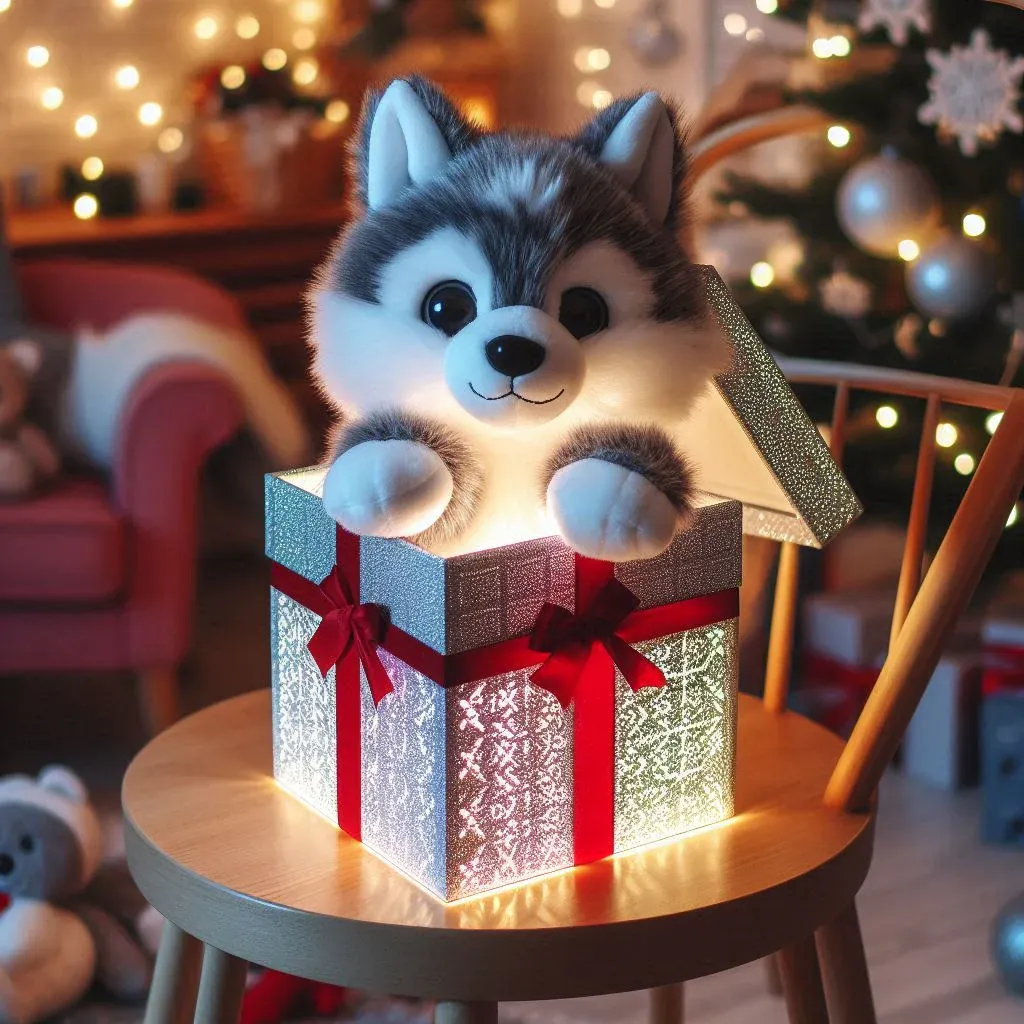
Wrapping techniques play a pivotal role in securing the toy and creating an eye-catching package.
When using cellophane, gathering the film snugly around the plush toy and securing it with a quality ribbon or decorative tie prevents shifting. Adding a layer of tissue paper inside cushions the toy and softens any pressure points.
Boxes should be filled with shredded paper, foam peanuts, or molded inserts to immobilize the toy and prevent damage during shipping and handling.
Attention to detail, such as neat edges, symmetrical bows, and brand color coordination, significantly enhances the perceived value and makes the product stand out.
Using heat sealing or high-quality adhesives on wrapping edges prevents tears and maintains a polished finish.
| Wrapping Technique | Purpose | Effect |
|---|---|---|
| Tight cellophane wrap | Prevents product movement | Reduces damage risk |
| Internal cushioning | Protects delicate parts | Maintains toy shape |
| Decorative finishing | Improves visual appeal | Increases customer delight |
| Secure seals | Enhances durability of wrap | Prevents premature tearing |
Well-executed wrapping elevates product presentation and reduces damage-related returns.
4. How To Incorporate Branding And Customization Into Stuffed Toy Wrapping?
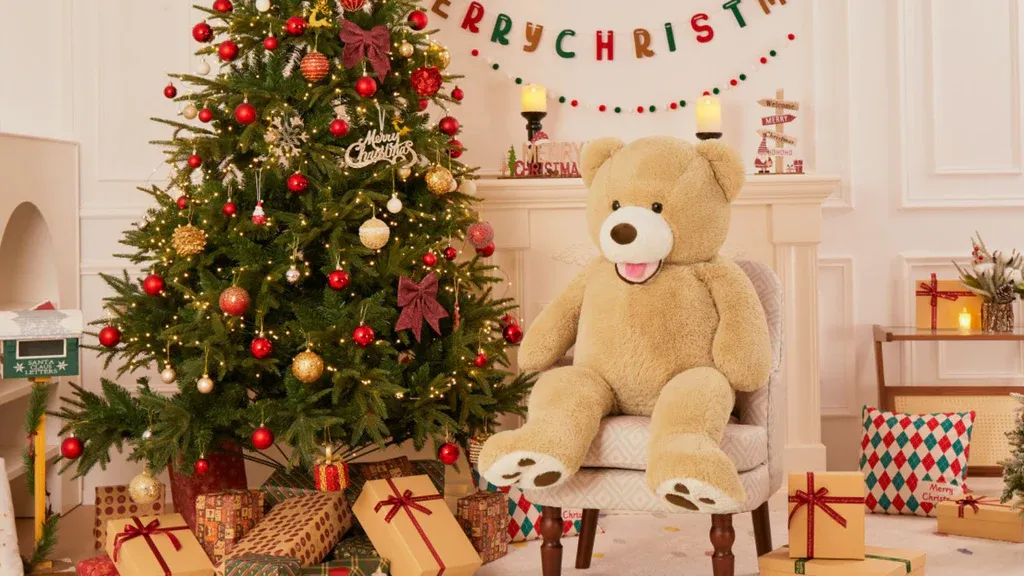
Packaging offers a powerful branding opportunity that can differentiate products and build customer loyalty.
Custom printed ribbons, wrapping paper, or stickers featuring logos or slogans embed your brand visually.
Adding hang tags or printed cards with product information, care instructions, or special messages connects with consumers and can promote other products or offers.
Seasonal and event-based customization, such as holiday-themed packaging or limited-edition designs, creates excitement and drives sales.
For B2B clients like Jessica Williams, customizable packaging solutions enable alignment with their brand identity, increasing retailer confidence and enhancing shopper appeal.
| Branding Element | Application | Customer Benefit |
|---|---|---|
| Logo ribbons | Printed ribbons and bows | Reinforces brand recognition |
| Custom tags | Hang tags with information | Engages and informs buyers |
| Themed packaging | Seasonal or campaign-specific | Increases relevance and urgency |
Integrating branding into packaging transforms products into memorable brand experiences.
5. What Are The Best Practices For Eco-Friendly And Sustainable Wrapping?
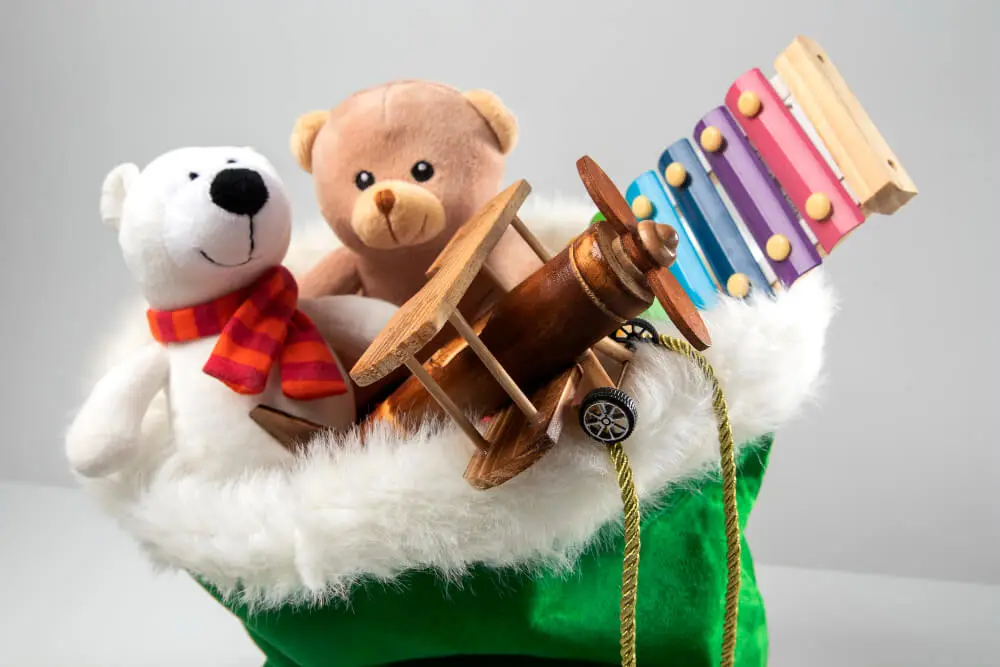
Eco-conscious packaging appeals to modern consumers and aligns with environmental responsibility goals.
Opt for biodegradable or compostable cellophane made from plant-based materials to reduce plastic pollution.
Use recycled or FSC-certified paper for gift boxes and cushioning materials, minimizing forest depletion.
Natural fiber ribbons such as jute, cotton, or hemp replace synthetic ribbons, adding a rustic, eco-friendly feel.
Adopt minimalist packaging designs that reduce material usage and waste while maintaining style.
Partnering with suppliers who share sustainability values ensures the sourcing of compliant materials.
| Sustainable Material | Benefit | Considerations |
|---|---|---|
| Biodegradable films | Reduce plastic waste | Cost and availability |
| Recycled paper | Renewable, recyclable | Strength and durability |
| Natural fiber ribbons | Compostable, natural look | Slightly less glossy finish |
Eco-friendly wrapping supports brand image and meets growing consumer demand for sustainable products.
6. How To Optimize Packaging For Shipping And Retail Display?
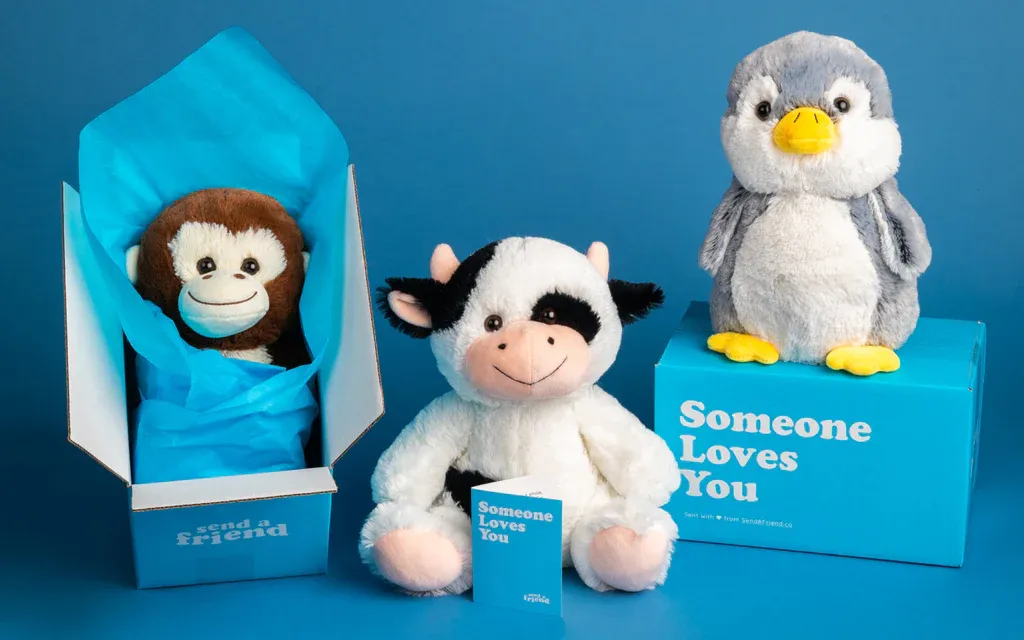
Packaging must balance protection during transport with shelf appeal in stores or online.
Sturdy gift boxes with internal foam or molded pulp inserts protect toys from crushing and shocks.
Clear window panels provide visibility to entice shoppers without exposing toys to dust or damage.
Compact packaging reduces shipping costs, warehouse space, and environmental impact.
Clear, attractive labels with product features, safety information, and brand storytelling assist shoppers and build trust.
Online retail benefits from packaging that withstands handling but also photographs well for product images.
| Packaging Feature | Purpose | Benefit |
|---|---|---|
| Sturdy boxes | Prevent damage during transit | Secure delivery |
| Window panels | Improve product visibility | Increase shelf and online appeal |
| Compact design | Save space and reduce costs | Efficient logistics |
| Informative labels | Educate customers | Boost purchase confidence |
Optimizing packaging streamlines logistics and enhances marketing impact.
Conclusion
Thoughtful stuffed toy wrapping enhances product protection, branding, and customer experience, while supporting sustainability and efficient logistics.
For expert plush toy packaging solutions, contact Amanda at [[email protected]] or visit [https://plushtoyinchina.com].