Making a stuffed toy involves careful selection of materials, thoughtful design, precise sewing, and strict quality controls. This guide covers everything you need to know to create durable, safe, and appealing plush toys.
Stuffed toy production requires soft, safe fabrics, durable sewing techniques, and hypoallergenic stuffing materials. Designing begins with sketches and prototypes, progressing through detailed assembly processes. Quality control ensures consistent product safety and appearance. Scaling production from small batches to mass manufacturing demands efficient workflows and supplier coordination. Following these steps guarantees high-quality stuffed toys ready for global markets.
Let’s explore each stage of stuffed toy production in detail to help you understand the entire process.
1. What Are The Essential Materials Required For Stuffed Toy Production?
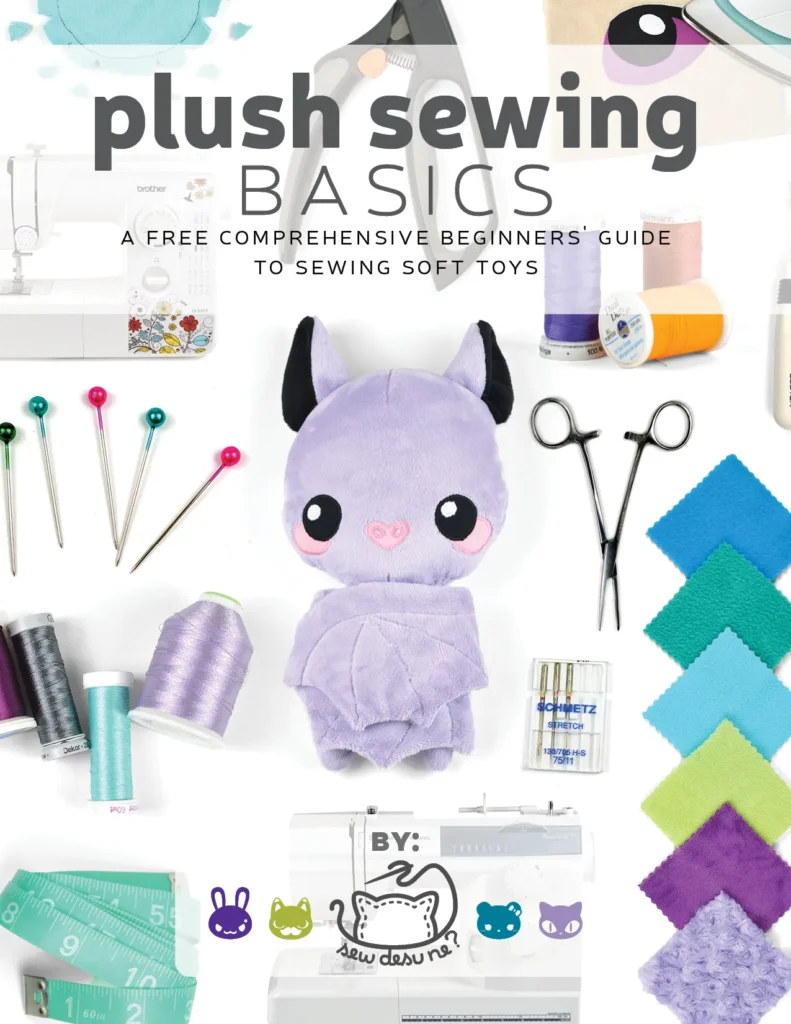
The foundation of a high-quality stuffed toy lies in selecting the right materials. Common essential materials include:
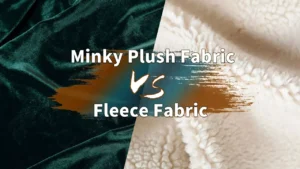
- Fabrics: Soft plush fabrics like minky, velour, fleece, or cotton blends provide a cuddly texture. The fabric must be durable, non-toxic, and safe for children.
- Stuffing: Polyester fiberfill is widely used for its softness, lightweight nature, and hypoallergenic properties. Some toys use plastic pellets for added weight or shape.
- Thread: Strong polyester or nylon threads ensure seams hold under play stress.
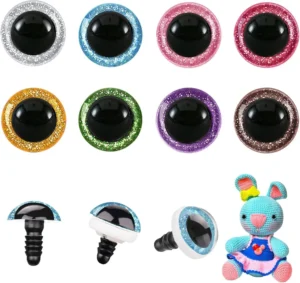
- Embroidery Threads: For adding facial details like eyes and noses, embroidered threads are safer than plastic components.
- Accessories: Items such as ribbons, buttons, or sound modules may be used but should be securely attached and safe.
- Labels and Packaging: Customized tags, brand labels, and packaging materials are important for branding and marketing.
Using high-quality, certified materials guarantees the toy’s safety, durability, and appeal.
| Material | Purpose | Key Feature |
|---|---|---|
| Plush fabric | Outer soft texture | Durable, safe, cuddly |
| Polyester fiberfill | Internal stuffing | Soft, lightweight, hypoallergenic |
| Polyester/nylon thread | Seams and assembly | Strong, flexible |
| Embroidery thread | Facial features | Safe, secure |
| Accessories | Decorative or functional parts | Secure attachment required |
| Labels & packaging | Branding and protection | Customized and appealing |
Choosing the right materials is the first step toward making a successful stuffed toy.
2. How To Develop A Plush Toy Design From Concept To Prototype?
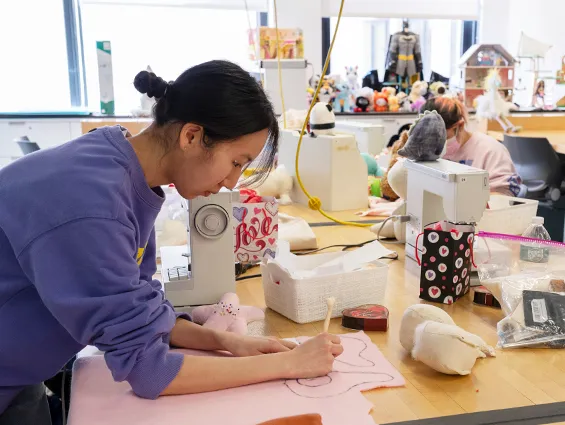
Developing a stuffed toy design begins with a creative concept, often inspired by animals, characters, or original ideas.
- Sketching: Initial drawings focus on shape, size, and features. Multiple sketches help explore different styles.
- Digital Design: Using CAD software, designers create precise 2D or 3D models to refine details.
- Pattern Making: Patterns are developed to guide fabric cutting and sewing, ensuring parts fit perfectly.
- Prototype Creation: A sample plush toy is assembled using the patterns to test design, proportions, and materials.
- Feedback & Revisions: Prototypes undergo evaluation for aesthetics, safety, and functionality. Adjustments are made accordingly.
The prototype is the blueprint for production and must reflect the final product accurately.
| Design Stage | Activity | Output |
|---|---|---|
| Sketching | Concept visualization | Rough designs |
| Digital modeling | Precise shape and detail | CAD files |
| Pattern making | Sewing templates | Fabric cutting guides |
| Prototyping | Sample creation | Physical prototype |
| Revision | Testing and feedback | Finalized design |
Well-developed prototypes minimize production errors and ensure customer satisfaction.
3. Which Sewing And Assembly Techniques Are Critical For Durability?
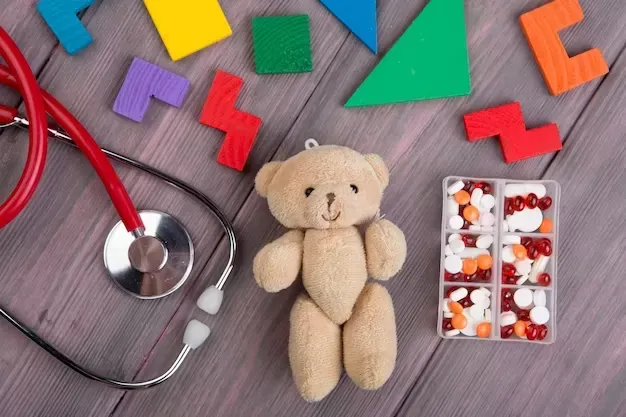
Durability in stuffed toys depends heavily on expert sewing and assembly techniques.
- Double Stitching: Reinforced seams reduce the risk of tearing, especially along stress points like limbs and neck.
- Overlocking: Edges are finished with overlock stitches to prevent fabric fraying.
- Hidden Stitching: Seams are sewn inside to create a clean look and prevent unraveling.
- Secure Attachment: Features like eyes, noses, and accessories are sewn firmly or embroidered rather than glued.
- Quality Inspection: Each toy undergoes visual and manual checks for seam strength and stitch consistency.
These methods extend the toy’s lifespan, ensuring it withstands play and washing.
| Sewing Technique | Purpose | Benefit |
|---|---|---|
| Double stitching | Reinforce seams | Prevents seam failure |
| Overlocking | Finish edges | Avoids fraying |
| Hidden stitching | Concealed seams | Cleaner appearance |
| Embroidery | Secure facial details | Safe, durable |
| Quality inspection | Final check | Maintains high standards |
Proper sewing and assembly create plush toys that last and delight users.
4. How To Select Safe Stuffing Materials That Meet Industry Standards?
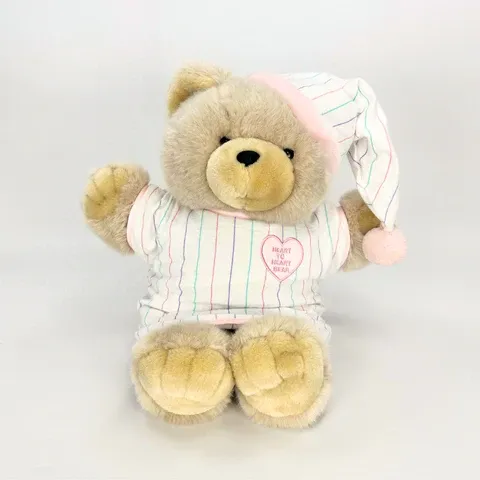
Stuffing materials must be safe, non-toxic, and comfortable for users, especially children.
- Polyester Fiberfill: The most popular stuffing, offering softness and hypoallergenic qualities.
- Natural Fillers: Some toys use wool or cotton, but these may compress faster and require treatment to prevent allergens.
- Plastic Pellets: Used to add weight or create sensory toys but must be securely enclosed.
- Compliance: Stuffing materials must meet ASTM, CPSIA, and EN71 standards to ensure safety.
Manufacturers verify stuffing materials through testing for harmful substances and physical performance.
| Stuffing Type | Properties | Safety Considerations |
|---|---|---|
| Polyester fiberfill | Soft, lightweight | Hypoallergenic, washable |
| Natural fillers | Organic, breathable | Potential allergens, treated |
| Plastic pellets | Adds weight | Must be securely contained |
Choosing the right stuffing supports safety, comfort, and durability.
5. What Quality Control Measures Ensure Consistent Production Outcomes?
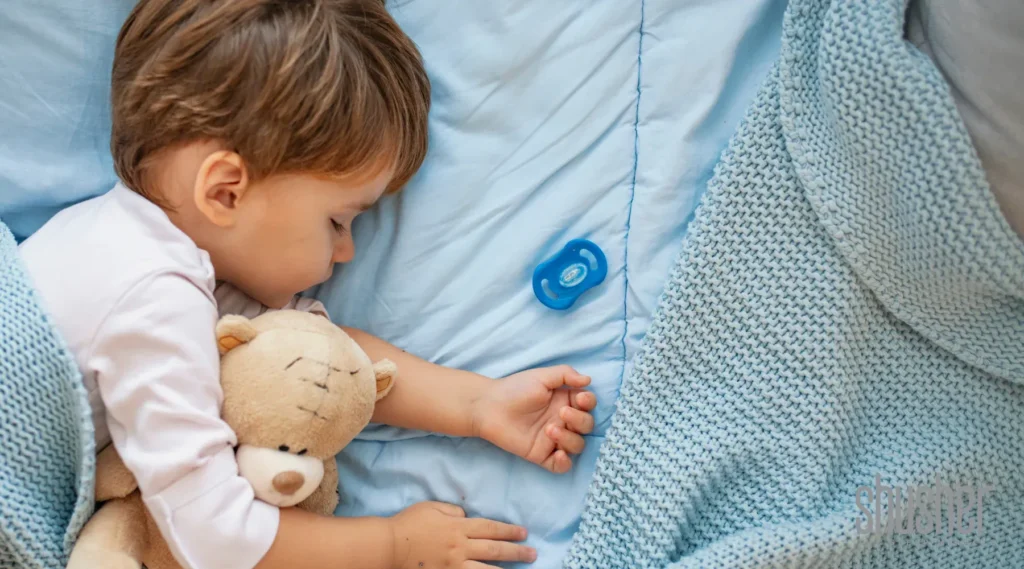
Quality control (QC) is essential throughout stuffed toy production to maintain standards.
- Material Inspection: Incoming fabrics and fillings are tested for compliance and defects.
- In-Process Checks: Sewing, stuffing, and assembly steps include random and batch inspections.
- Finished Product Testing: Final toys are checked for seam integrity, safety hazards, and overall appearance.
- Documentation: QC records and traceability ensure accountability and quick issue resolution.
- Third-Party Audits: Many brands engage external labs to certify compliance with global safety regulations.
Effective QC minimizes returns and enhances brand reputation.
| QC Stage | Activity | Goal |
|---|---|---|
| Material inspection | Test incoming materials | Prevent defects early |
| In-process checks | Monitor assembly | Catch issues promptly |
| Final testing | Safety and durability tests | Ensure finished quality |
| Documentation | Record results | Enable traceability |
| External audits | Independent verification | Validate compliance |
Strict quality control guarantees reliable products for customers.
6. How To Scale Production From Small Batches To Mass Manufacturing?
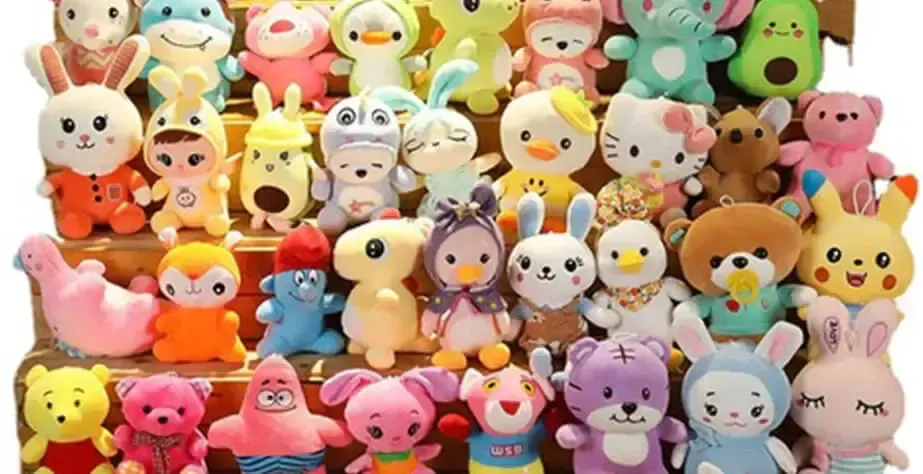
Scaling production involves transitioning from prototypes and small runs to large volumes efficiently.
- Process Optimization: Streamline workflows, reduce waste, and automate where possible.
- Supplier Coordination: Secure reliable raw material supply chains with backup options.
- Equipment Investment: Utilize industrial sewing machines and cutting tools for speed and consistency.
- Staff Training: Expand and train skilled workforce to maintain quality at scale.
- Order Management: Implement ERP systems to track production, inventory, and delivery schedules.
Scaling must balance speed with quality to fulfill large B2B orders successfully.
| Scaling Aspect | Approach | Benefit |
|---|---|---|
| Workflow optimization | Lean manufacturing techniques | Improves efficiency |
| Supplier management | Multiple vetted suppliers | Ensures material availability |
| Equipment upgrade | Industrial machinery | Increases production capacity |
| Workforce training | Skill development programs | Maintains quality |
| Order tracking | ERP and inventory systems | Enhances order accuracy |
Careful planning enables growth while preserving product excellence.
Producing high-quality stuffed toys requires selecting safe materials, designing thoughtful prototypes, employing durable sewing methods, ensuring rigorous quality control, and scaling efficiently. Following these guidelines empowers manufacturers and brands to deliver safe, durable, and appealing plush toys to the market.
For expert stuffed toy production and customization, contact Amanda at [[email protected]] or visit [https://plushtoyinchina.com].