Making a stuffed bear combines creativity with precise craftsmanship. From selecting the right materials to detailed sewing, each step ensures a soft, durable, and appealing toy that delights customers worldwide.
The process of making a stuffed bear involves choosing quality fabrics and stuffing, designing accurate patterns, sewing with strong techniques, and adding lifelike features. Proper quality checks ensure safety and consistency before market launch, resulting in a lovable, high-quality product that stands out.
Let’s explore each step to craft the perfect stuffed bear, blending artistry with technical expertise.
1. What Materials Are Essential For Making A High-Quality Stuffed Bear?
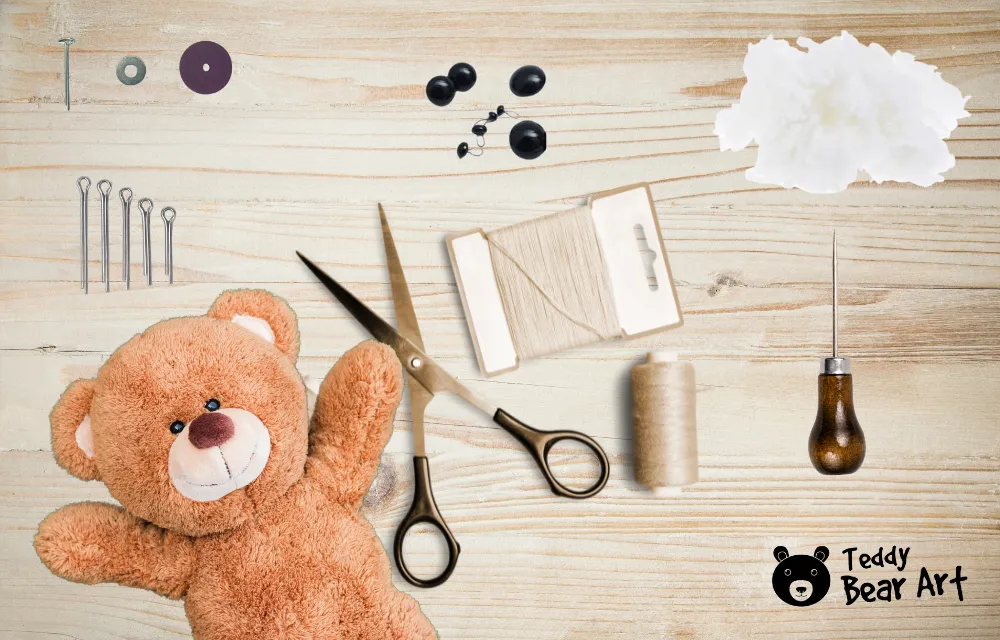
Selecting the right materials is crucial for softness, durability, and safety.
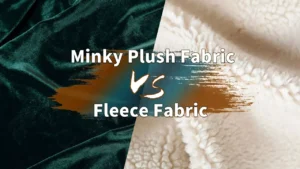
- Soft fabrics like plush, velour, or faux fur give the bear a cuddly feel.
- High-quality thread and sturdy zippers or fasteners ensure long-lasting seams.
- Safe, non-toxic stuffing maintains shape and softness.
- Optional accessories include embroidered eyes, noses, and decorative ribbons.
The choice of materials directly impacts the toy’s appeal and lifespan.
Material quality determines a stuffed bear’s softness, durability, and safety, making fabric and stuffing selection vital.
Fabric selection balances tactile comfort and wear resistance. Plush and velour offer warmth and softness, ideal for children’s toys. Faux fur adds realism but needs proper backing for durability.
Thread strength affects stitching resilience. Using polyester threads minimizes breakage over time.
Stuffing materials like polyester fiberfill provide bounce and support while being lightweight and hypoallergenic.
Safety demands non-toxic dyes and components, meeting standards such as CE and ASTM.
Optional decorative parts must be securely attached to prevent hazards.
| Material | Purpose | Benefit |
|---|---|---|
| Plush/Velour | Soft outer fabric | Comfort and visual appeal |
| Polyester Thread | Sewing durability | Long-lasting seams |
| Polyester Fiberfill | Filling | Shape retention and softness |
| Embroidery | Facial features | Safety and detail |
| Non-toxic dyes | Coloring | Safety compliance |
2. How To Create A Detailed Design And Pattern For A Stuffed Bear?
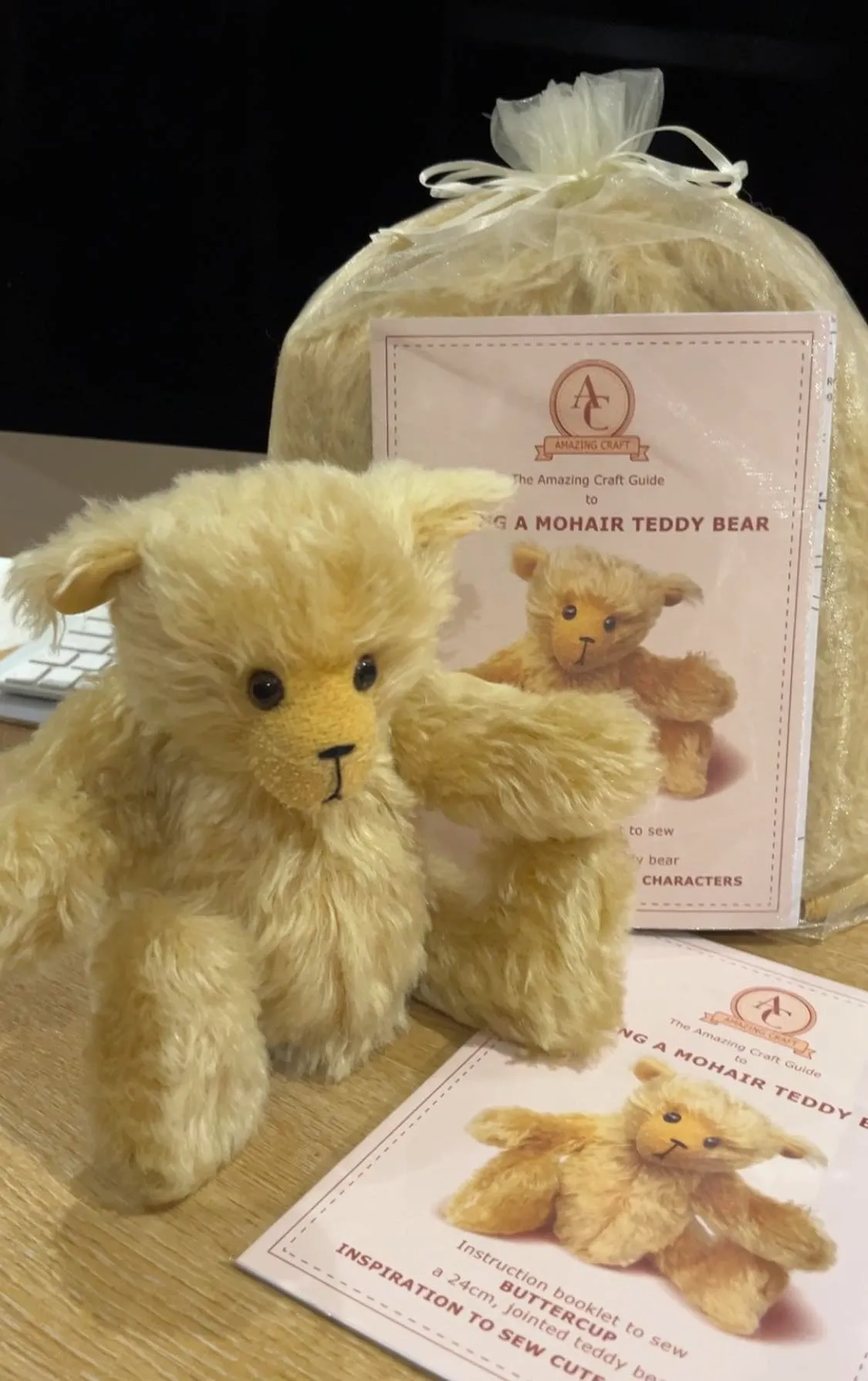
Design and pattern making shape the bear’s form and personality.
- Start with sketches capturing size, posture, and expression.
- Develop technical drawings showing all views.
- Break down the bear’s body into fabric panels for pattern drafting.
- Adjust for fabric stretch and seam allowances.
- Ensure the pattern allows easy assembly and stuffing.
A precise pattern transforms creative ideas into a workable blueprint.
Detailed designs and accurate patterns guide fabric cutting and assembly, ensuring correct proportions and ease of production.
A well-crafted pattern balances aesthetics and manufacturability.
Designers consider proportions to achieve a cute yet realistic appearance.
Patterns are made flat but must result in a 3D shape once sewn.
Seam placement is strategic for smooth contours and strength.
Allowance for fabric behavior avoids distortion.
Good communication between designers and pattern makers reduces costly errors.
| Step | Activity | Purpose |
|---|---|---|
| Sketch Design | Conceptualize bear’s shape | Visual guide |
| Technical Drawing | Show multiple angles | Precise dimensions |
| Pattern Drafting | Create flat templates | Fabric cutting guide |
| Seam Allowance | Add margins for stitching | Assembly ease |
| Prototyping | Test pattern | Adjust for fit and look |
3. Which Sewing Techniques Ensure Durability And Realistic Features?
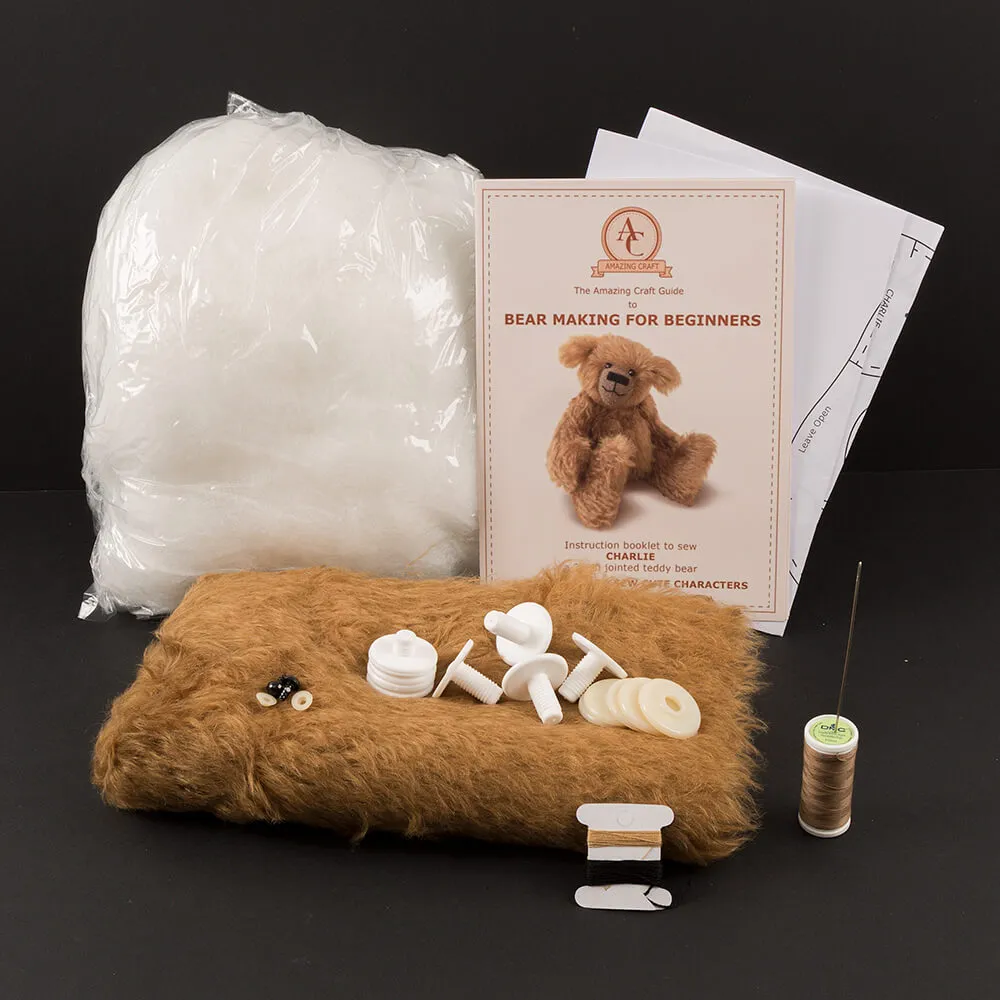
Strong sewing techniques make the bear durable and visually appealing.
- Use reinforced seams in high-stress areas like limbs and joints.
- Hand stitching may be used for detailed areas like the nose or eyes.
- Use tight stitches to prevent stuffing leaks.
- Attach facial features securely, often via embroidery or appliqué.
- Employ topstitching for decorative accents and shape retention.
Proper sewing preserves the bear’s integrity during play and handling.
Reinforced seams, tight stitching, and secure features enhance durability and the bear’s realistic appearance.
Reinforced seams at stress points prevent tearing and extend toy life.
Hand stitching provides control for detailed facial features, ensuring safety.
Overlocked edges prevent fabric fraying, critical for washability.
Topstitching can define muscle tone or add aesthetic details.
Quality control involves stitch density checks and tensile tests.
Proper sewing is a key factor in customer satisfaction.
| Sewing Aspect | Technique | Benefit |
|---|---|---|
| Reinforced Seams | Double or triple stitching | Strength in joints |
| Tight Stitching | Small stitch length | Prevent stuffing escape |
| Hand Stitching | Controlled detailed areas | Safe, precise features |
| Overlocking | Edge finishing | Fabric durability |
| Topstitching | Decorative and structural | Shape and style |
4. How To Select And Prepare Stuffing For Optimal Softness And Shape?
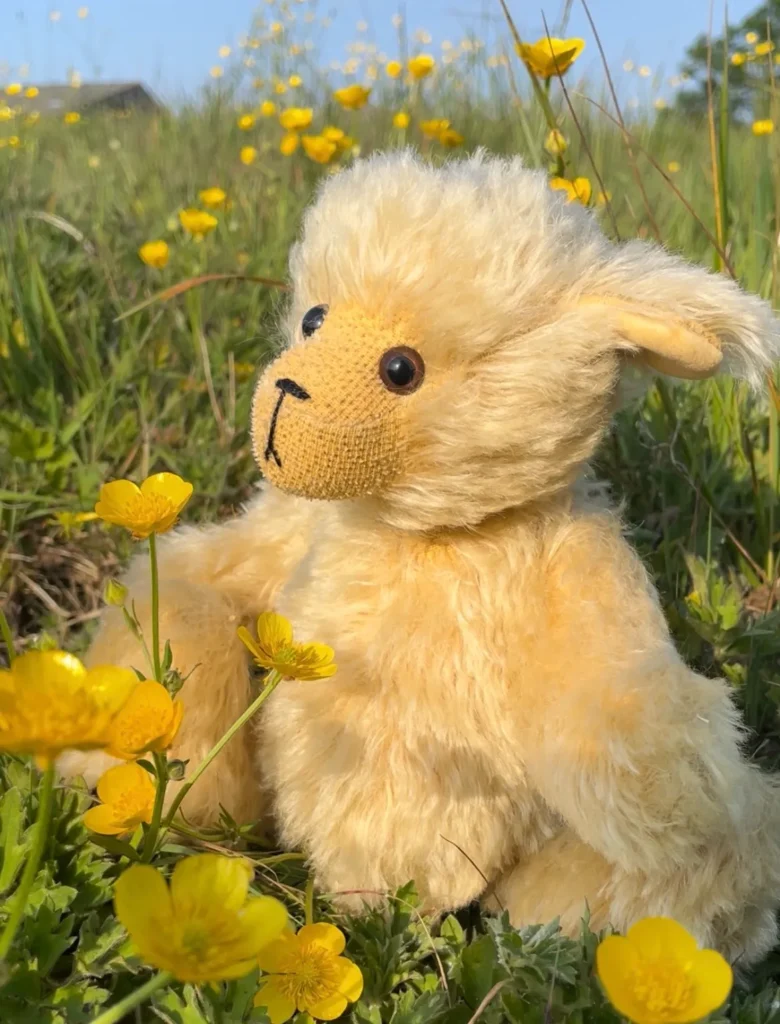
Stuffing gives the bear volume, softness, and shape.
- Choose polyester fiberfill or cotton blends for softness and resilience.
- Ensure stuffing is hypoallergenic and safe for children.
- Prepare stuffing by fluffing to avoid lumps.
- Fill evenly to maintain shape and avoid flat spots.
- Adjust density for desired firmness or cuddliness.
Proper stuffing enhances comfort and product lifespan.
Selecting safe, fluffy stuffing and preparing it evenly ensures the bear stays soft and maintains its shape.
Polyester fiberfill is widely used for its lightness and bounce-back ability.
Hypoallergenic stuffing protects sensitive users.
Even distribution avoids clumping and misshaping.
Adjusting fill density can make the bear firmer or softer, catering to customer preferences.
Some manufacturers use recycled stuffing to promote sustainability.
Stuffing impacts packaging weight and shipping costs.
| Stuffing Type | Characteristic | Benefit |
|---|---|---|
| Polyester Fiberfill | Lightweight and resilient | Softness and shape retention |
| Cotton Blends | Natural and breathable | Hypoallergenic comfort |
| Recycled Fibers | Eco-friendly | Sustainable production |
| Fluffed Preparation | Even filling | Consistent texture |
| Variable Density | Adjustable firmness | Customer preference |
5. What Are The Best Practices For Adding Facial Features And Accessories?
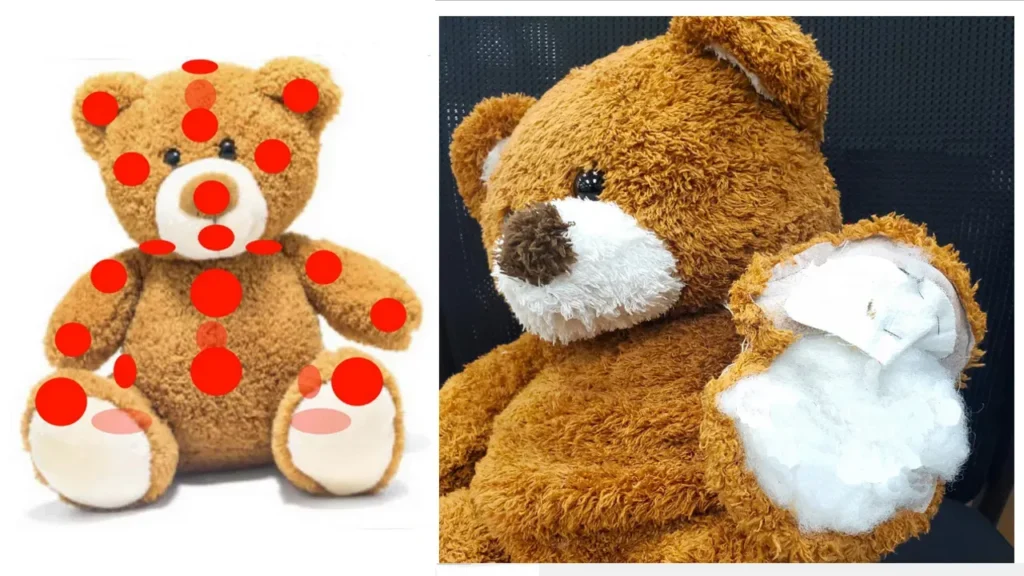
Facial features bring personality to the stuffed bear.
- Embroidery ensures safe, durable eyes and noses without choking hazards.
- Appliqué patches add texture and color variation.
- Buttons or beads should be avoided or securely fastened if used.
- Accessories like ribbons, clothes, or hats add charm but must meet safety rules.
- Features must be securely sewn to withstand washing and handling.
Detailed, safe features increase appeal and trust.
Safe embroidery and securely attached accessories create expressive, child-friendly bears.
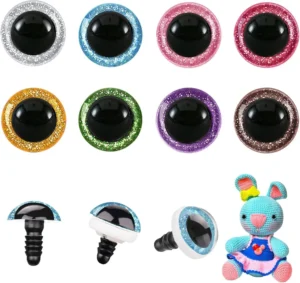
Embroidery replaces plastic eyes to eliminate choking risk.
Appliqué enhances depth and contrast on fur and face.
Buttons and beads, if used, require reinforced stitching and compliance with safety standards.
Accessories should be removable or integrated securely.
Frequent quality checks ensure feature durability during use and wash.
Clear safety labeling reassures customers.
| Feature Type | Safety Consideration | Customer Benefit |
|---|---|---|
| Embroidery | No small parts | Safe for all ages |
| Appliqué | Secure stitching | Visual appeal |
| Buttons/Beads | Reinforced or avoided | Choking hazard prevention |
| Accessories | Safety compliance | Added charm |
| Quality Checks | Durability tests | Long-lasting features |
6. How To Conduct Quality Checks And Prepare Stuffed Bears For Market?
Quality control guarantees consistency and safety.
- Inspect fabric, stitching, and stuffing for defects.
- Test seams for strength under stress.
- Verify safety compliance with CE, ASTM, or other certifications.
- Check for accurate colors and design details.
- Package bears attractively and securely for shipping.
Consistent quality builds brand reputation and customer loyalty.
Thorough quality inspections and compliance ensure safe, high-quality bears ready for the market.
Fabric inspection avoids tears or color flaws.
Seam strength tests simulate real use, preventing returns.
Certification confirms adherence to legal safety requirements.
Visual checks ensure design matches approved samples.
Secure packaging protects products and supports branding.
Investing in quality control reduces costs long-term.
| QC Step | Activity | Outcome |
|---|---|---|
| Fabric Inspection | Look for defects | Flawless materials |
| Seam Testing | Stress and tension checks | Durable construction |
| Safety Certification | Verify standards compliance | Market access |
| Visual Inspection | Color and detail accuracy | Design consistency |
| Packaging | Protective and branded | Safe delivery |
Making a stuffed bear blends quality materials, skilled design, and strict quality checks to deliver a beloved toy.
For expert help, contact Amanda at [[email protected]] or visit [https://plushtoyinchina.com].