Aggressive chewers need specially designed plush toys that combine toughness with safety. Choosing the right materials and construction methods ensures lasting enjoyment and peace of mind for pet owners.
The best plush toys for aggressive chewers use durable fabrics like ballistic nylon, reinforced stitching, and high-resilience stuffing. Safety certifications such as ASTM and CE guarantee toxin-free, chew-safe products. Customization blends toughness with attractive design. Manufacturing these toys involves overcoming challenges in material sourcing, production quality control, and cost management to deliver consistent, reliable products.
Let’s dive into how to create plush toys that survive heavy chewing while keeping dogs safe and happy.
1.What Materials Are Most Durable For Plush Toys Targeting Aggressive Chewers?
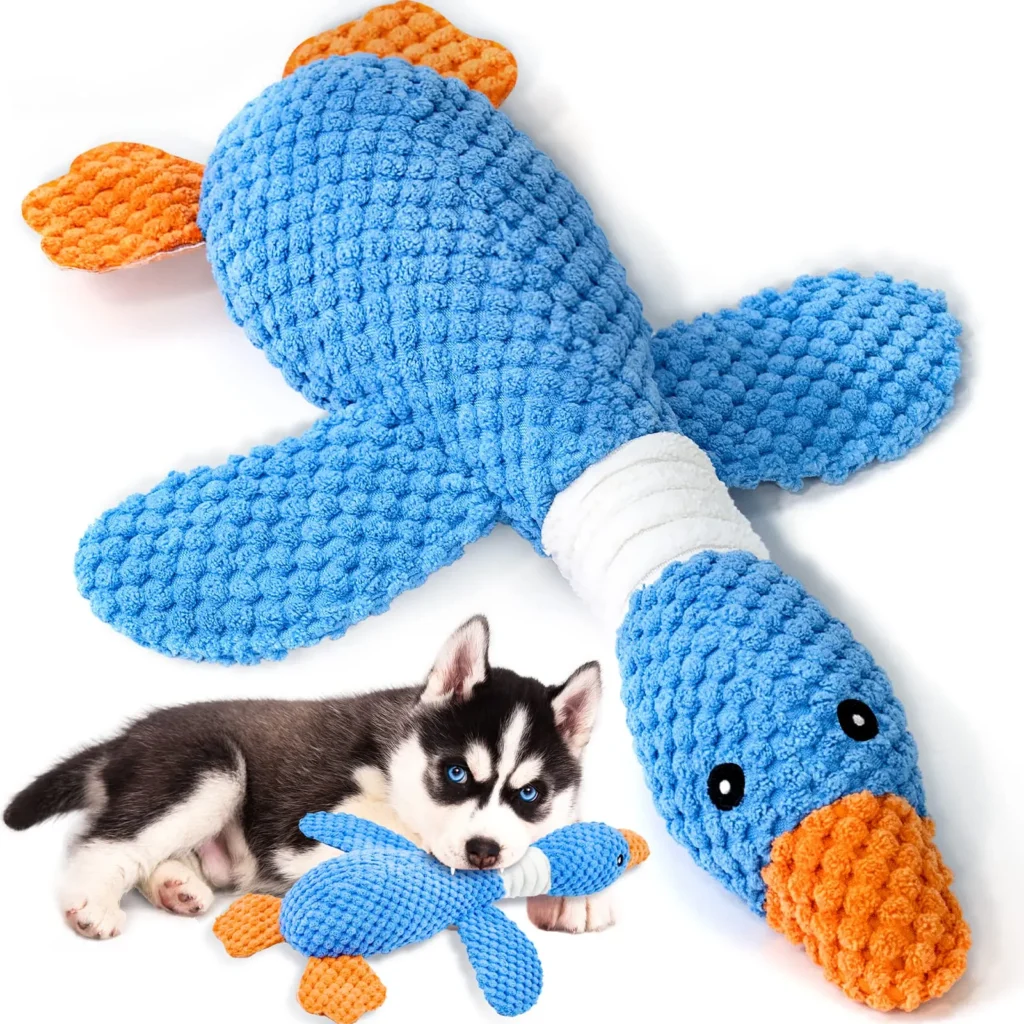
Materials must resist strong bites, tears, and general wear without harming dogs or losing form quickly.
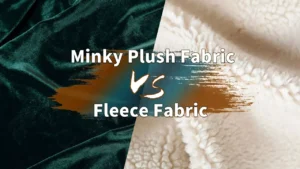
Durable fabrics such as ballistic nylon, Cordura, and heavy-duty polyester blends significantly outperform traditional plush fabrics in toughness and longevity. Ballistic nylon, originally developed for military gear, is highly tear-resistant, making it ideal for chew-resistant toys.
Some manufacturers layer soft plush fabric inside with a tough outer layer, combining comfort with durability. This dual-layer construction offers softness where the dog touches the toy, while protecting the inner stuffing from damage.
In addition, heavy-duty polyester, often reinforced with ripstop technology, balances softness and toughness, allowing toys to endure rough play without tearing.
Threads used for stitching are also critical. High-strength bonded nylon threads ensure seams hold up under chewing stress. Reinforced zipper closures or embroidered features reduce choking risks and improve longevity.
| Material | Characteristics | Benefits for Aggressive Chewers |
|---|---|---|
| Ballistic nylon | Highly tear-resistant, rugged | Resists punctures and heavy biting |
| Cordura fabric | Abrasion-resistant, durable | Long-lasting even under rough handling |
| Heavy-duty polyester | Tough, washable, soft interior | Comfortable yet robust |
| Bonded nylon thread | Extra-strong, flexible | Prevents seam failures and unravelling |
Using these materials ensures plush toys can withstand even the most determined chewers, providing excellent value to pet owners and retailers.
2.How Do Reinforced Stitching Techniques Improve Plush Toy Longevity?
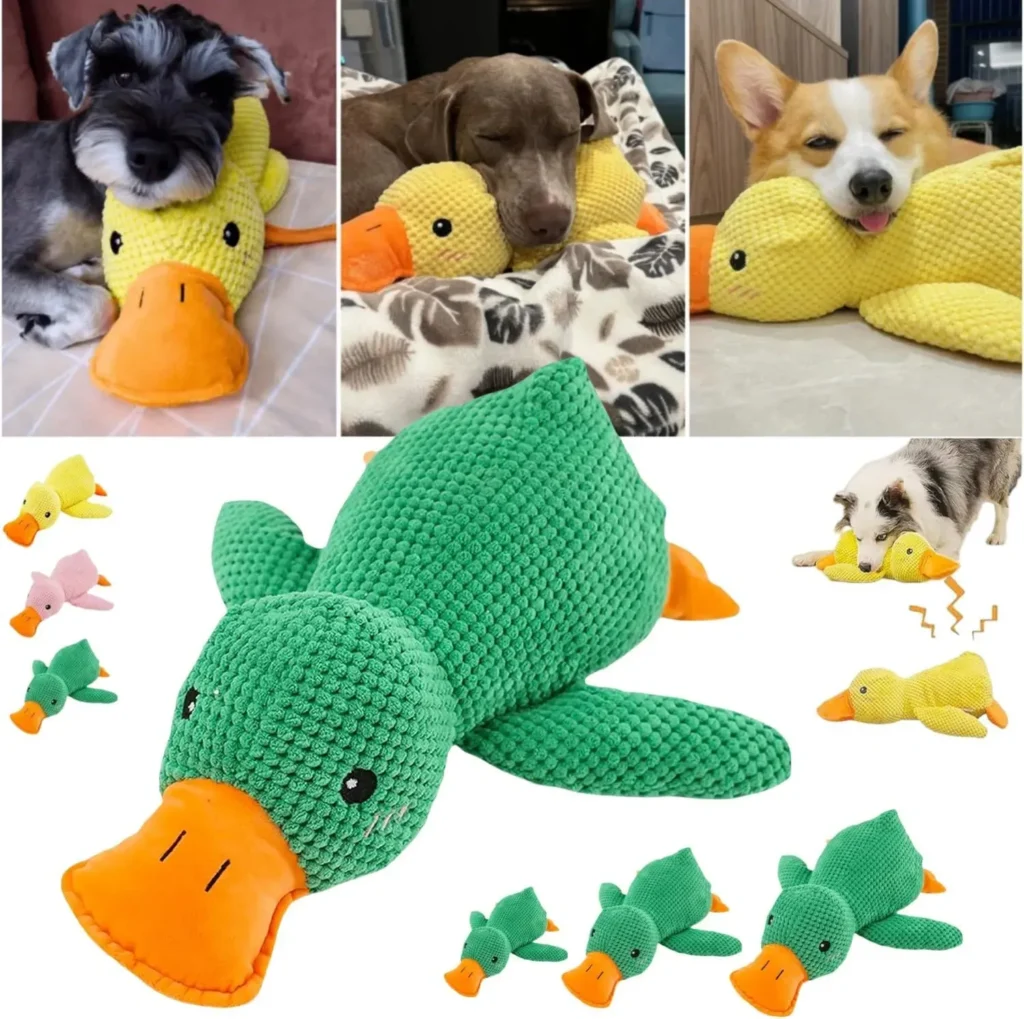
Strong stitching techniques are vital to prevent the seams from splitting during vigorous chewing.
Double or triple stitching is standard practice on all seams, especially stress points like limbs, tails, and attachment areas. This significantly reduces the chance of seam failure.
Bar tacking is applied at critical points to reinforce the fabric where extra stress occurs, such as at limb joints or around embedded squeakers.
Using high-tensile-strength thread, such as bonded nylon or polyester, helps maintain seam integrity over time and under continuous pulling.
Additionally, hand stitching is sometimes applied to final seams to add an extra layer of security, especially for limited runs or custom products.
| Stitching Method | Purpose | Impact on Durability |
|---|---|---|
| Double stitching | Reinforces seams | Prevents common seam tears |
| Triple stitching | Adds extra strength | Provides extra durability in heavy use |
| Bar tacking | Secures stress points | Reduces risk of fabric tearing |
| High-strength thread | Resists breakage and stretching | Extends overall toy lifespan |
These stitching reinforcements make toys more resilient, reducing returns and increasing customer satisfaction.
3.Which Stuffing Types Resist Compression And Damage From Heavy Chewing?
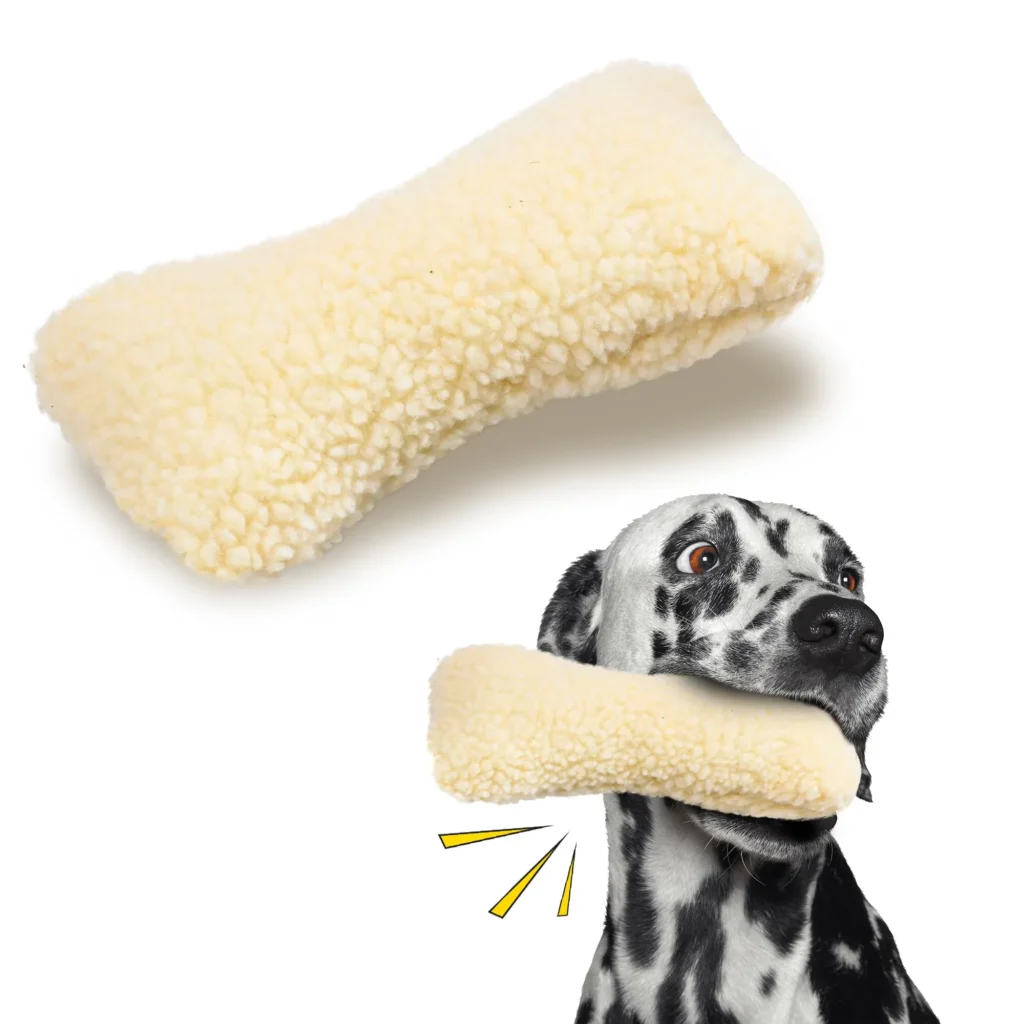
The stuffing inside the plush toy must retain its shape, resist packing down, and remain safe under heavy chewing.
High-resilience polyester fiberfill is the industry standard. This fiberfill maintains loft and softness much longer than standard polyester, resisting compression and deformation.
Some manufacturers use foam inserts or rubber pellets strategically placed inside the toy to provide extra firmness and weight distribution, making toys harder to crush.
Low-density fiberfill should be avoided for aggressive chewers because it compresses easily and can cause lumps or empty pockets, which reduce toy appeal and durability.
Layering stuffing with firmer cores surrounded by softer fiberfill balances the need for chew resistance with softness.
| Stuffing Type | Properties | Benefits for Aggressive Chewers |
|---|---|---|
| High-resilience fiberfill | Maintains shape, washable | Keeps toy soft but structured |
| Foam inserts | Provides firm support | Enhances chew resistance |
| Rubber pellets | Adds weight, durable | Improves durability and toy stability |
Proper stuffing selection and technique improve both toy comfort and lifespan, satisfying customer expectations.
4.What Safety Certifications Ensure Plush Toys Are Safe For Aggressive Chewers?
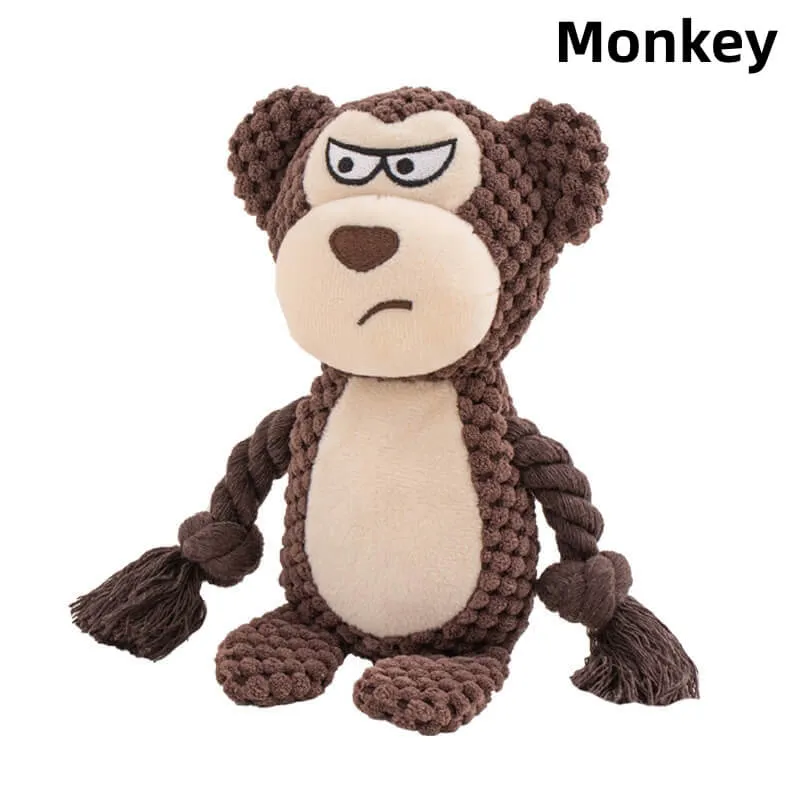
Ensuring toys meet strict safety standards protects dogs and gives peace of mind to pet owners.
ASTM F963 and CE EN71 certifications cover mechanical and chemical safety aspects for toys sold in North America and Europe.
For aggressive chewers, additional testing for seam strength, choking hazards, and non-toxic materials is essential.
All fabrics, dyes, and stuffing materials must be non-toxic and hypoallergenic to prevent allergic reactions or poisoning.
Manufacturers conduct rigorous pull tests on seams and attachments and evaluate toys for small parts that could detach during chewing.
| Certification | Focus Areas | Importance |
|---|---|---|
| ASTM F963 | Mechanical and chemical safety | Required for US market compliance |
| CE EN71 | Toxicity, mechanical hazards | Mandatory for European market |
| CPSIA compliance | Limits on lead and phthalates | Child-safe and pet-safe materials |
Meeting these certifications ensures the toy is safe for dogs, helps avoid legal issues, and increases retailer acceptance.
5.How Can Customization Balance Durability With Design Appeal For Aggressive Chewers?
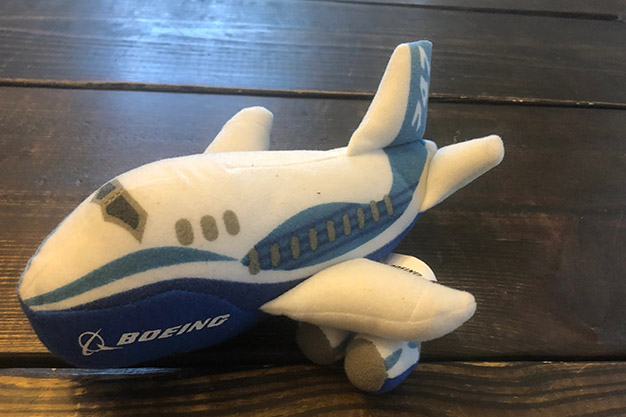
Customization allows brands to differentiate products without compromising on toughness.
Manufacturers offer varied color options, embroidered logos, or unique patterns applied on durable fabric bases.
Adding custom shapes or features like themed characters or holiday editions enhances consumer appeal.
Custom accessories, such as removable covers or integrated chew zones made from stronger materials, add play value and extend toy life.
Careful integration of design elements ensures the toy remains structurally sound and chew-resistant.
| Customization Type | Benefits | Challenges |
|---|---|---|
| Color and pattern | Aligns with brand identity | Maintaining material strength |
| Embroidery | Enhances branding | Avoids creating weak points |
| Unique shapes | Increases appeal | Ensures chew resistance remains intact |
| Accessories | Adds function and interest | Balances durability and usability |
Thoughtful customization increases customer loyalty and sales while retaining product toughness.
6.What Are Common Manufacturing Challenges When Producing Plush Toys For Aggressive Chewers?
Producing chew-resistant plush toys demands overcoming several challenges to ensure quality and profitability.
Heavy-duty fabrics and threads are tougher to work with, requiring skilled operators and industrial sewing machines capable of handling thick materials.
Maintaining consistent seam quality across large production batches is difficult but vital to prevent returns due to seam failures.
Balancing durability with comfort and aesthetics demands rigorous prototyping and testing.
Materials suited for chew resistance are often more expensive, so cost management becomes crucial.
Finally, quality control must catch defects early, as aggressive chewer toys face high physical stress.
| Challenge | Cause | Solution |
|---|---|---|
| Sewing thick fabrics | Tough materials | Use specialized equipment, skilled labor |
| Seam strength | Stress points during use | Reinforced stitching and testing |
| Cost control | Expensive materials | Efficient production and sourcing |
| Quality consistency | Complex construction | Rigorous quality assurance protocols |
Addressing these challenges ensures consistent production of safe, durable toys that satisfy clients and pets.
Conclusion
Durable, safe plush toys for aggressive chewers require careful material choice, reinforced construction, and strict quality control to deliver lasting value.
For expert plush toy manufacturing and customization, contact Amanda at [[email protected]] or visit [https://plushtoyinchina.com].