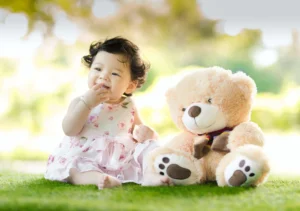
Plush toys are beloved worldwide, made soft and cuddly by special materials. Understanding what these materials are called and their features helps brands create better products for children and collectors.
Plushie materials refer to various soft fabrics used to make stuffed toys. Common names include minky, velvet, fleece, and velour, each offering unique softness, durability, and appearance. Choosing the right fabric affects the toy’s feel, safety, and longevity.
Let’s dive into the key fabrics used and how they shape plushie quality and appeal.
1. What Are The Most Common Fabrics Used In Plushie Manufacturing?
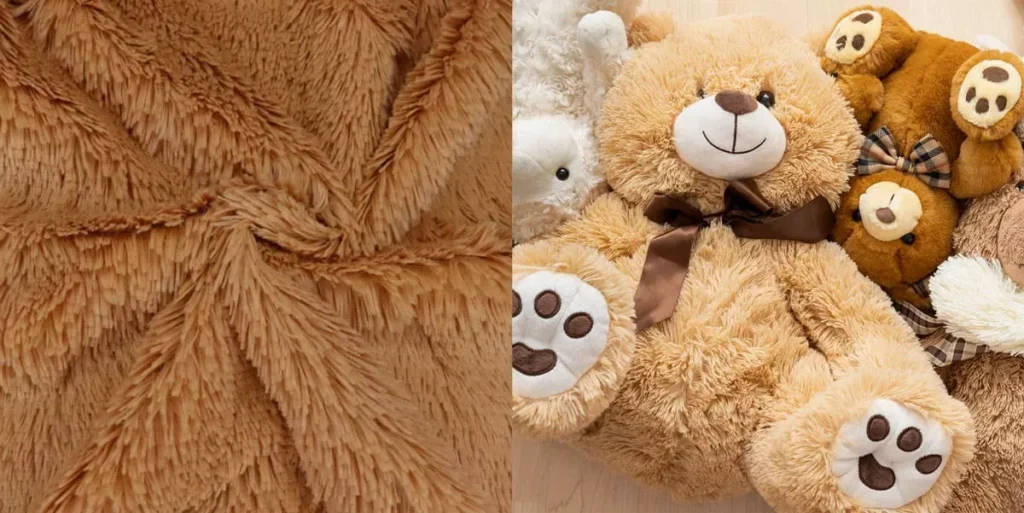
Plush toys usually use a few main types of fabrics known for their softness and strength. These include minky, velvet, fleece, velour, and sometimes cotton blends.
Common plush fabrics include minky, velvet, fleece, and velour, each providing distinct texture and durability to stuffed toys.
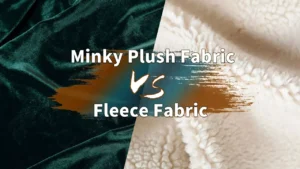
Minky is very popular because it is extra soft with a short pile, giving a smooth feel. Velvet has a similar soft texture but often a bit shinier. Fleece is thicker and warmer, with a fuzzy surface. Velour combines velvet’s softness and fleece’s stretchiness.
Manufacturers choose fabrics based on the toy’s purpose. For baby toys, soft and hypoallergenic materials like minky or fleece are common. For decorative plushies, velvet or velour add a luxury look.
| Fabric Type | Texture | Typical Use | Durability |
|---|---|---|---|
| Minky | Very soft, smooth | Baby toys, cuddly plushies | Medium |
| Velvet | Soft, shiny | Decorative plush toys | Medium |
| Fleece | Thick, fuzzy | Warm toys, stuffed blankets | High |
| Velour | Soft, stretchy | Premium plush toys | Medium-High |
These fabrics are synthetic, mostly polyester, making them affordable and easy to clean. Some blends include cotton for breathability.
2. How Do Different Plush Materials Affect Texture And Durability?
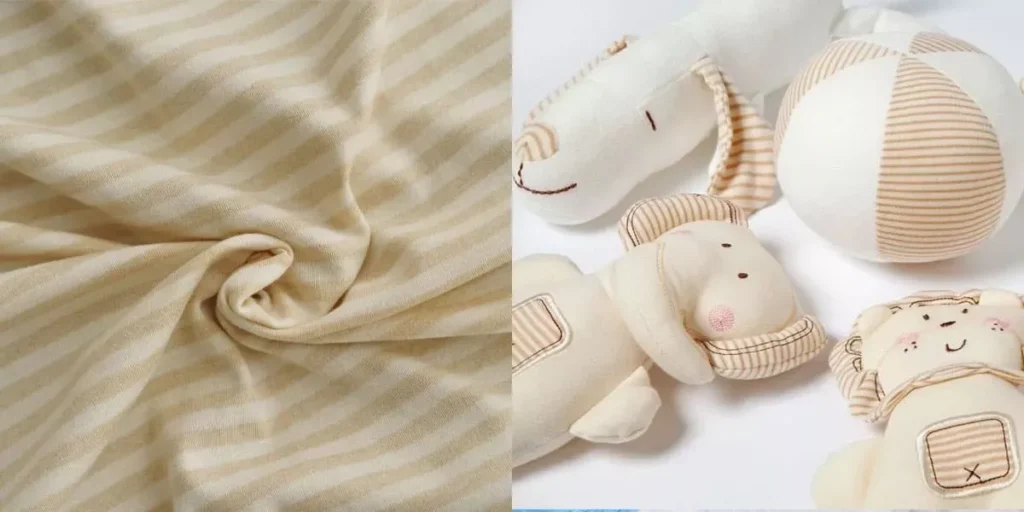
The material chosen directly impacts how a plush toy feels and how long it lasts. Softer materials feel better but may wear faster. More durable fabrics may feel less plush but withstand rough play.
Material texture and durability balance affects plush toy softness and lifespan, influencing customer satisfaction.
Soft fabrics like minky offer a velvety feel but can flatten or pill after many washes. Fleece resists wear better but may feel rougher. Velour adds elegance but requires careful handling to avoid damage.
Durability depends on fabric weight, weave tightness, and fiber quality. Higher denier polyester fibers mean stronger material but sometimes less softness.
When sourcing plush materials, manufacturers consider:
- Pile length and density (shorter piles are less likely to mat)
- Resistance to pilling and fading
- Washability and colorfastness
- Feel against skin, important for children’s toys
Customers expect a plush toy to stay soft and vibrant for years. Selecting materials that balance texture with durability enhances brand reputation and reduces returns.
| Factor | Soft Fabrics (e.g., Minky) | Durable Fabrics (e.g., Fleece) |
|---|---|---|
| Softness | High | Medium |
| Wear Resistance | Medium | High |
| Washability | Medium | High |
| Cost | Medium | Medium-Low |
3. What Are The Characteristics Of Popular Plush Fabrics Like Minky And Velvet?
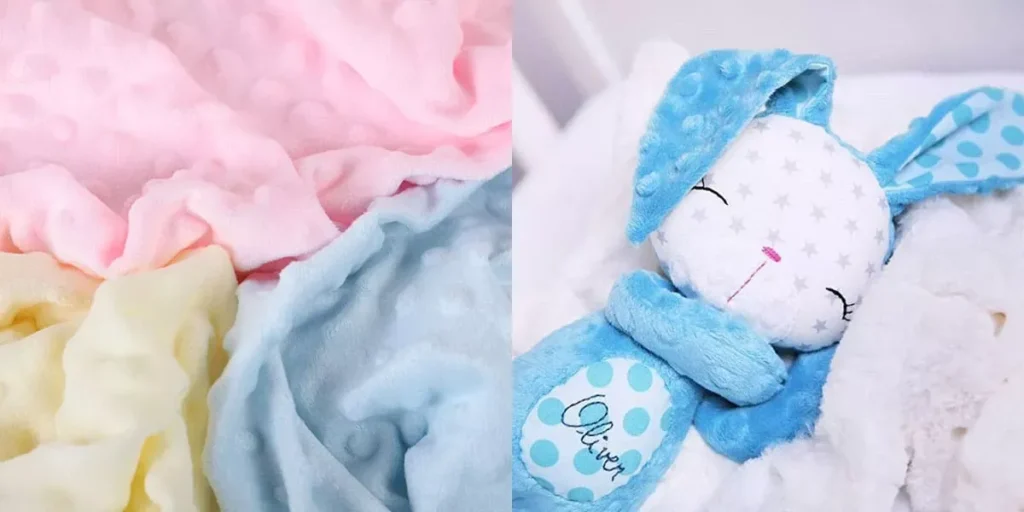
Minky and velvet are two top choices for plush toys due to their appealing textures and appearance.
Minky is ultra-soft with a short, dense pile; velvet is soft with a smooth, shiny surface, both popular for their tactile appeal.
Minky fabric is made from 100% polyester microfiber, brushed to create a silky texture. It often comes in solid colors or with dot patterns for added grip.
Velvet, also polyester-based, has a denser weave and a distinct sheen. It is slightly less soft than minky but offers a luxurious look.
Both fabrics:
- Are machine washable but require gentle cycles.
- Have good color retention.
- Provide a plush, comforting feel loved by kids and collectors.
Minky is often used for baby blankets and toys because it feels gentle on sensitive skin. Velvet adds elegance to collectible plush dolls or themed characters.
| Fabric | Composition | Texture | Appearance | Care Requirements |
|---|---|---|---|---|
| Minky | Polyester microfiber | Ultra-soft | Matte or dotted | Gentle wash, low heat dry |
| Velvet | Polyester | Soft, shiny | Glossy finish | Gentle wash, avoid friction |
Understanding these traits helps brands select the best fabric for target markets and product types.
4. How Does Material Selection Impact Safety And Compliance In Plush Toys?
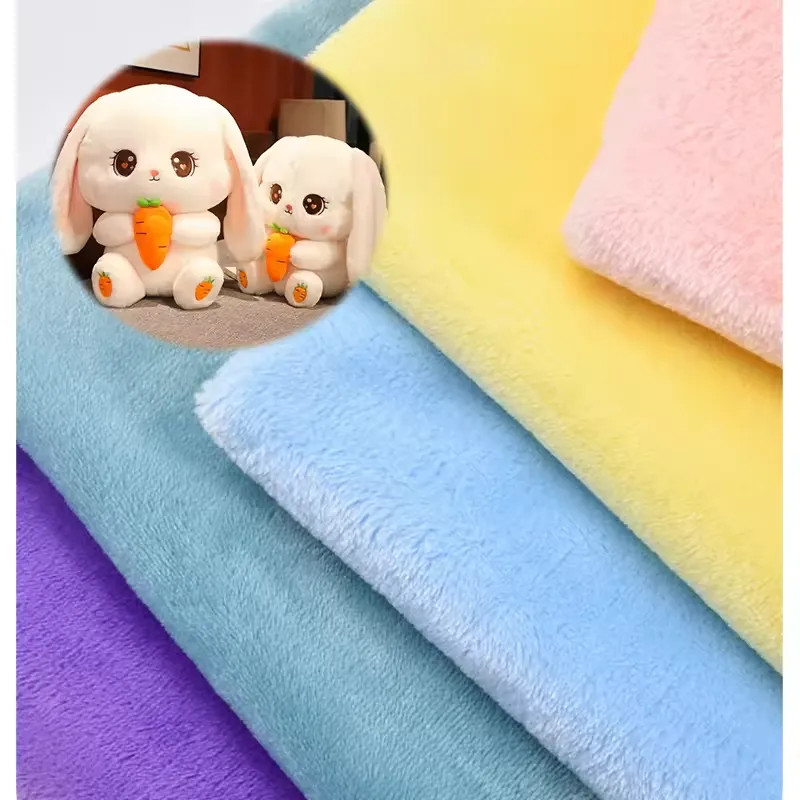
Material choice plays a key role in meeting safety standards required for children’s toys.
Safe plush materials are non-toxic, hypoallergenic, flame-resistant, and compliant with ASTM, CE, and CPSIA regulations.
Manufacturers must ensure fabrics:
- Contain no harmful chemicals or dyes.
- Are free from allergens to protect sensitive children.
- Meet flammability standards to reduce fire risk.
- Are durable enough to avoid shedding fibers or small parts that cause choking.
Quality certifications often include OEKO-TEX Standard 100, GOTS for organic cotton, and third-party lab tests.
Selecting the right plush fabric reduces regulatory risk and builds buyer trust, especially for large retailers and brands like Jessica Williams in the USA who prioritize safety.
| Safety Aspect | Requirement | Certification |
|---|---|---|
| Chemical Safety | Non-toxic dyes, no heavy metals | OEKO-TEX, CPSIA |
| Allergy Prevention | Hypoallergenic fibers | Certified allergy standards |
| Flammability | Low ignition risk | ASTM F963, EN71 |
| Mechanical Safety | No loose fibers or components | CE, ASTM |
Using trusted suppliers and testing helps ensure plush toys meet strict global market requirements.
5. What Are The Emerging Eco-Friendly Materials In Plushie Production?
Sustainability trends are driving demand for plush toys made from eco-friendly fabrics.
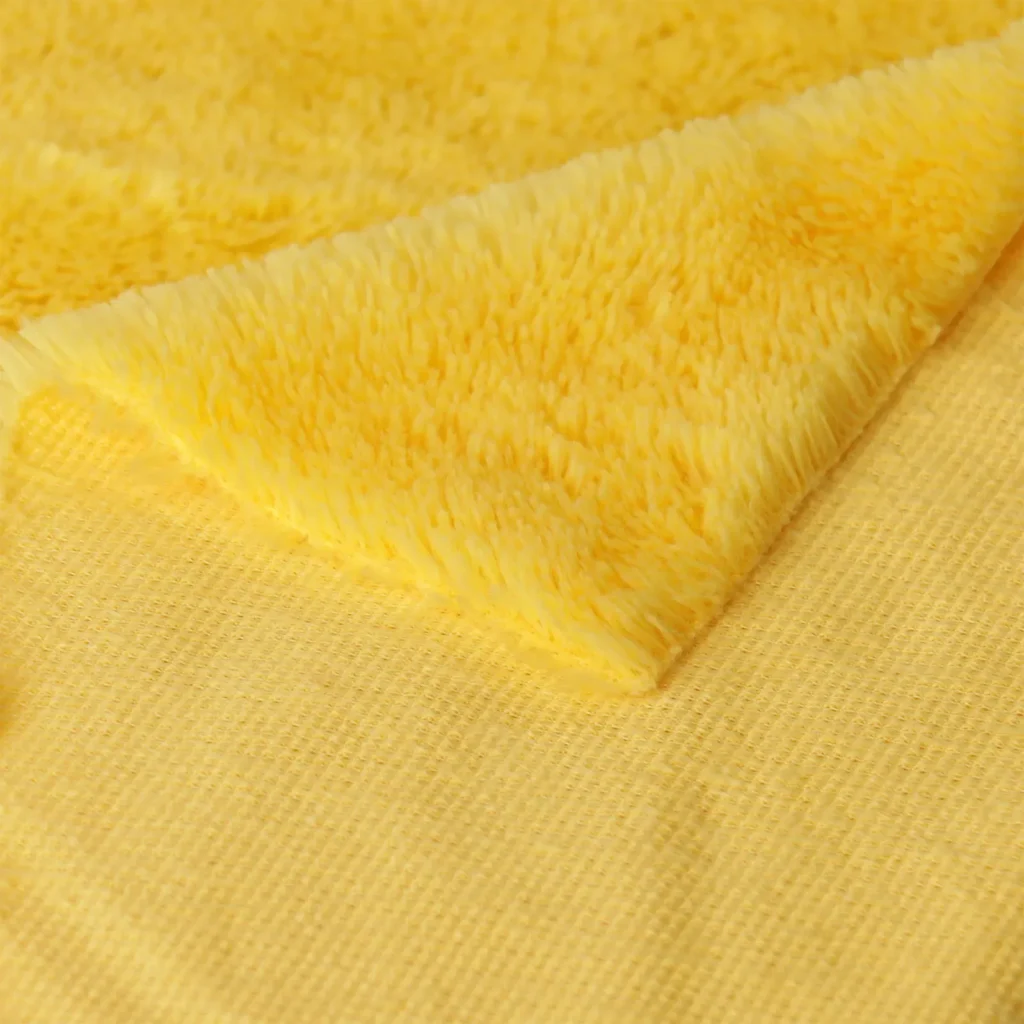
New plush materials include organic cotton, recycled polyester, and bamboo blends that reduce environmental impact.
Organic cotton is grown without pesticides, offering a natural, biodegradable option. Recycled polyester uses plastic waste to make fibers, lowering landfill burden.
Bamboo fabrics provide softness and antibacterial properties with fast renewability.
While these eco-friendly materials may cost more, they appeal to conscious buyers seeking green products.
Manufacturers must assess:
- Material availability and consistency
- Production costs vs. pricing strategy
- Certifications like GOTS or Global Recycled Standard (GRS)
- Compatibility with existing manufacturing processes
Brands like Kinwin can leverage these materials to enhance market positioning and meet increasing retailer and consumer demand.
| Eco Material | Source | Benefits | Challenges |
|---|---|---|---|
| Organic Cotton | Chemical-free farming | Biodegradable, safe for skin | Higher cost, limited supply |
| Recycled Polyester | Plastic waste | Reduces pollution | Quality control |
| Bamboo Blends | Fast-growing plant | Soft, antibacterial | Processing complexity |
6. How Can Manufacturers Choose The Right Plush Material For Custom Designs?
Selecting the optimal plush fabric is critical for product success, especially for custom orders.
Manufacturers balance texture, durability, safety, cost, and customization needs to pick the right plush material.
Key considerations include:
- Customer preferences and target market (age, use case)
- Desired appearance and feel
- Production volume and budget constraints
- Regulatory compliance requirements
- Special features like printability or embroidery compatibility
For instance, Jessica Williams, a USA-based retailer, may demand hypoallergenic, highly customizable fabrics with certification to protect children.
Manufacturers should communicate closely with clients during sampling and prototyping to verify fabric performance and cost-effectiveness.
| Decision Factor | Consideration | Impact on Choice |
|---|---|---|
| Target Customer | Age group, sensitivities | Softness and safety priority |
| Appearance | Color, texture | Fabric type and finish |
| Budget | Cost per yard, bulk discounts | Material selection |
| Compliance | Required certifications | Approved material sources |
| Customization Needs | Printing, embroidery compatibility | Fabric flexibility |
Choosing wisely helps manufacturers deliver plush toys that satisfy client needs and build long-term partnerships.
Choosing the right plushie material shapes product quality, safety, and customer satisfaction.
If you want to discuss custom plush fabric solutions, please contact Amanda at [[email protected]] or visit [https://plushtoyinchina.com].