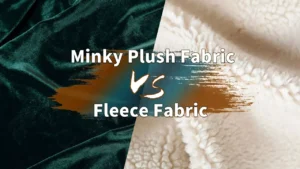


Starting a plush toy business involves understanding market trends, developing unique designs, sourcing quality materials, and navigating regulations. Success comes from blending creativity with strategic planning and reliable partnerships.
The plush toy industry grows with rising demand for custom, safe, and eco-friendly products. Entrepreneurs must spot market opportunities, collaborate with trusted manufacturers, ensure compliance with safety standards, and create strong marketing channels to build a competitive brand.
Let’s explore key steps and insights to launch and grow a successful plush toy business.
1. What Are The Key Market Trends And Opportunities In The Plush Toy Industry?
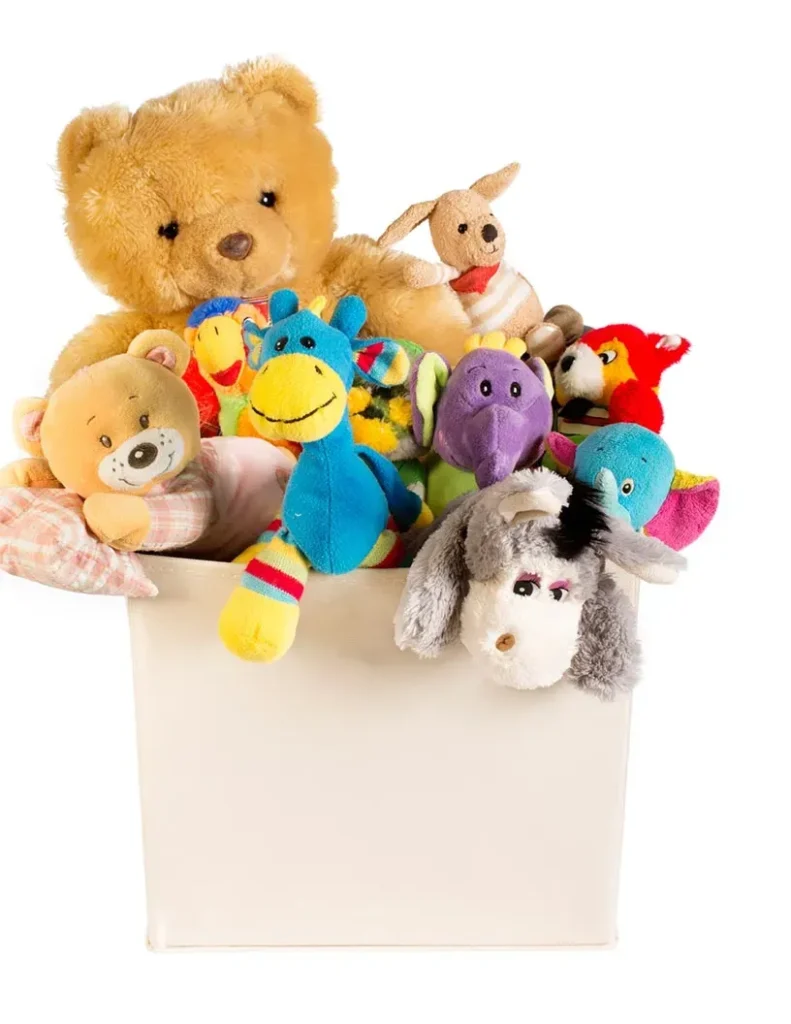
Understanding current market dynamics helps position your brand effectively. Trends shaping the industry include:
- Growing demand for personalized and themed plush toys.
- Rising consumer focus on safety and sustainability.
- Expansion of e-commerce and social media marketing.
- Popularity of nostalgic and character-based toys.
- Increasing interest from corporate gifting and promotional sectors.
Spotting these trends guides product development and marketing strategies to meet evolving customer needs.
Market growth is driven by customization, safety awareness, digital sales, and new consumer segments seeking plush toys.
The market has evolved beyond standard designs to personalized, limited-edition plushies reflecting individual preferences. Brands tapping into licensed characters and nostalgia see strong sales.
Safety concerns push for non-toxic materials and certifications, appealing especially to parents and gift buyers. Eco-friendly plush toys attract conscious consumers, adding brand value.
Digital sales platforms enable startups to reach global audiences quickly. Social media drives viral marketing, influencer partnerships, and direct engagement.
Corporate gifting and promotions open B2B channels, offering bulk orders and repeat business.
| Market Trend | Impact | Opportunity |
|---|---|---|
| Personalization | Unique customer appeal | Custom plush toy lines |
| Safety & Sustainability | Consumer trust and loyalty | Certified safe, green products |
| E-commerce Growth | Wider market access | Online brand building |
| Nostalgia & Licensing | Emotional connection | Licensed character products |
| Corporate Gifting | Bulk, repeat business | Promotional plush toys |
2. How To Develop Unique Plush Toy Designs That Meet Consumer Demand?
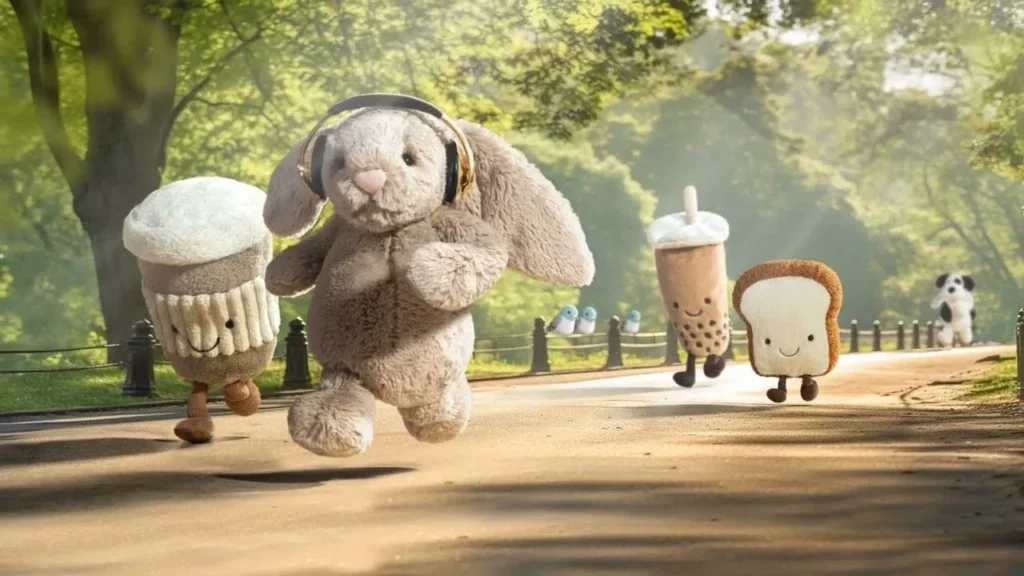
Creative design is critical. Steps to innovate include:
- Researching target audiences and current trends.
- Sketching concepts incorporating unique features.
- Choosing materials for softness, durability, and safety.
- Creating prototypes for testing aesthetics and function.
- Gathering feedback from focus groups or social channels.
- Refining designs based on insights before production.
Distinctive, consumer-focused designs differentiate your brand.
Successful designs blend trend research, consumer feedback, material selection, and iterative prototyping.
Start by studying demographics: kids, collectors, gift buyers. Analyze competitors’ offerings and market gaps.
Concept sketches allow visual brainstorming. Material choice affects product feel, durability, and safety compliance.
Prototyping validates design ideas and usability. Feedback reveals preferences or issues, helping you optimize the final product.
Innovative features like sound, light, or texture enhance appeal. Sustainable materials meet growing eco-conscious demand.
Iterative design ensures your plush toy resonates with your target market, boosting success chances.
| Design Step | Purpose | Outcome |
|---|---|---|
| Audience Research | Understand buyer needs | Targeted designs |
| Concept Sketching | Visualize ideas | Creative options |
| Material Selection | Ensure quality and safety | Soft, durable products |
| Prototype Creation | Test design feasibility | Functional sample |
| Feedback Collection | Validate consumer interest | Refined design |
| Design Refinement | Improve based on feedback | Market-ready plush toy |
3. What Are The Essential Steps For Sourcing Quality Manufacturers And Materials?
Reliable sourcing ensures product quality and timely delivery. Key steps include:
- Identifying manufacturers with relevant plush toy experience.
- Verifying certifications (CE, ASTM, ISO).
- Requesting samples to assess craftsmanship and materials.
- Negotiating pricing, lead times, and MOQ.
- Establishing clear communication and production expectations.
- Visiting factories if possible or using third-party inspections.
- Setting quality control procedures.
Strong sourcing reduces risks and builds supplier trust.
Quality sourcing involves manufacturer vetting, sample approval, negotiation, and ongoing quality control.
Start by researching manufacturers with proven plush toy portfolios. Certifications ensure safety and quality compliance.
Samples help check stitching, fabric feel, and stuffing quality. Comparing samples from different factories sharpens your choice.
Negotiate transparent contracts covering price, delivery schedules, and customization options.
Effective communication is vital. Digital tools aid in order tracking and problem resolution.
Factory visits reveal production conditions and workforce skills, ensuring ethical practices.
Implement inspection routines during production to catch defects early.
| Sourcing Step | Description | Benefit |
|---|---|---|
| Manufacturer Research | Find experienced suppliers | Quality assurance |
| Certification Check | Confirm compliance | Safety and standards |
| Sample Review | Assess quality | Product confidence |
| Price & Terms Negotiation | Agree on costs and schedules | Cost control |
| Communication Setup | Maintain order clarity | Smooth operations |
| Factory Inspection | Verify production practices | Ethical sourcing |
| Quality Control | Monitor ongoing quality | Defect reduction |
4. How To Navigate Safety Certifications And Regulatory Compliance For Plush Toys?
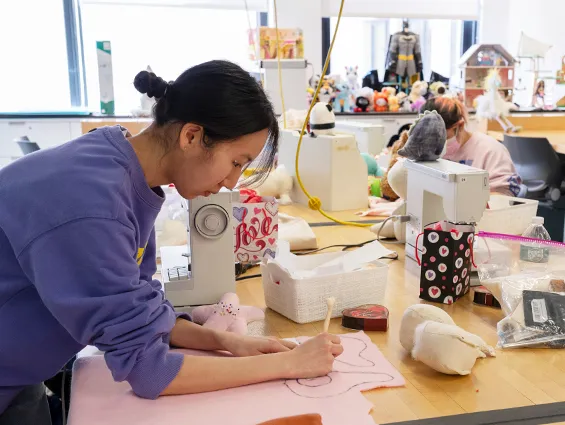
Compliance is mandatory for market access. Important points include:
- Understanding regulations in target markets (e.g., CE for EU, ASTM for USA).
- Using certified materials free from harmful substances.
- Conducting third-party testing for flammability, choking hazards, and chemical safety.
- Maintaining documentation for customs and retailer audits.
- Staying updated on evolving safety laws.
Meeting these ensures consumer trust and legal clearance.
Navigating safety involves knowing standards, using certified materials, testing, and maintaining proper documentation.
European CE marking and US ASTM F963 set strict guidelines covering toxicology, mechanical safety, and flammability.
Materials must be tested for lead, phthalates, and other banned chemicals.
Testing labs provide certificates required for customs and retailers.
Documentation helps trace materials and production steps.
Laws evolve, so manufacturers must monitor updates and adjust processes.
Failure to comply can lead to recalls, fines, or bans, damaging brand reputation.
| Compliance Aspect | Requirement | Impact |
|---|---|---|
| Regional Standards | CE, ASTM, EN71 | Legal market access |
| Material Certification | Non-toxic fabrics | Consumer safety |
| Testing Protocols | Flammability, choking tests | Product reliability |
| Documentation | Certificates and reports | Customs clearance |
| Regulatory Updates | Ongoing compliance | Avoid legal issues |
5. What Are Effective Marketing And Distribution Strategies For Plush Toy Brands?
Building market presence needs:
- Digital marketing via social media and e-commerce.
- Influencer collaborations and viral campaigns.
- Participation in trade shows and industry events.
- Multi-channel distribution: retail, online, wholesale.
- Branding emphasizing safety, uniqueness, and sustainability.
- Customer engagement with reviews and loyalty programs.
These maximize reach and sales.
Effective marketing blends digital presence, partnerships, multi-channel sales, and strong brand messaging.
Social media platforms like Instagram and TikTok showcase product appeal visually and interactively.
Influencers help tap niche markets with authentic recommendations.
Trade shows connect brands with buyers and media for exposure.
E-commerce enables direct sales and customer data collection.
Retail partnerships broaden physical reach.
Brand stories focusing on safety and eco-values resonate with modern buyers.
Customer feedback loops foster trust and repeat sales.
| Marketing Channel | Purpose | Outcome |
|---|---|---|
| Social Media | Visual storytelling | Engagement, awareness |
| Influencer Marketing | Authentic endorsements | Niche market access |
| Trade Shows | Industry networking | New partnerships |
| E-commerce | Direct sales | Customer insights |
| Retail Partnerships | Physical presence | Broader market reach |
| Brand Messaging | Values communication | Customer loyalty |
6. How To Manage Production, Inventory, And Scaling Challenges In Plush Toy Business?
Efficient management includes:
- Forecasting demand with market data.
- Balancing inventory levels to avoid stockouts or excess.
- Implementing ERP or inventory software.
- Scaling production gradually to maintain quality.
- Building contingency plans for supply disruptions.
- Hiring skilled staff and training continuously.
- Regular communication between sales, production, and logistics.
Proper management supports growth and profitability.
Successful scaling relies on demand forecasting, inventory control, quality maintenance, and team coordination.
Accurate sales forecasting prevents lost sales or overstocking.
Inventory software tracks stock in real time, supporting reorder decisions.
Gradual scale-up keeps product quality consistent while expanding capacity.
Contingency plans mitigate risks like material shortages or shipping delays.
Training ensures workforce adapts to changing production needs.
Cross-departmental communication ensures alignment on priorities.
These practices reduce costs and improve customer satisfaction.
| Management Area | Strategy | Benefit |
|---|---|---|
| Demand Forecasting | Analyze trends and orders | Avoid stock issues |
| Inventory Control | Use software tools | Optimize stock levels |
| Scaling Production | Increase output gradually | Maintain quality |
| Contingency Planning | Prepare backup plans | Minimize disruptions |
| Staff Training | Continuous skill development | Flexible workforce |
| Communication | Cross-team coordination | Efficient operations |
Starting a plush toy business requires market insight, design creativity, sourcing quality, compliance, marketing, and efficient management.
For expert guidance, contact Amanda at [[email protected]] or visit [https://plushtoyinchina.com].