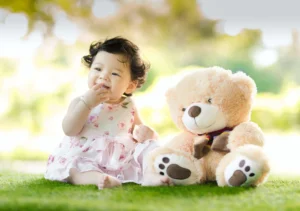


Soft toys are beloved worldwide, cherished for their comfort and charm. Understanding what materials go into making soft toys helps ensure quality, safety, and a delightful experience for end users.
Soft toys are made from a variety of fabrics like plush, cotton, and fleece, combined with stuffing materials such as polyester fiberfill or natural fibers. Each material influences the toy’s softness, durability, and safety. Choosing the right components is vital for producing high-quality soft toys that meet safety standards and customer expectations.
Let’s explore the key materials that form the foundation of soft toy production.
1. What Types Of Fabrics Are Commonly Used In Soft Toy Production?
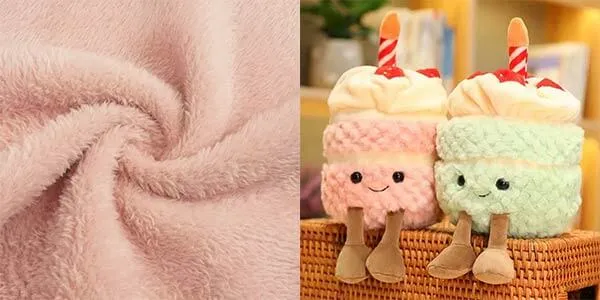
Soft toy fabrics directly affect the feel, appearance, and safety of the final product. The most popular fabrics include:
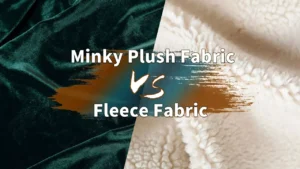
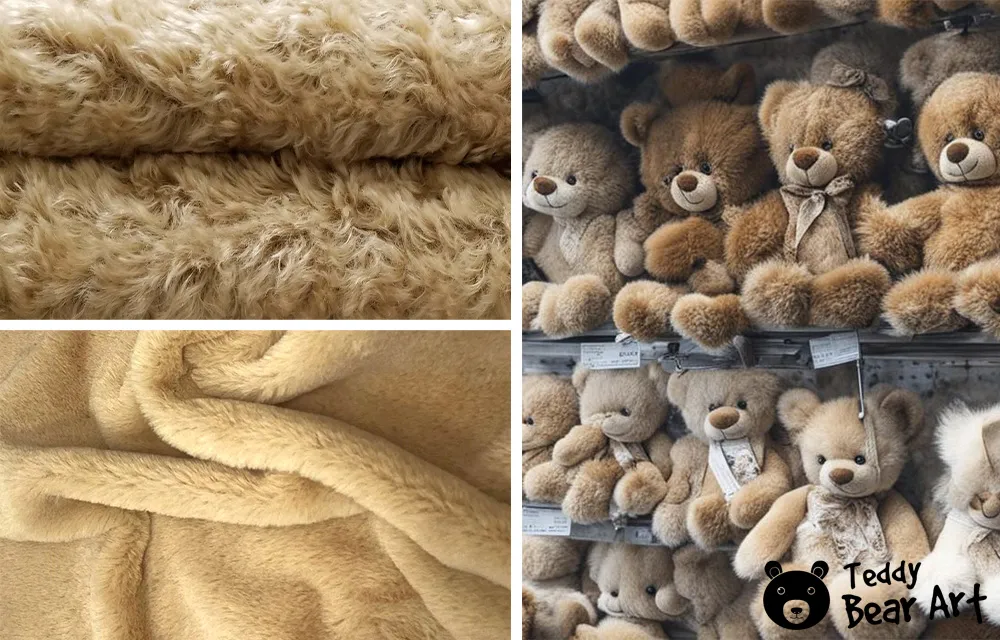
- Plush Fabric: This is the most common choice for soft toys. It is a soft, fuzzy fabric that gives toys a cuddly feel. Variants include minky, velboa, and faux fur.
- Cotton: Used especially for organic or eco-friendly toys, cotton is soft and breathable but less durable than synthetic options.
- Fleece: Known for its warmth and softness, fleece is often used for smaller toys or accents on plush toys.
- Velour: A smooth fabric with a velvety texture, velour adds a luxurious touch to soft toys.
- Knitted Fabrics: Some soft toys feature knitted textiles for a unique look and feel.
Common fabrics in soft toys include plush variants like minky and velboa, cotton for eco-friendly options, fleece for softness, and velour for a luxurious texture.
| Fabric Type | Softness | Durability | Best Use | Notes |
|---|---|---|---|---|
| Plush | Very Soft | Moderate | Most soft toys | Includes minky, velboa |
| Cotton | Soft | Low | Organic, baby toys | Natural, breathable |
| Fleece | Soft | Moderate | Small toys, accents | Warm and plush |
| Velour | Smooth, soft | Moderate | Luxury plush toys | Velvety texture |
| Knitted | Variable | Low-Moderate | Specialty designs | Unique aesthetics |
Fabric choice impacts not only the look and feel but also cost and safety compliance.
2. How Do Different Stuffing Materials Affect Soft Toy Quality And Safety?
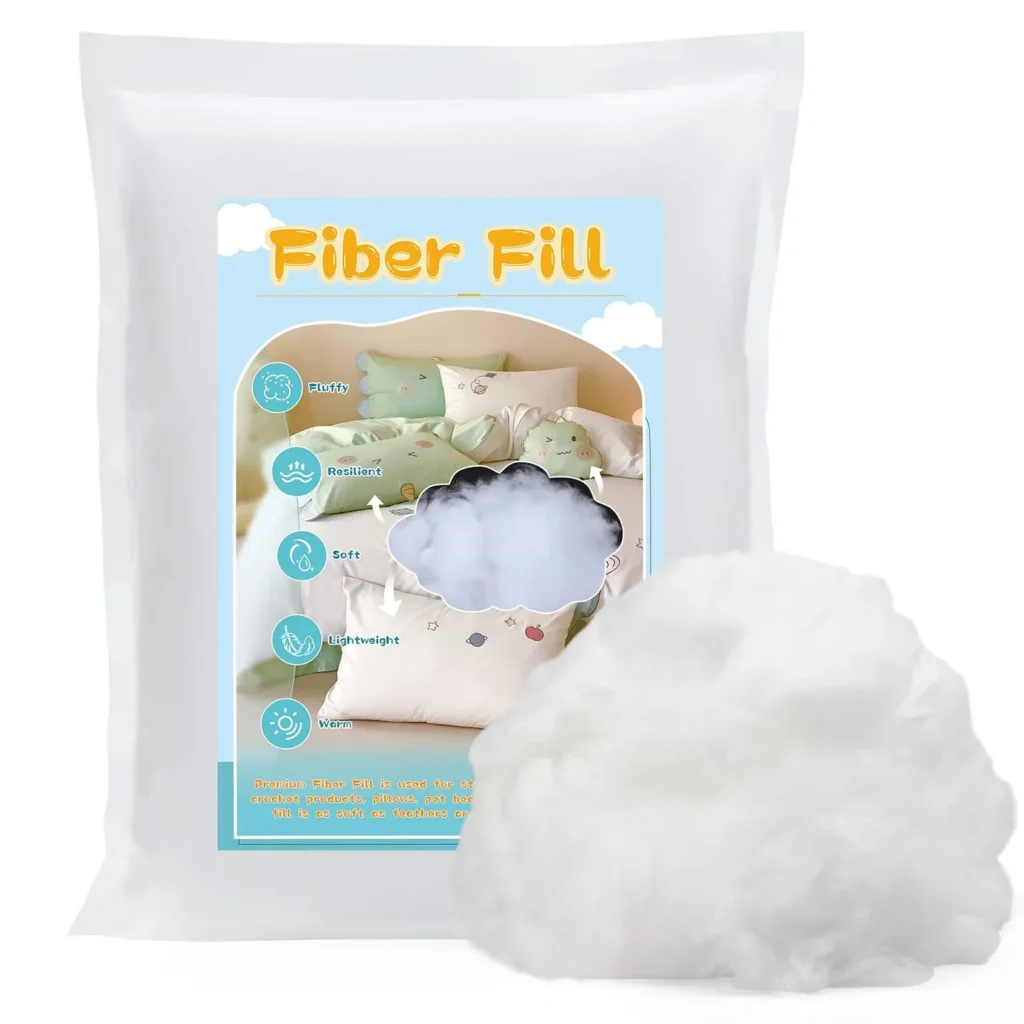
The stuffing inside a soft toy defines its shape, feel, and longevity. Common stuffing materials include:
- Polyester Fiberfill: Soft, lightweight, and hypoallergenic, making it a top choice for many manufacturers.
- Cotton: Natural and breathable but less resilient, cotton stuffing can compress over time.
- Wool: Durable and eco-friendly, wool adds firmness but is less common due to cost.
- Beads or Pellets: Sometimes used to add weight or texture, often made of plastic or glass beads enclosed in pouches.
Stuffing safety is paramount, requiring non-toxic, flame-retardant, and hypoallergenic materials, especially for children’s toys.
Polyester fiberfill offers softness and safety, cotton provides natural breathability, wool adds durability, while beads enhance texture and weight.
| Stuffing Type | Softness | Durability | Safety Features | Typical Use |
|---|---|---|---|---|
| Polyester Fiberfill | High | Moderate | Hypoallergenic, non-toxic | Most soft toys |
| Cotton | Medium | Low | Natural, breathable | Eco-friendly toys |
| Wool | Firm | High | Natural fiber | Premium toys |
| Beads/Pellets | Variable | High | Enclosed for safety | Weighted or textured toys |
The right stuffing material enhances the toy’s comfort and safety for users.
3. What Are The Key Components In The Construction Of Soft Toys?
Soft toys are not just fabric and stuffing; several other components contribute to their quality and safety:
- Thread and Stitching: Durable thread and tight stitching are vital to withstand play and washing.
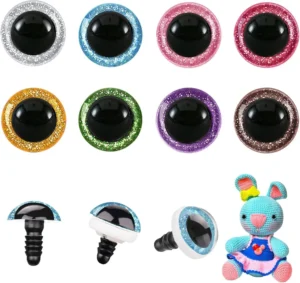
- Safety Eyes and Noses: Often made from plastic or embroidered to prevent choking hazards.
- Seams and Reinforcements: Critical for holding the toy’s shape and ensuring longevity.
- Labels and Tags: Include safety information and branding.
The quality of these components impacts the toy’s overall durability and compliance with safety standards.
Strong stitching, safe eyes and noses, reinforced seams, and informative labels are key components in durable, safe soft toys.
| Component | Function | Safety Considerations | Best Practice |
|---|---|---|---|
| Thread and Stitching | Holds toy parts together | Strong, non-toxic threads | Double stitching for durability |
| Safety Eyes/Noses | Facial features | Secure attachment or embroidery | Avoid small parts for kids |
| Seams/Reinforcements | Shape and durability | Reinforced at stress points | Use durable fabric and thread |
| Labels and Tags | Information and branding | Non-irritating, clear info | Use soft, safe materials |
Every detail counts towards producing a safe and lasting soft toy.
4. How Do Safety Standards Influence Material Selection For Soft Toys?
Safety regulations guide manufacturers on which materials are suitable for soft toys, especially for children:
- ASTM F963 (USA): Covers mechanical, physical, and chemical safety.
- EN71 (Europe): European standard for toy safety.
- CPSIA: Limits lead, phthalates, and other harmful substances.
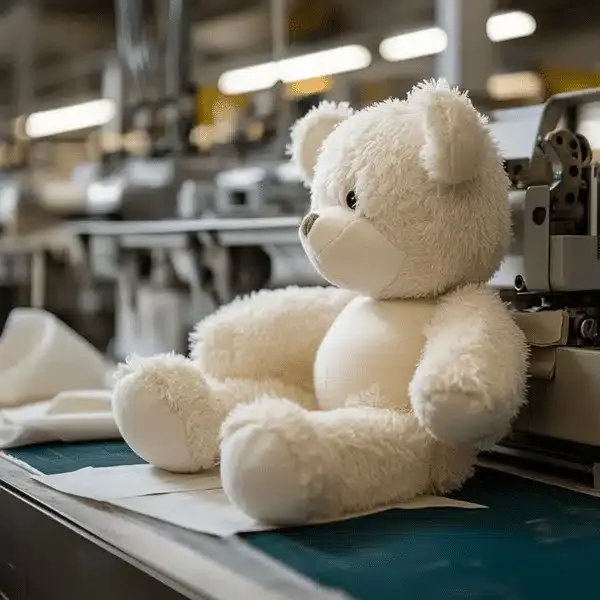
Materials must be tested for flammability, toxicity, and choking hazards. This affects fabric and stuffing choices, often favoring hypoallergenic and flame-retardant materials.
Safety standards like ASTM F963 and EN71 regulate materials to ensure toys are non-toxic, flame-retardant, and safe for children.
| Standard | Region | Key Focus | Impact on Materials |
|---|---|---|---|
| ASTM F963 | USA | Physical, chemical safety | Requires tested, safe fabrics |
| EN71 | Europe | Mechanical, chemical safety | Regulates flame-retardant use |
| CPSIA | USA | Lead, phthalate limits | Restricts toxic chemical use |
Compliance with these standards protects users and builds consumer trust.
5. What Role Do Eco-Friendly Materials Play In Modern Soft Toy Manufacturing?
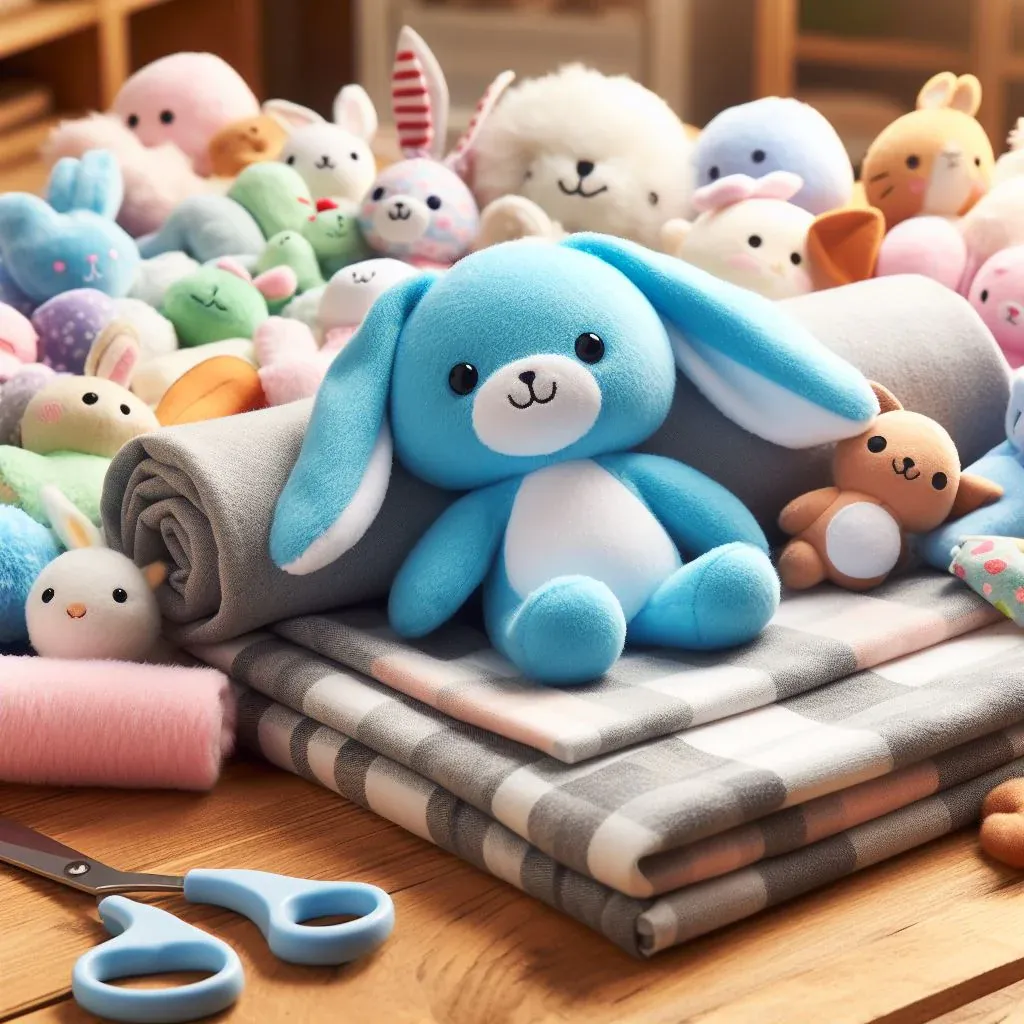
Sustainability is increasingly important in toy manufacturing. Eco-friendly materials include:
- Organic Cotton: Grown without pesticides, gentle on the environment.
- Recycled Polyester: Made from recycled plastic bottles, reduces waste.
- Bamboo Fabric: Soft and sustainable alternative.
- Natural Dyes: Safer and less polluting than synthetic dyes.
These materials appeal to eco-conscious consumers and align with global trends toward sustainability.
Eco-friendly materials like organic cotton, recycled polyester, and bamboo fabric help reduce environmental impact and appeal to green consumers.
| Material | Environmental Benefit | Use in Soft Toys | Consumer Appeal |
|---|---|---|---|
| Organic Cotton | Chemical-free, biodegradable | Baby and eco-friendly toys | High for green buyers |
| Recycled Polyester | Reduces plastic waste | Standard plush toys | Growing interest |
| Bamboo Fabric | Renewable, biodegradable | Premium soft toys | Increasing demand |
| Natural Dyes | Low toxicity | All fabric types | Preferred for safety |
Incorporating eco-friendly materials supports sustainability and market differentiation.
6. How Can Material Choices Be Customized To Meet Client And Market Demands?
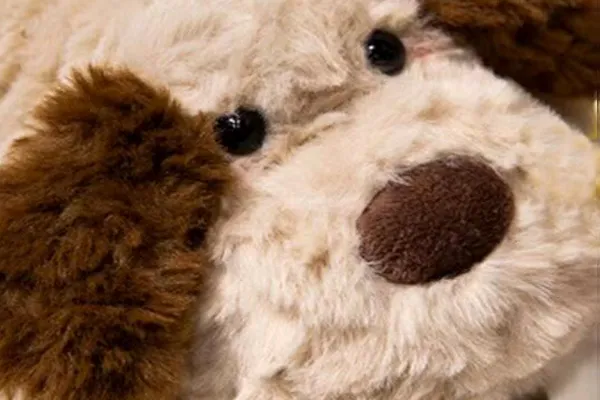
Customization allows manufacturers to meet unique client and market needs by:
- Selecting Specific Fabrics: Matching softness, durability, or look per customer.
- Adjusting Stuffing Density: Offering plush or firm feel.
- Adding Features: Such as embroidered details or special textures.
- Sourcing Eco-Friendly Options: For green brand positioning.
Customized materials enhance product appeal and satisfy diverse customer requirements.
Manufacturers customize fabric types, stuffing density, and eco-friendly materials to meet specific client needs and market trends.
| Customization Aspect | Options | Benefits | Typical Client Demand |
|---|---|---|---|
| Fabric Selection | Plush, cotton, velour, fleece | Tailored softness and look | Brand differentiation |
| Stuffing Density | Soft, medium, firm | Desired feel and shape retention | Customer preference |
| Eco-Friendly Choice | Organic, recycled fabrics | Sustainability positioning | Green consumer appeal |
| Feature Add-ons | Embroidery, texture accents | Unique, branded appearance | Marketing and gift markets |
Customization strengthens brand identity and boosts consumer satisfaction.
Choosing the right materials is key to producing soft toys that delight consumers while meeting safety and sustainability goals.
For expert guidance and quality plush toy manufacturing, contact Amanda at [[email protected]] or visit [https://plushtoyinchina.com].