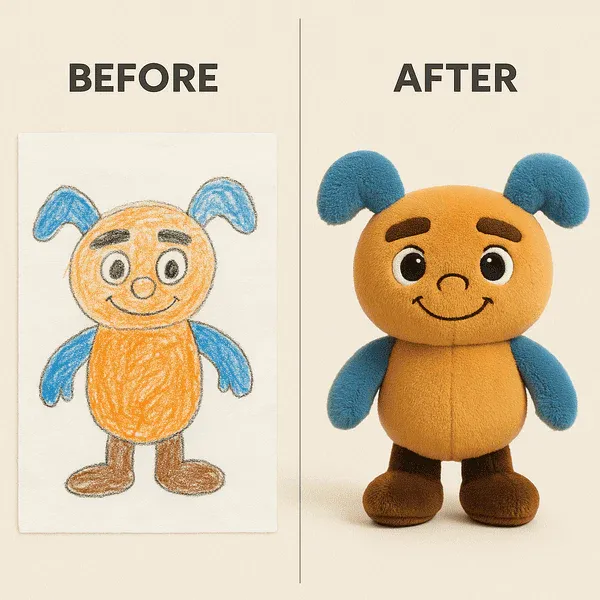
Creating a custom stuffed animal from a picture is a unique and exciting way to bring personalized designs to life. Whether for personal use or business, understanding the steps and requirements can help achieve the best result.
Custom stuffed animals made from pictures involve transforming an image into a 3D model, selecting the right materials, and ensuring safety compliance. The process includes designing the plush toy, choosing fabrics, and adding unique features like embroidery or accessories. Brands also use these toys for promotional purposes, boosting consumer engagement.
Let’s break down the process of creating custom stuffed animals from pictures, from design to production
1. What Are The Key Steps In Creating A Custom Stuffed Animal From A Picture?
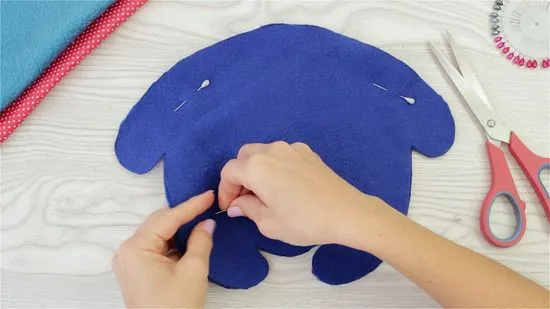
Turning a picture into a custom stuffed animal is a multi-step process that involves creativity, precision, and careful planning. The process typically includes the following steps:
- Consultation and Design Concept: The process begins by discussing the customer’s idea, whether it’s a personal pet, a company mascot, or a character. Designers use the provided image to understand the toy’s features.
- 3D Modeling: Using advanced design software, the image is turned into a 3D model to visualize the dimensions, proportions, and features of the stuffed animal.
- Prototype Creation: Once the design is finalized, a prototype is made to review how the toy will look and feel. Adjustments are made to perfect the design before mass production.
- Material Selection and Production: After finalizing the prototype, suitable materials are chosen, and the stuffed animal is produced, ensuring it aligns with quality standards.
Creating a custom stuffed animal involves consultation, 3D modeling, prototype creation, and material selection, ensuring that the final product matches the original design.
| Step | Description | Importance |
|---|---|---|
| Consultation and Design | Understanding customer needs and defining features | Ensures personalized designs |
| 3D Modeling | Converting images into a 3D version | Visualizes the final product |
| Prototype Creation | Building a sample to evaluate design and adjustments | Verifies proportions and details |
| Material Selection | Choosing fabrics, stuffing, and accessories | Affects durability, softness |
This structured process ensures that every custom stuffed animal meets the desired specifications.
2. How Do Designers Convert Photos Into 3D Models For Custom Plush Toys?
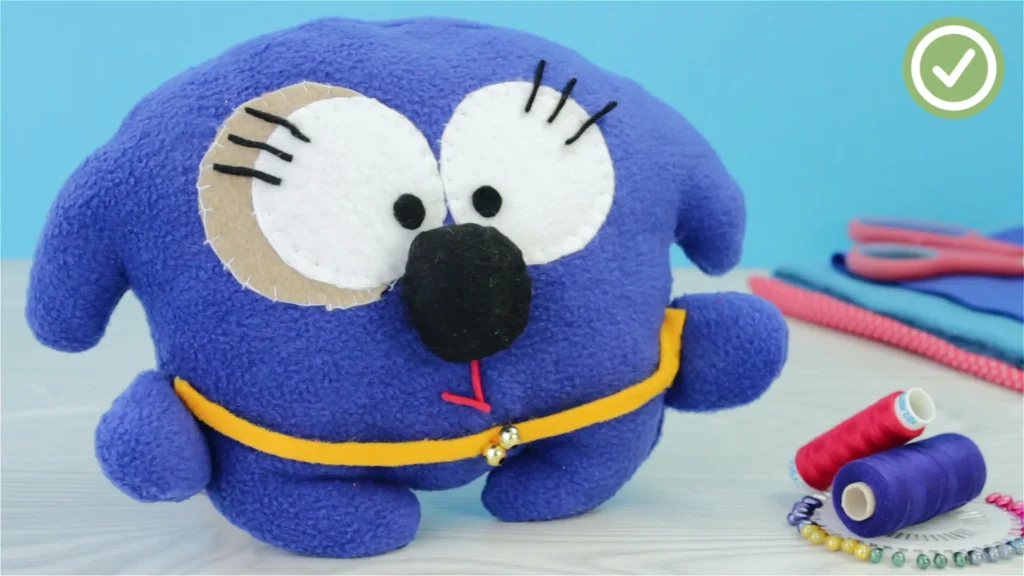
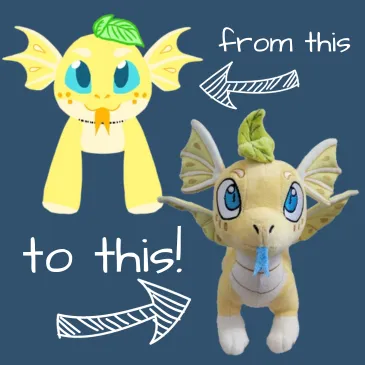
Designing custom plush toys from photos involves transforming 2D images into 3D models that represent the toy’s true size and shape. Here’s how designers approach this:
- Image Analysis: The first step involves analyzing the provided photo to extract key features, including shape, colors, texture, and any unique characteristics.
- Sketching: Designers sketch a 2D blueprint based on the photo, marking out proportions and placements for features such as eyes, limbs, and accessories.
- 3D Software: The design is then brought to life in 3D design software. Tools like CAD (Computer-Aided Design) help create a model that allows designers to manipulate and fine-tune dimensions and details.
- Virtual Testing: The 3D model is tested virtually to ensure all aspects of the design are functional, such as limb movement, size proportions, and visual appeal.
- Final Adjustments: After virtual testing, designers may tweak the model to perfect details like facial expressions or color accuracy.
Designers convert photos into 3D models by analyzing the image, sketching, and using CAD software to create and test virtual prototypes.
| Process | Tool/Technique | Key Benefit |
|---|---|---|
| Image Analysis | Examining the provided photo | Identifying key features |
| Sketching | Hand-drawn or digital sketches | Drafting design elements |
| 3D Software | CAD, 3D modeling software | Creating and refining model |
| Virtual Testing | Simulation tools | Verifying functionality and fit |
| Final Adjustments | Editing in software | Enhancing visual accuracy |
The use of 3D modeling software ensures an accurate transition from photo to prototype.
3. What Materials Are Best Suited For Custom Stuffed Animals?
Choosing the right materials is crucial for making custom stuffed animals that are safe, soft, and durable. Some common materials used in the production of custom plush toys include:
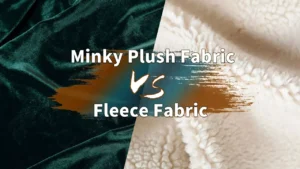
- Plush Fabric: This soft, velvety fabric is often used for the outer covering of stuffed animals. It is available in various textures and colors and provides a comforting feel.
- Cotton and Organic Fabrics: For eco-friendly options, organic cotton or other sustainable fabrics are used. These are natural, breathable, and often hypoallergenic.
- Polyester Fiberfill: This is the most common filling material used in stuffed animals. It is lightweight, non-toxic, and retains shape well after multiple washes.
- Foam Inserts and Plastic Pellets: Used for structure and added weight, these materials help maintain the toy’s shape and make it more engaging.
- Recycled Materials: As sustainability becomes more important, recycled polyester or even recycled fabric options are used for stuffing, making these toys more eco-friendly.
The best materials for custom stuffed animals include plush fabrics, polyester fiberfill, organic cotton, and eco-friendly options like recycled materials.
| Material | Use Case | Key Benefits |
|---|---|---|
| Plush Fabric | Outer covering | Soft, cuddly, and versatile |
| Cotton and Organic Fabrics | Eco-friendly options | Natural, breathable, hypoallergenic |
| Polyester Fiberfill | Stuffing | Lightweight, shape-retaining |
| Foam Inserts | Structure and firmness | Adds support, weight |
| Recycled Materials | Sustainable stuffing | Eco-friendly and durable |
The right combination of these materials ensures that the toy is both safe and appealing.
4. How Can Customization Options (Size, Features, Fabrics) Be Tailored To Client Needs?
Customization options play a vital role in meeting the specific demands of clients, whether for personal use, branding, or promotional campaigns. Here’s how manufacturers can customize stuffed animals:
- Size Variations: Depending on the purpose, custom stuffed animals can be created in various sizes, from small keychains to large plushies for display or cuddling.
- Feature Customization: Clients can choose unique features such as embroidered logos, personalized outfits, or even sound modules for interactive toys.
- Fabric Choices: Clients may select different fabrics for the outer covering, such as velvet for luxury feel or denim for a more rugged look. Organic or sustainable fabrics may also be chosen for eco-conscious customers.
- Accessories and Details: Additional items like hats, glasses, or scarves can be added, making the stuffed toy unique and aligned with the client’s brand or purpose.
Customization options like size, features, fabrics, and accessories help tailor stuffed animals to meet clients’ specific preferences for personal or promotional use.
| Custom Feature | Options Available | Benefits |
|---|---|---|
| Size | Small, medium, large | Fits various needs and uses |
| Features | Embroidered logos, sound, etc. | Personalized appeal |
| Fabrics | Velvet, cotton, organic | Custom texture and feel |
| Accessories | Hats, glasses, scarves | Unique and branded appearance |
Customization allows manufacturers to meet diverse client needs and preferences.
5. What Safety Standards And Certifications Apply To Custom Stuffed Animals?
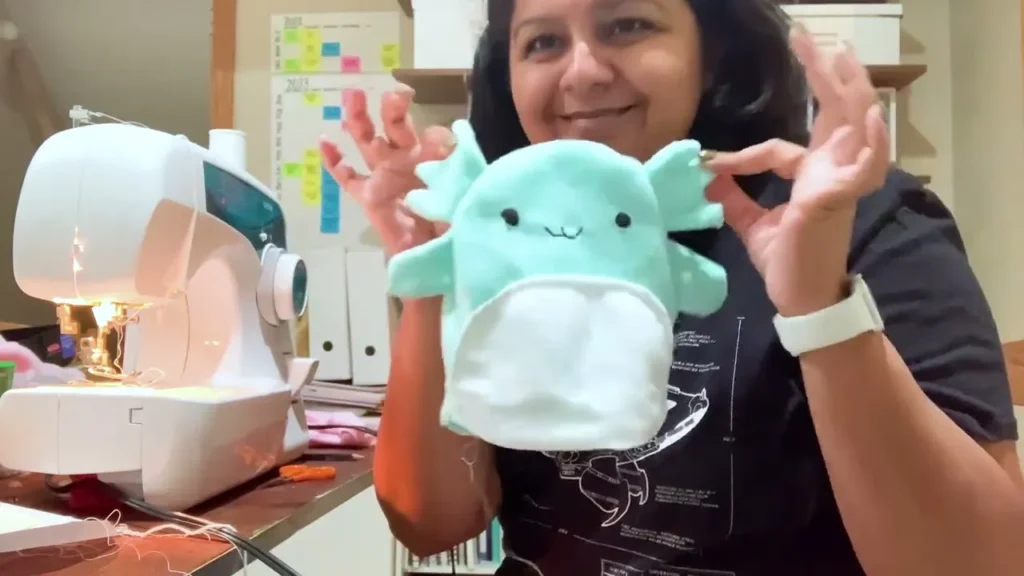
Safety is paramount in the production of custom stuffed animals. Several certifications and safety standards ensure that these toys are safe for children:
- CPSIA (Consumer Product Safety Improvement Act): In the U.S., stuffed toys must comply with CPSIA, which limits hazardous substances like lead and phthalates.
- EN71 (European Toy Safety Standard): In Europe, toys must meet EN71, which tests for choking hazards, flammability, and overall safety.
- ASTM F963: A U.S. standard for toy safety, ensuring the toy doesn’t contain hazardous materials and has no sharp edges or removable parts that could pose choking risks.
- OEKO-TEX Certification: Ensures that materials used are free from harmful chemicals, often required for products intended for babies and young children.
Stuffed animals must meet various safety standards, including CPSIA, EN71, ASTM F963, and OEKO-TEX, to ensure they are safe for children and free from harmful substances.
| Safety Standard | Region | Focus Areas |
|---|---|---|
| CPSIA | USA | Lead, phthalates, general safety |
| EN71 | Europe | Choking hazards, flammability |
| ASTM F963 | USA | Toxicity, small parts, durability |
| OEKO-TEX | Global | Harmful chemical testing |
Meeting these standards is essential to ensure the safety and trustworthiness of stuffed toys.
6. How Can Custom Stuffed Animals Be Used For Branding And Promotional Purposes?
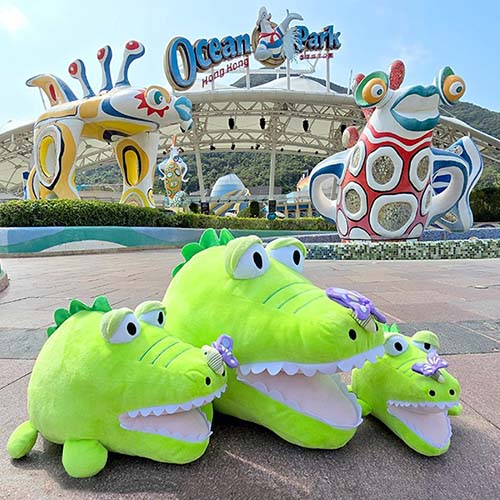
Custom stuffed animals are an effective marketing tool for brands, offering a unique way to connect with consumers. Here’s how they can be used for branding and promotions:
- Branded Mascots: Many companies use custom stuffed animals as mascots or representations of their brand, giving them away as promotional items or gifts at events.
- Corporate Gifting: Custom plush toys can be given to clients or employees, creating a positive impression and fostering brand loyalty.
- Limited Edition Toys: Brands can produce exclusive, limited-edition stuffed animals tied to a marketing campaign or event, driving consumer interest and exclusivity.
- Retail Promotion: Stuffed animals can be sold as part of a product line, with branding integrated into the toy’s design, such as embroidered logos or custom outfits.
Custom stuffed animals are powerful branding tools, used for mascots, corporate gifts, limited editions, and retail promotions to create emotional connections with customers.
| Promotional Use | Application | Impact |
|---|---|---|
| Branded Mascots | Mascots, event giveaways | Builds brand recognition |
| Corporate Gifting | Gifts for clients/employees | Fosters loyalty and goodwill |
| Limited Edition Toys | Event or campaign exclusives | Drives excitement and scarcity |
| Retail Promotion | Product line integration | Increases product visibility |
Custom toys are powerful marketing tools that boost brand presence and customer engagement.
Custom stuffed animals are not only great for personal enjoyment but also serve as valuable tools for businesses. Their design, materials, and safety standards must meet high quality, ensuring they are safe and functional while offering endless branding opportunities.
For expert custom stuffed animal manufacturing, contact Amanda at [[email protected]] or visit [https://plushtoyinchina.com].